In the Forest of Grief I Grew Into a Shrub of Gold/ Delaine Le Bas
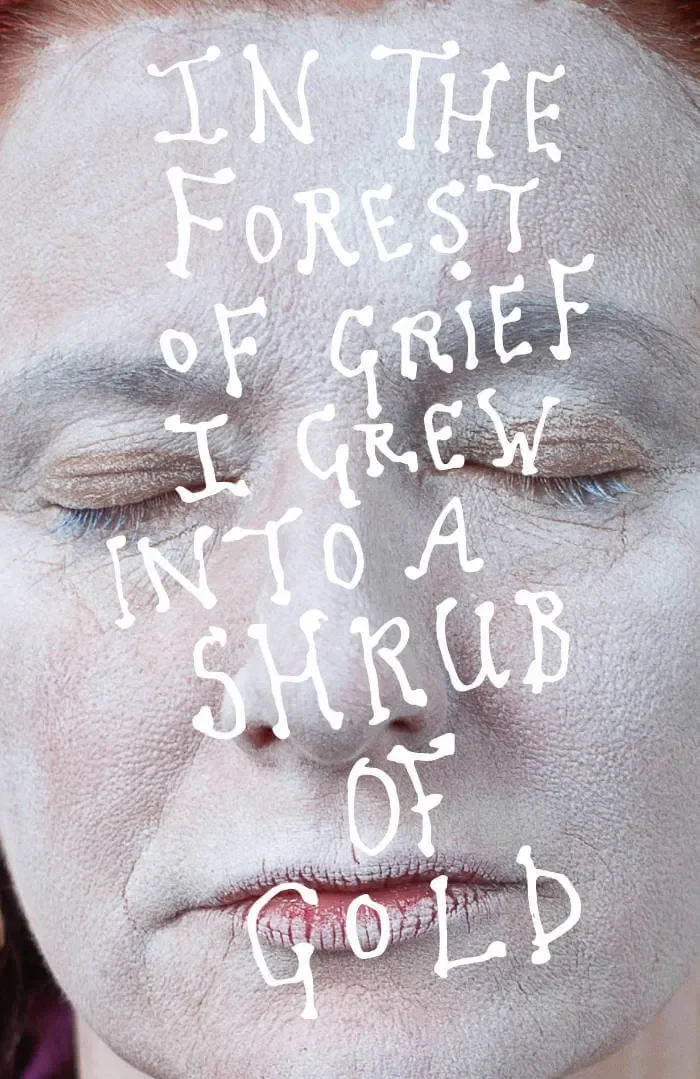
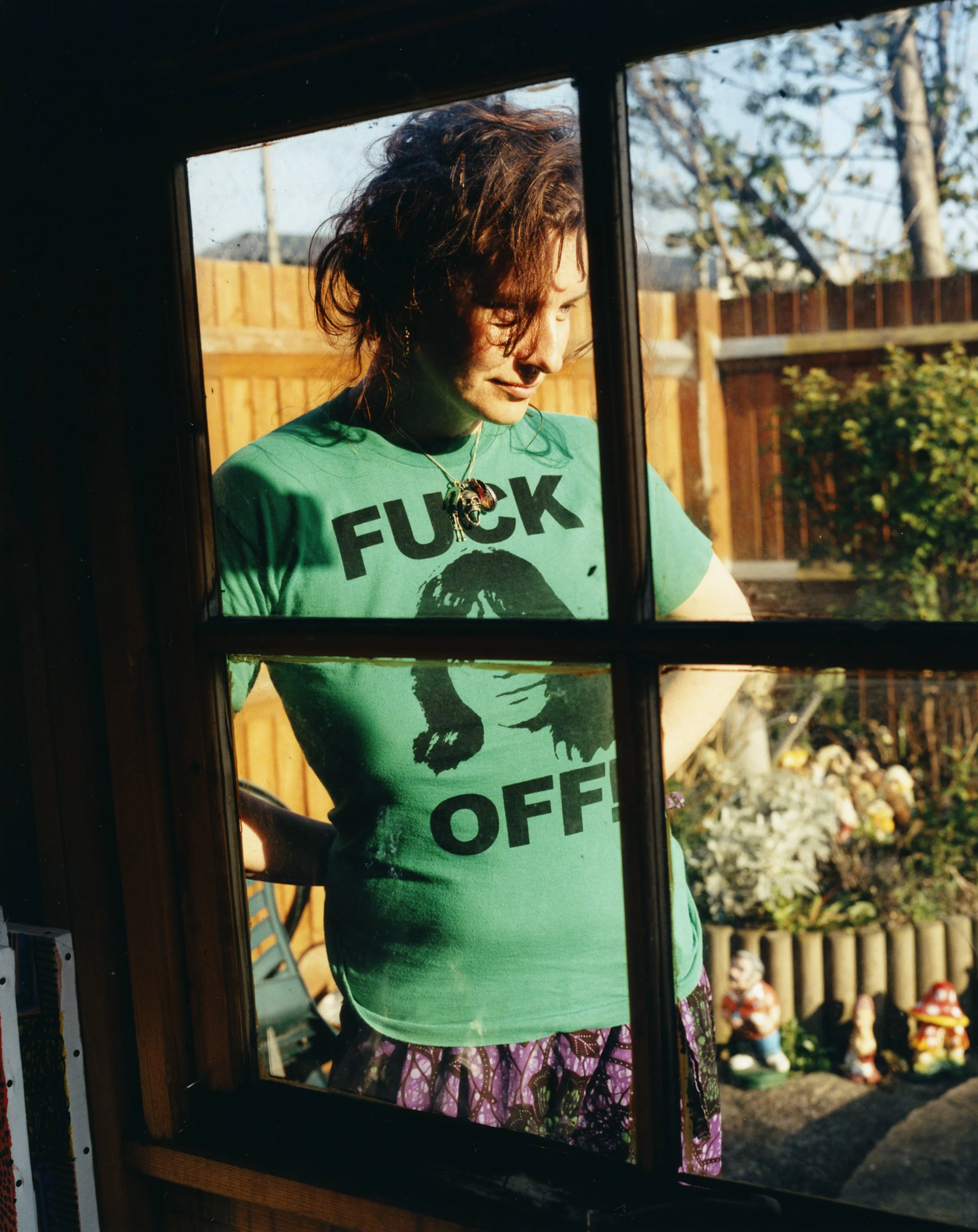
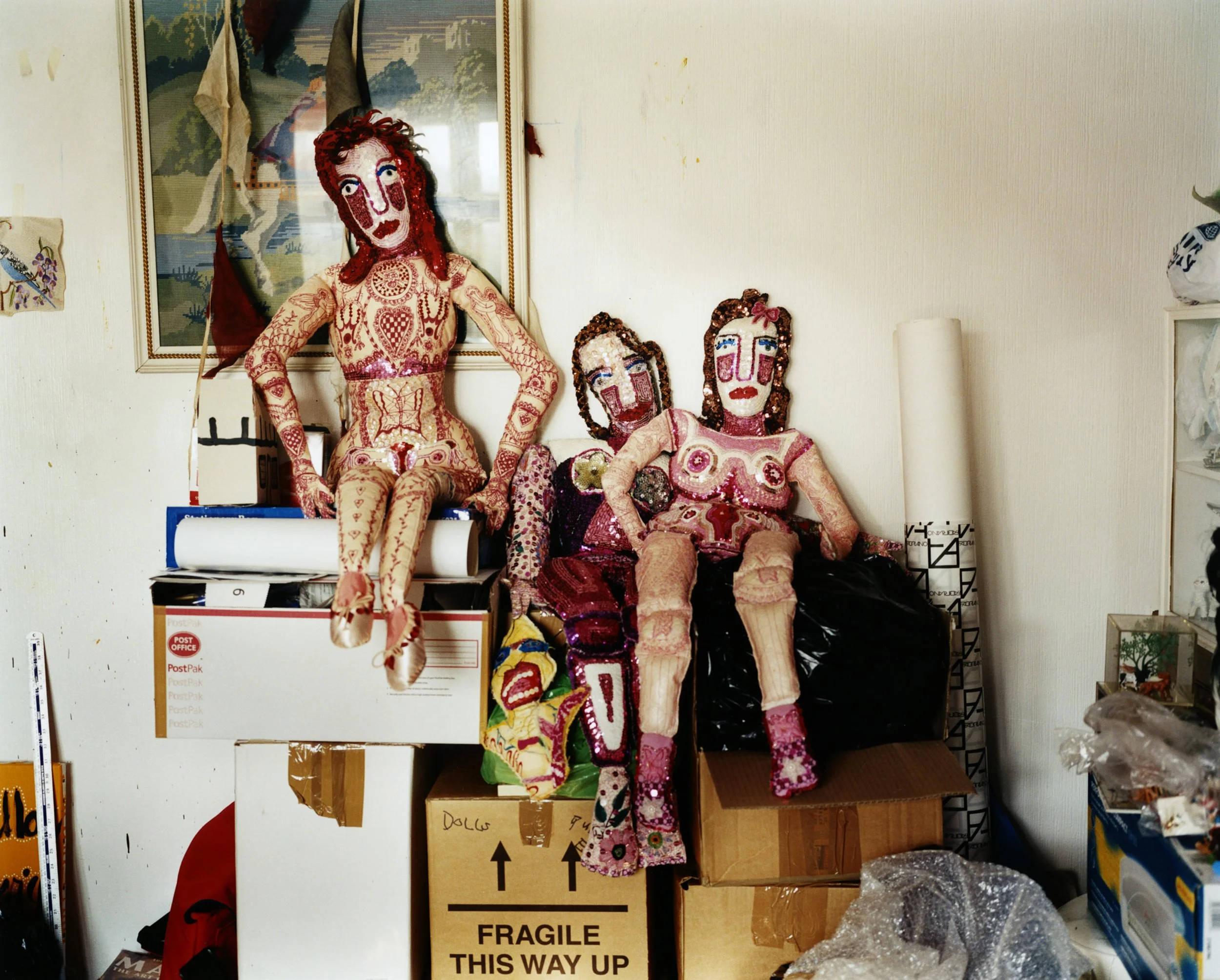
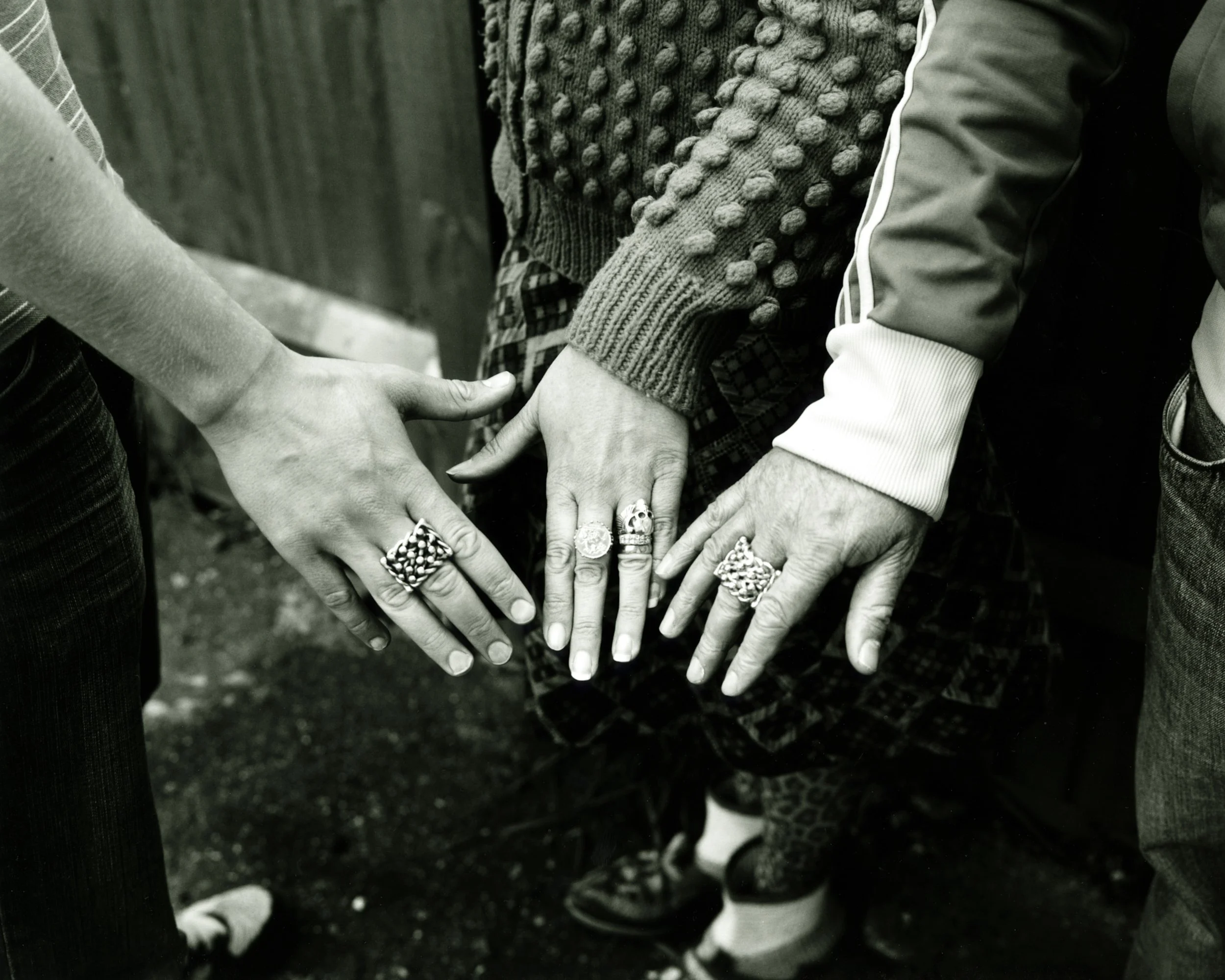
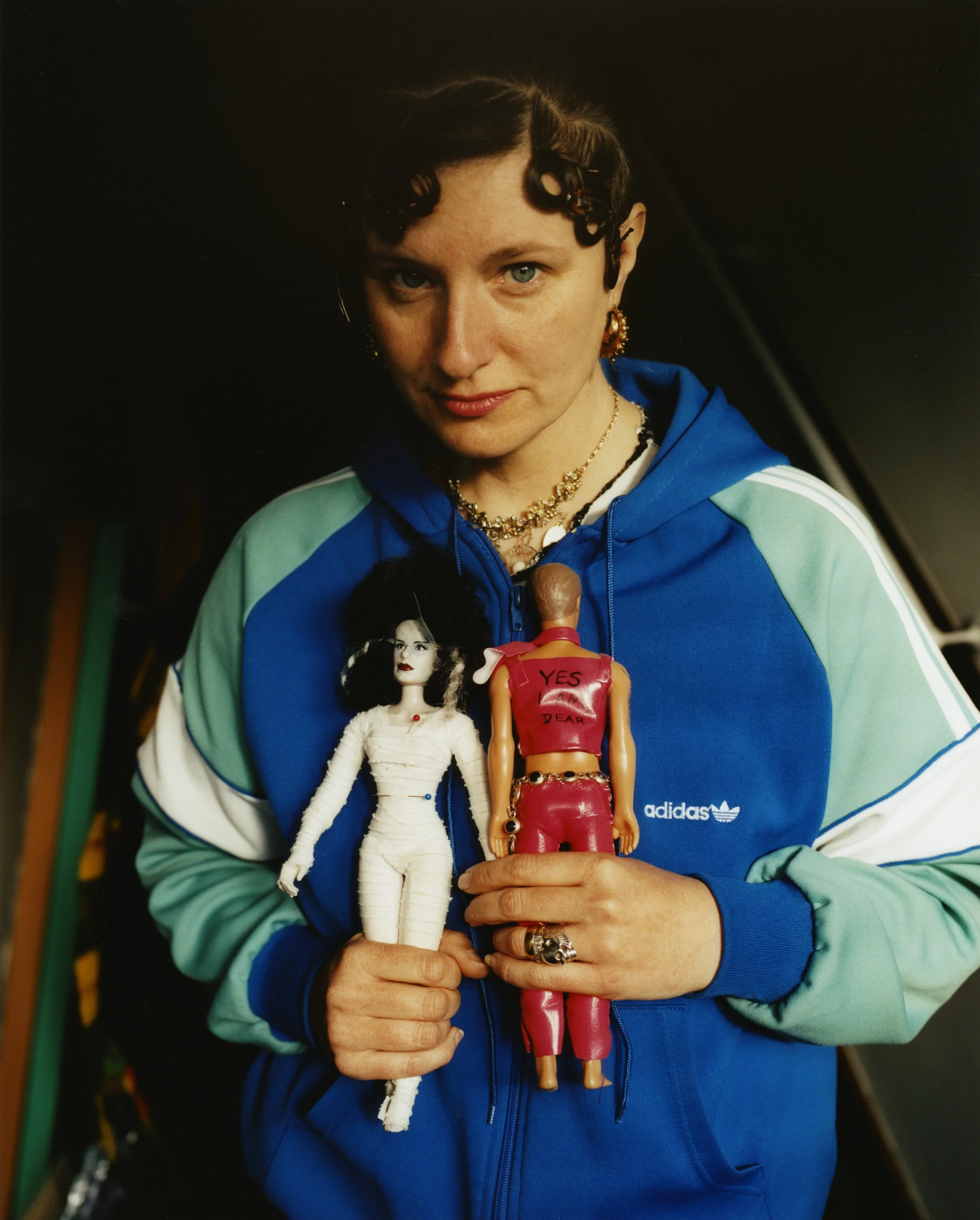
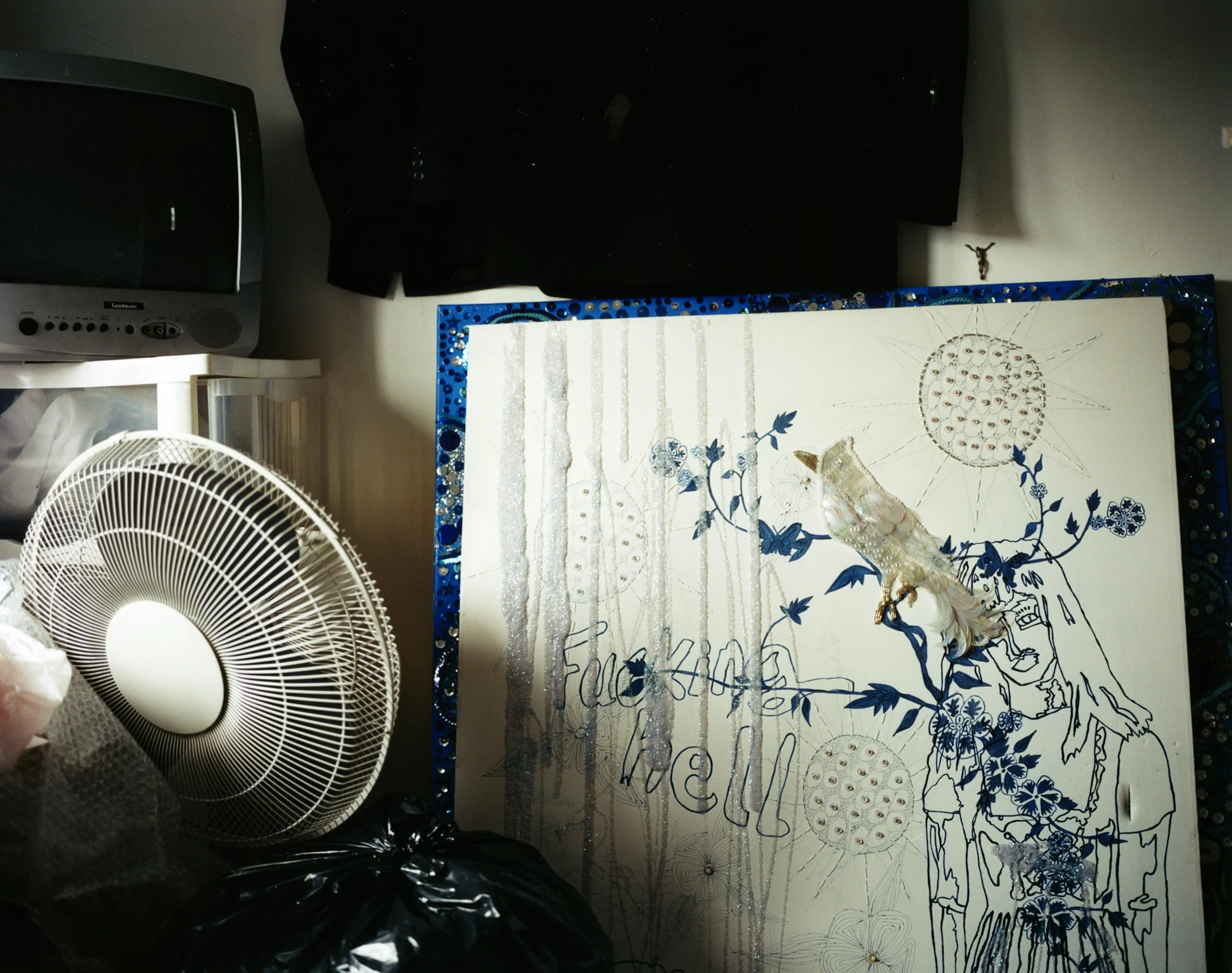
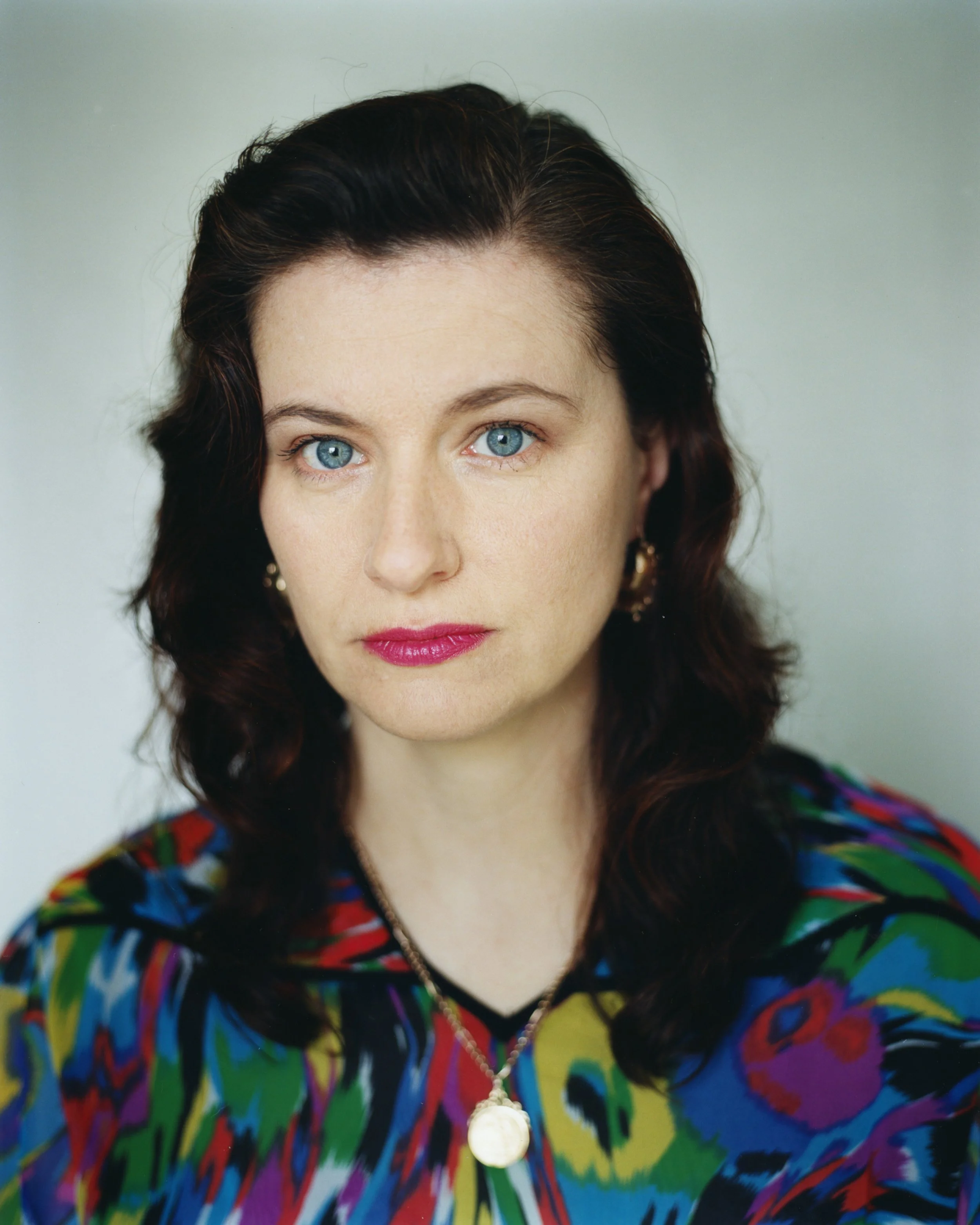
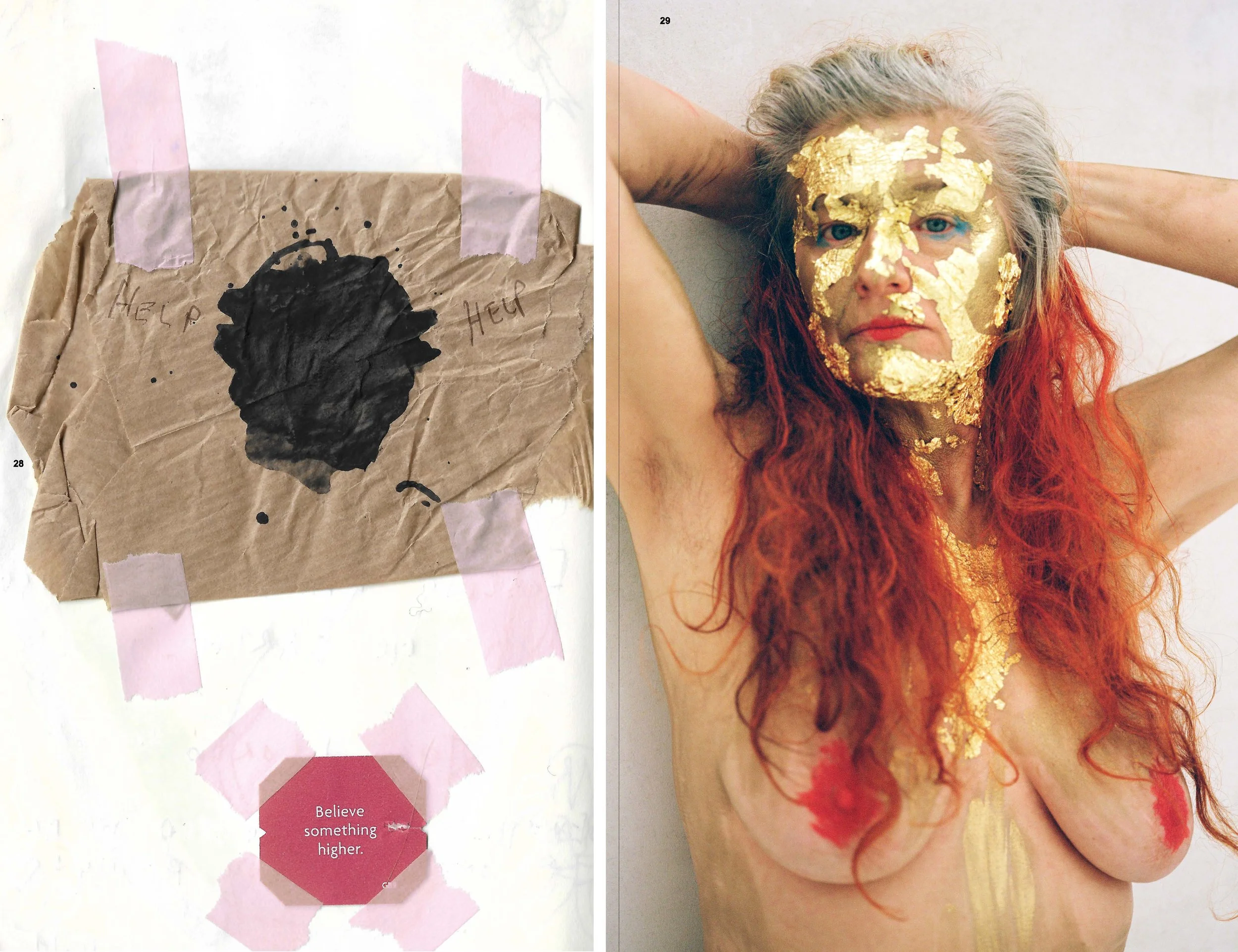
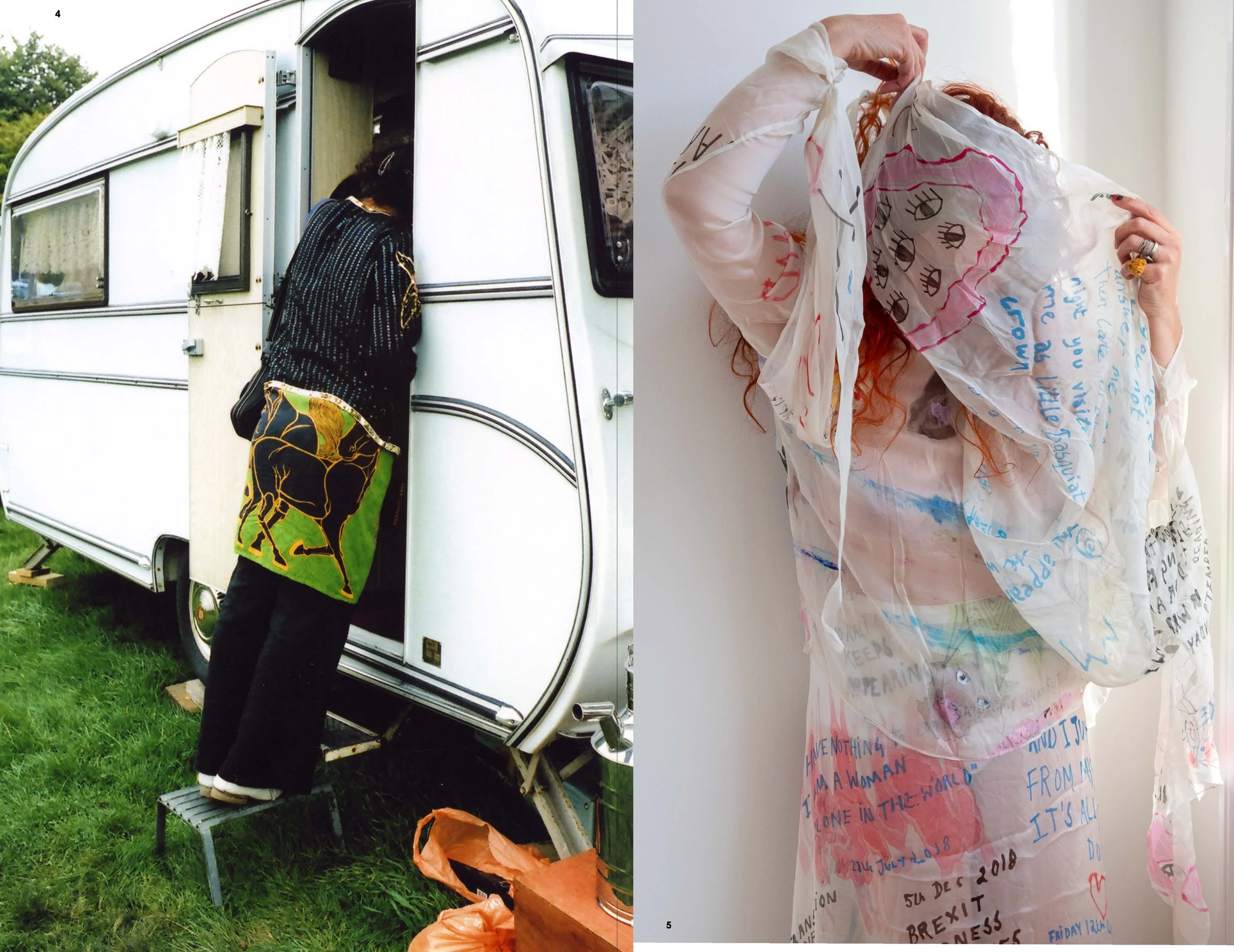
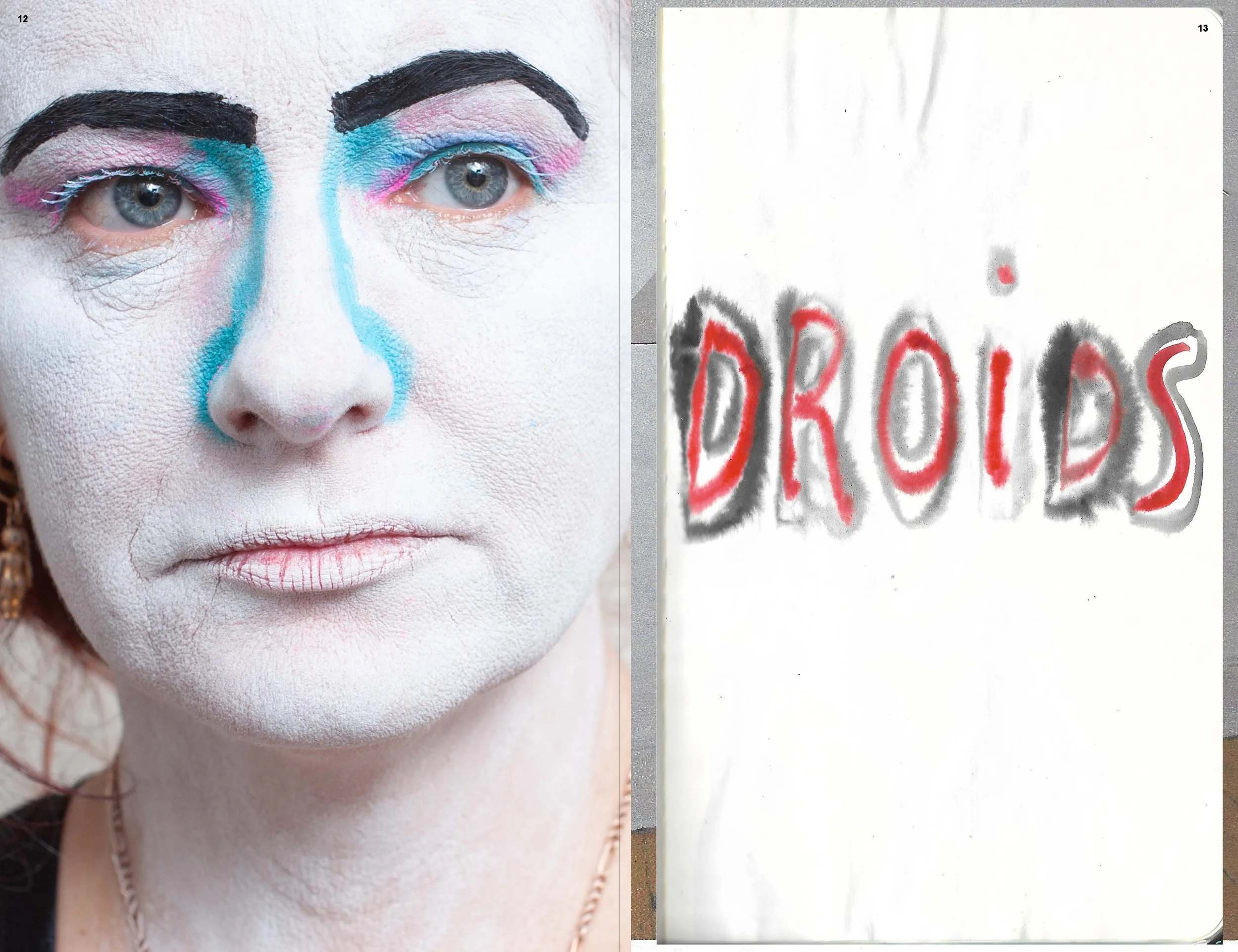
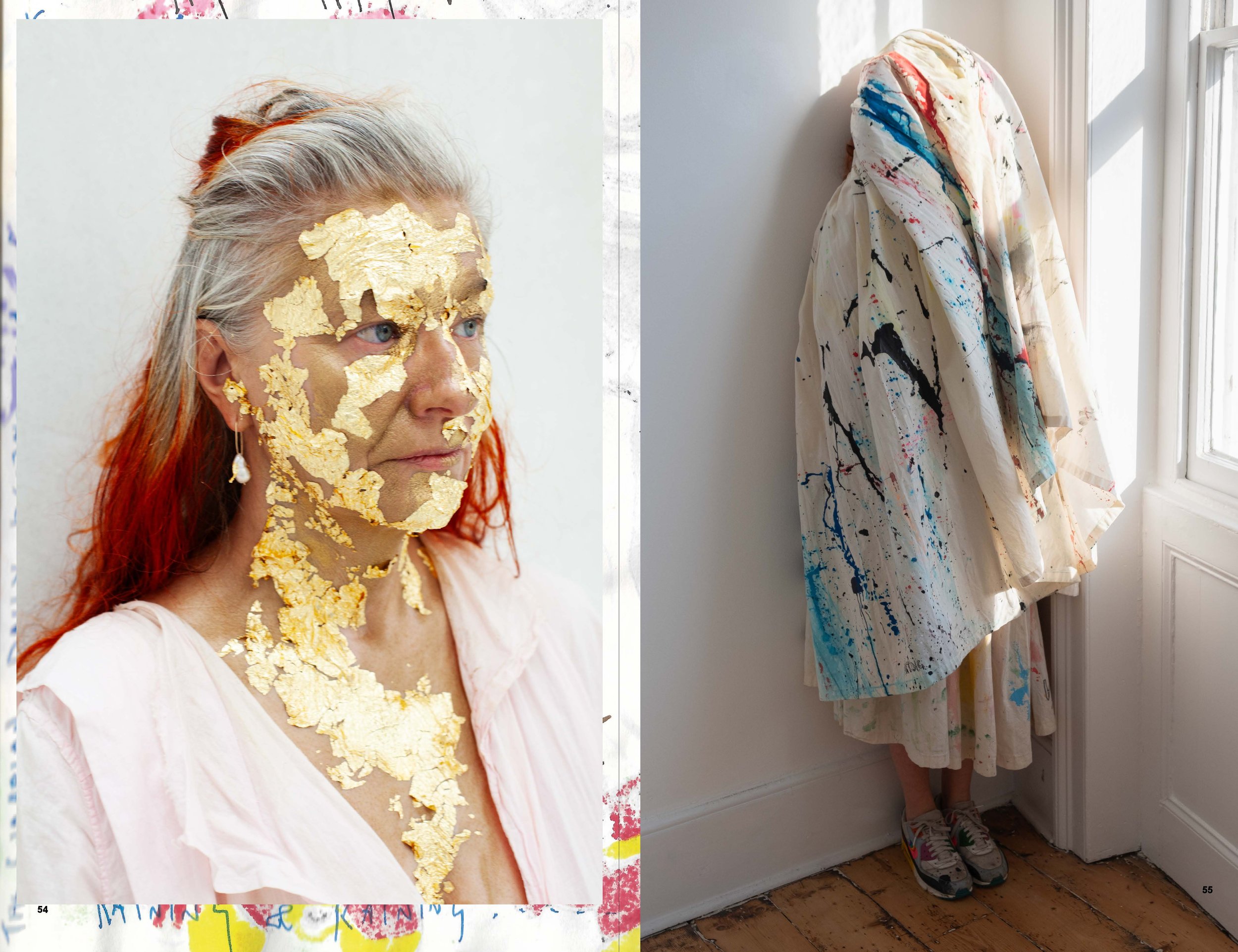
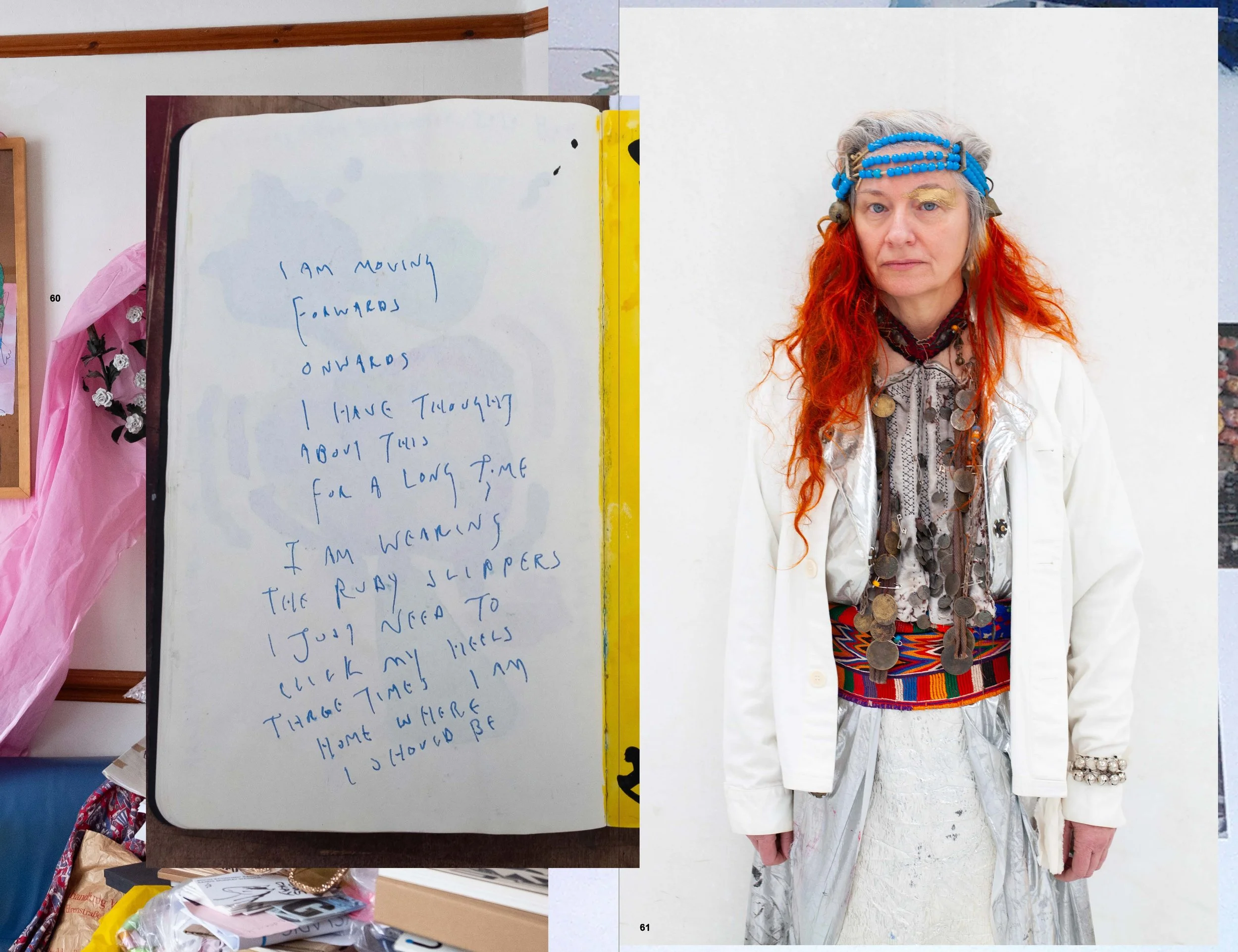
For British artist Delaine Le Bas, dress is divine. Clothes appear as both mask and memorial within an expansive body of work exploring mythologies of Le Bas’s Romani ancestry. Embroidered and hand-painted textile is central to the artist’s lyrically activist practice, alongside costume, writing and performance. In a new series of portraits by the British photographer Tara Darby, directed by Jane Howard, gold leaf dances across the planes of Le Bas’s face in repose, it wraps and jangles around her wrists, glimmers across her clothes. In a notebook she has inscribed: “In the forest of grief I grew into a shrub of gold.” The grief is alchemical.
Designed by Margherita Sabbioneda.
Publisher
Archivist Addendum
Year
2024
Unité
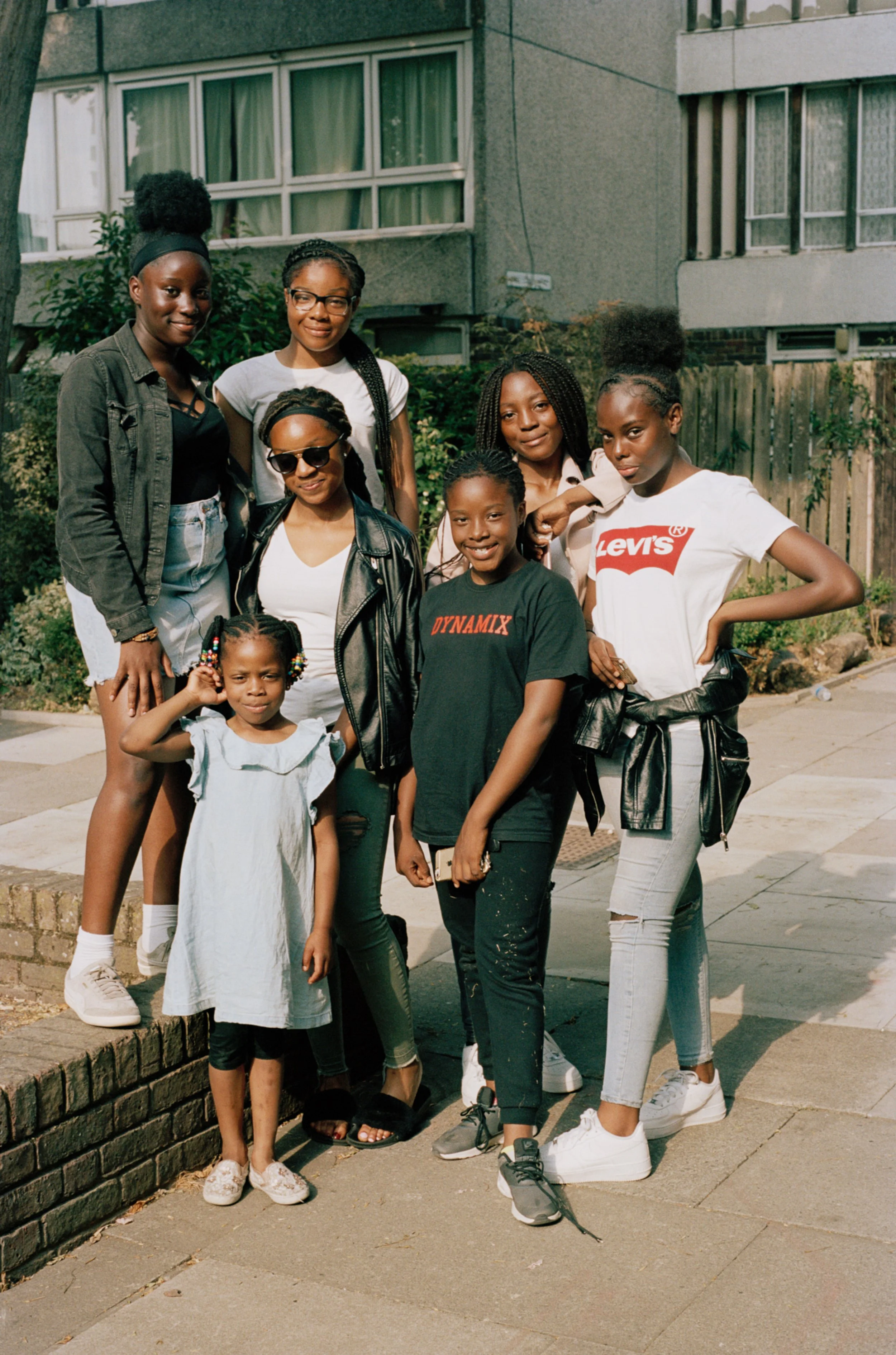
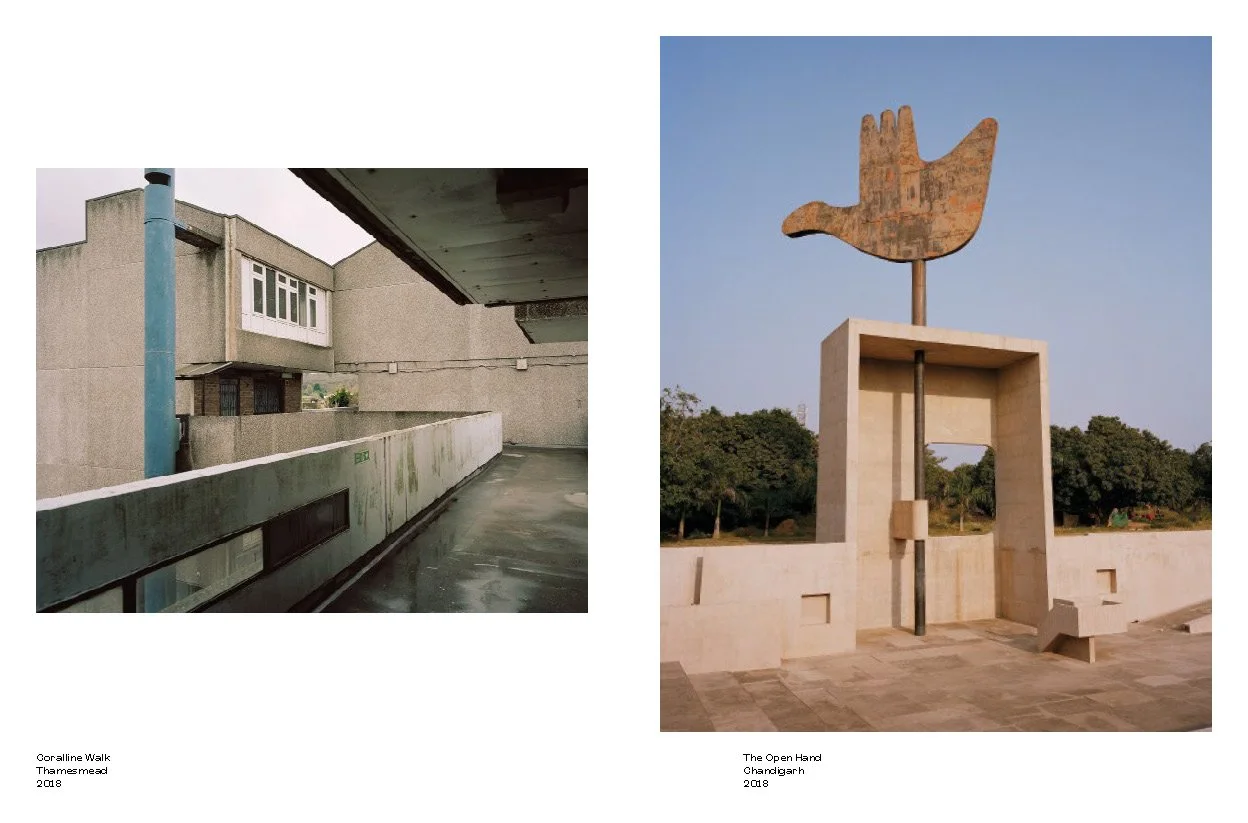
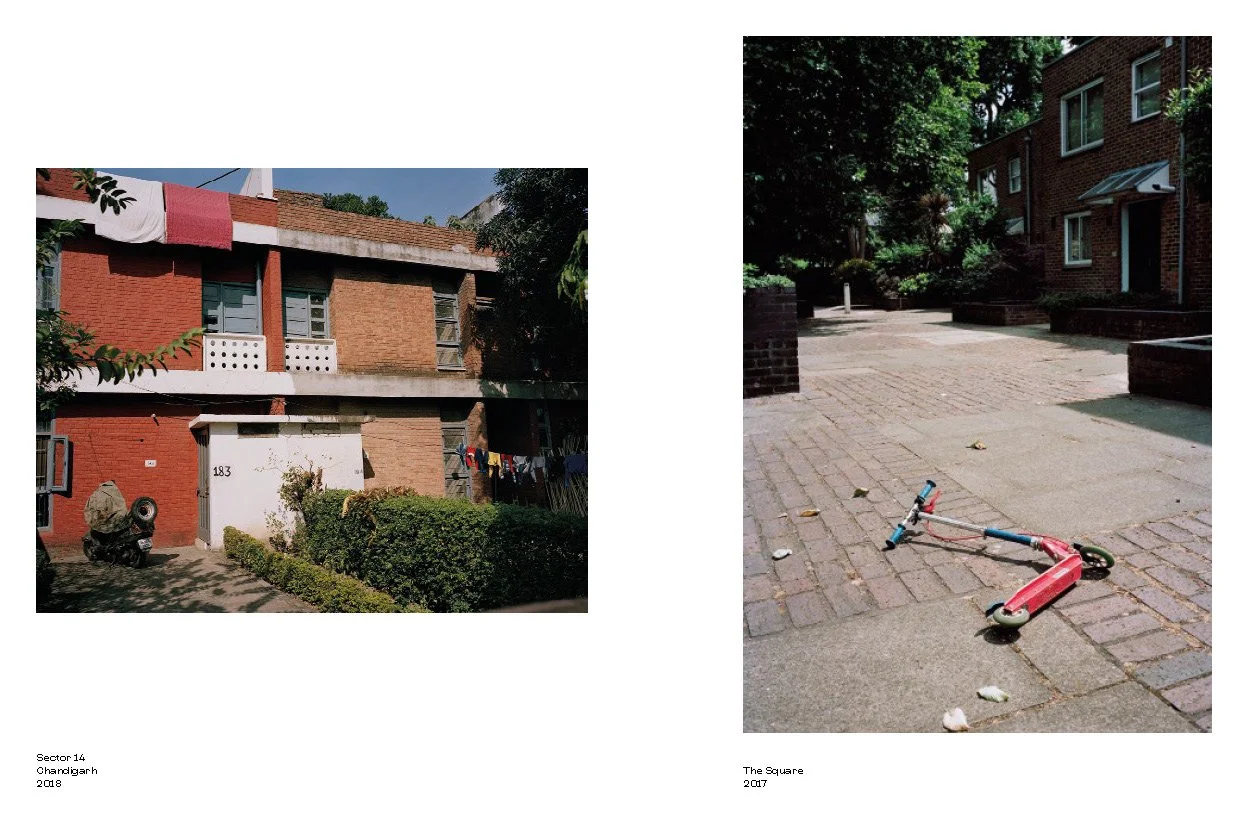
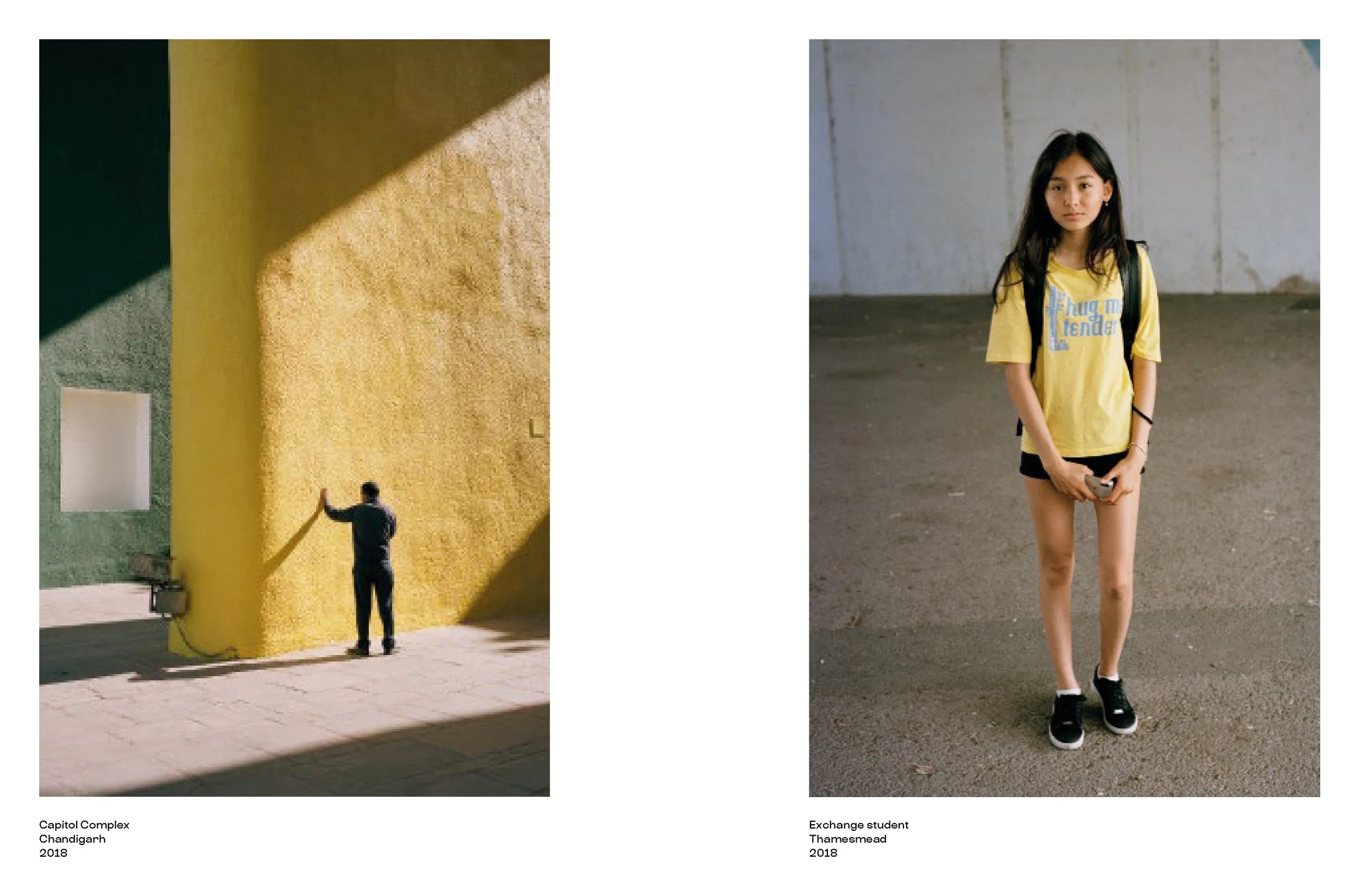
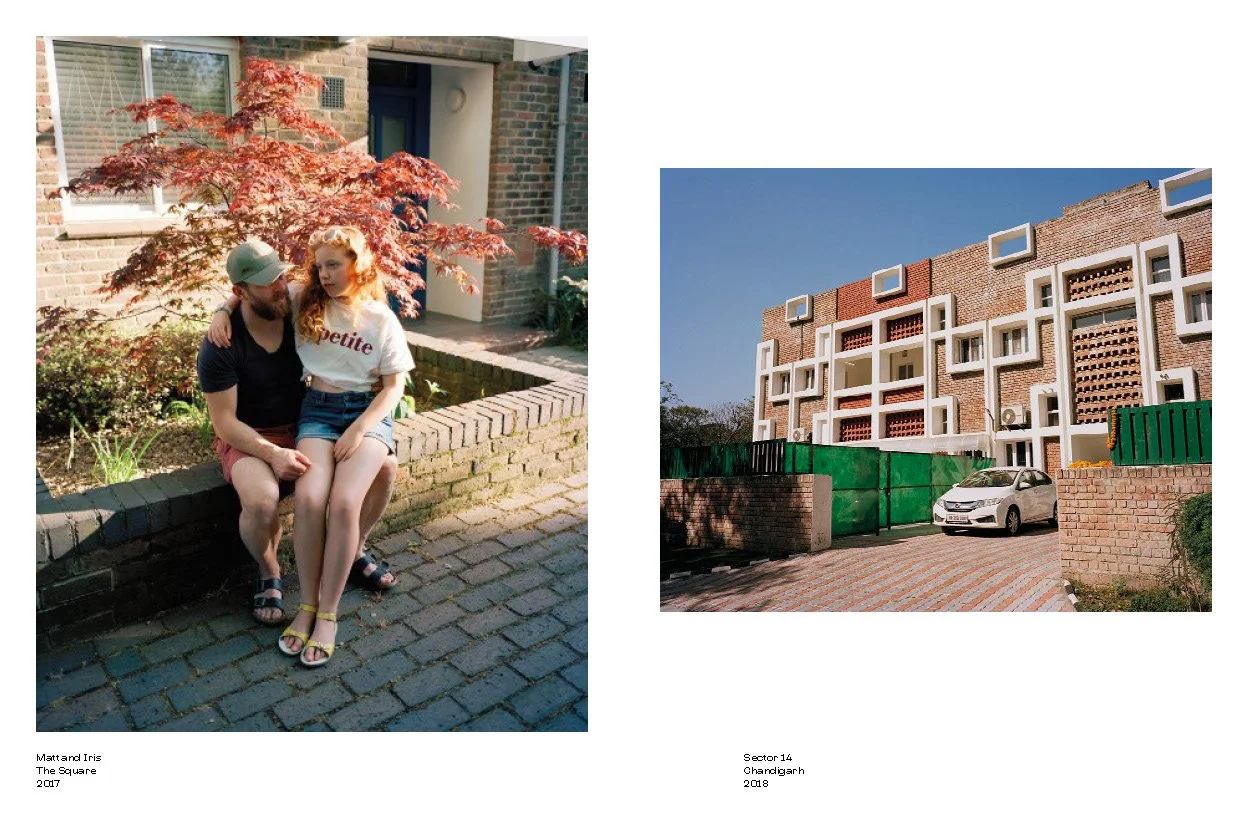
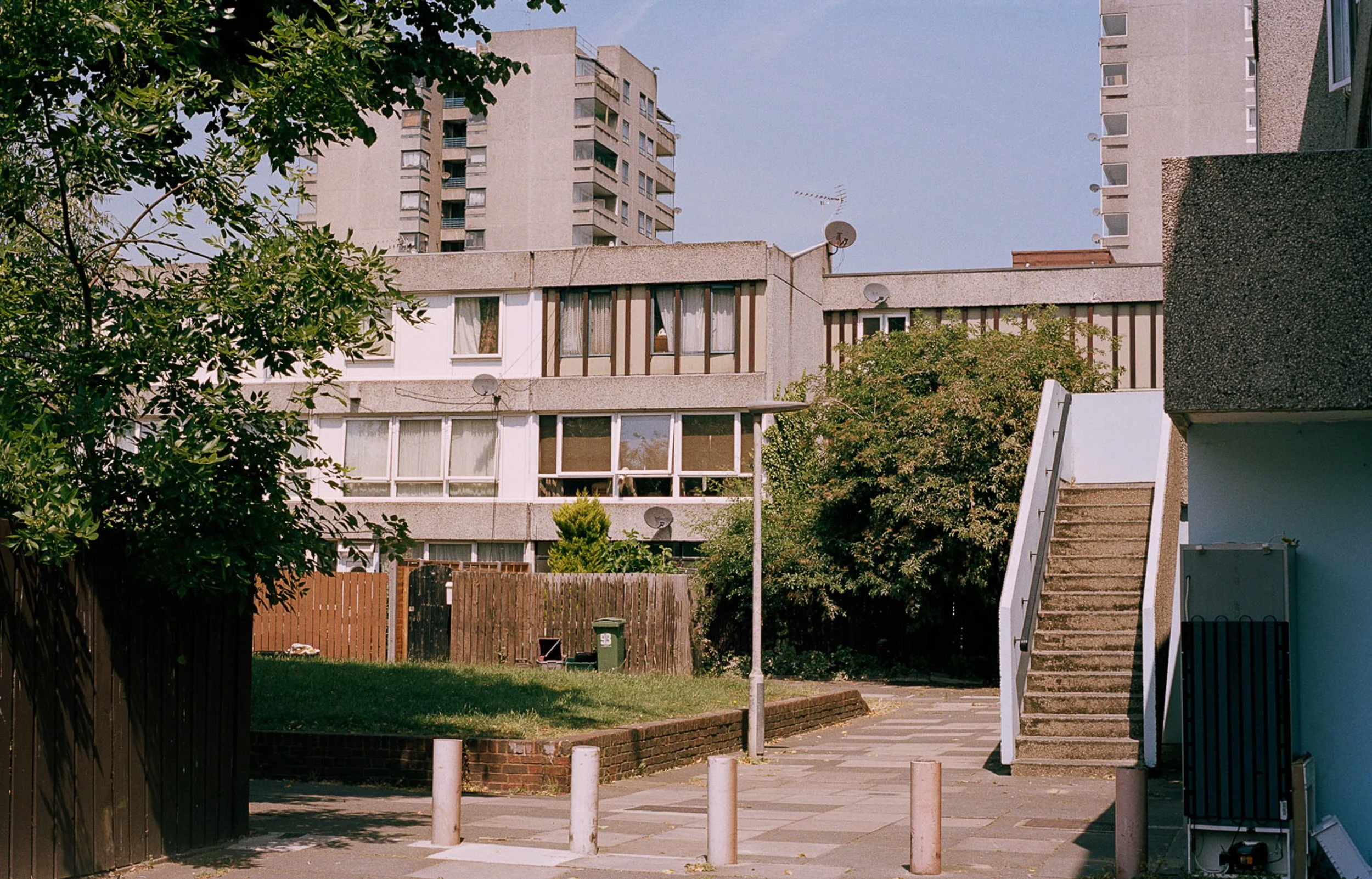
In 2018 I spent much of the year photographing different modernist buildings. I live on a 1970s estate which I document all the time. I spent the year making a book about Thamesmead. In the summer, I went to Unité d’Habitation in Marseille and in the winter to Chandigarh, India.
My housing estate, designed by John Spence Architects, was originally built for key workers. Thamesmead was built to solve a post-war housing crisis in London. Unité d’Habitation, completed in 1952, was the first manifestation of Le Corbusier’s ‘machine for living’, after ten frustrating years in which all of his project proposals had been rejected.
Despite their successes and failures, still present in all of these places is the radical optimism and vision that inspired them, culminating for me with Le Corbusier’s 28-metre-high sculpture of The Open Hand inChandigarh: a symbol of ‘peace and reconciliation, open to give and open to receive.’
Designed by Ben Weaver
Publisher
Miniature Love
Year
2019
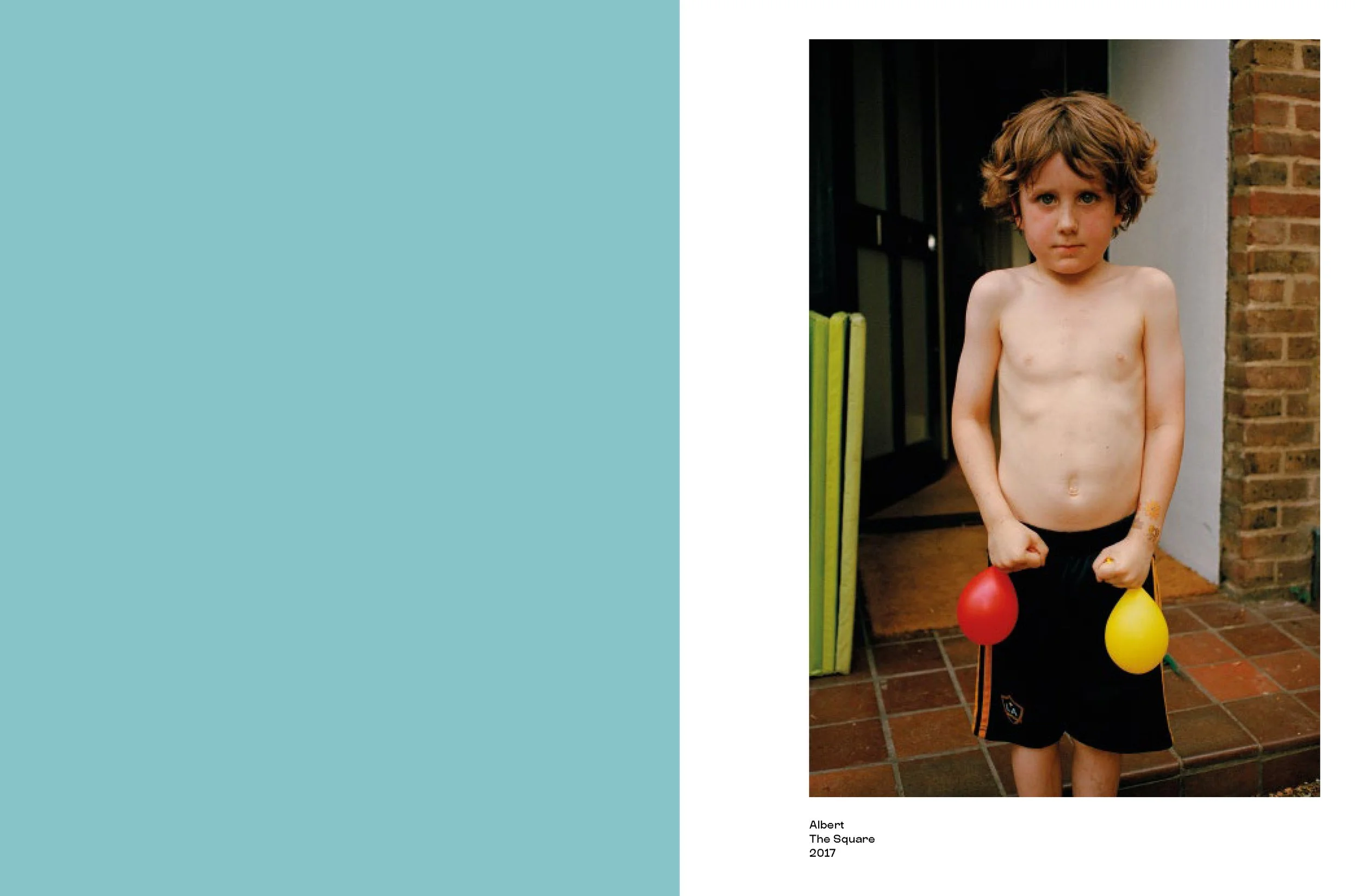
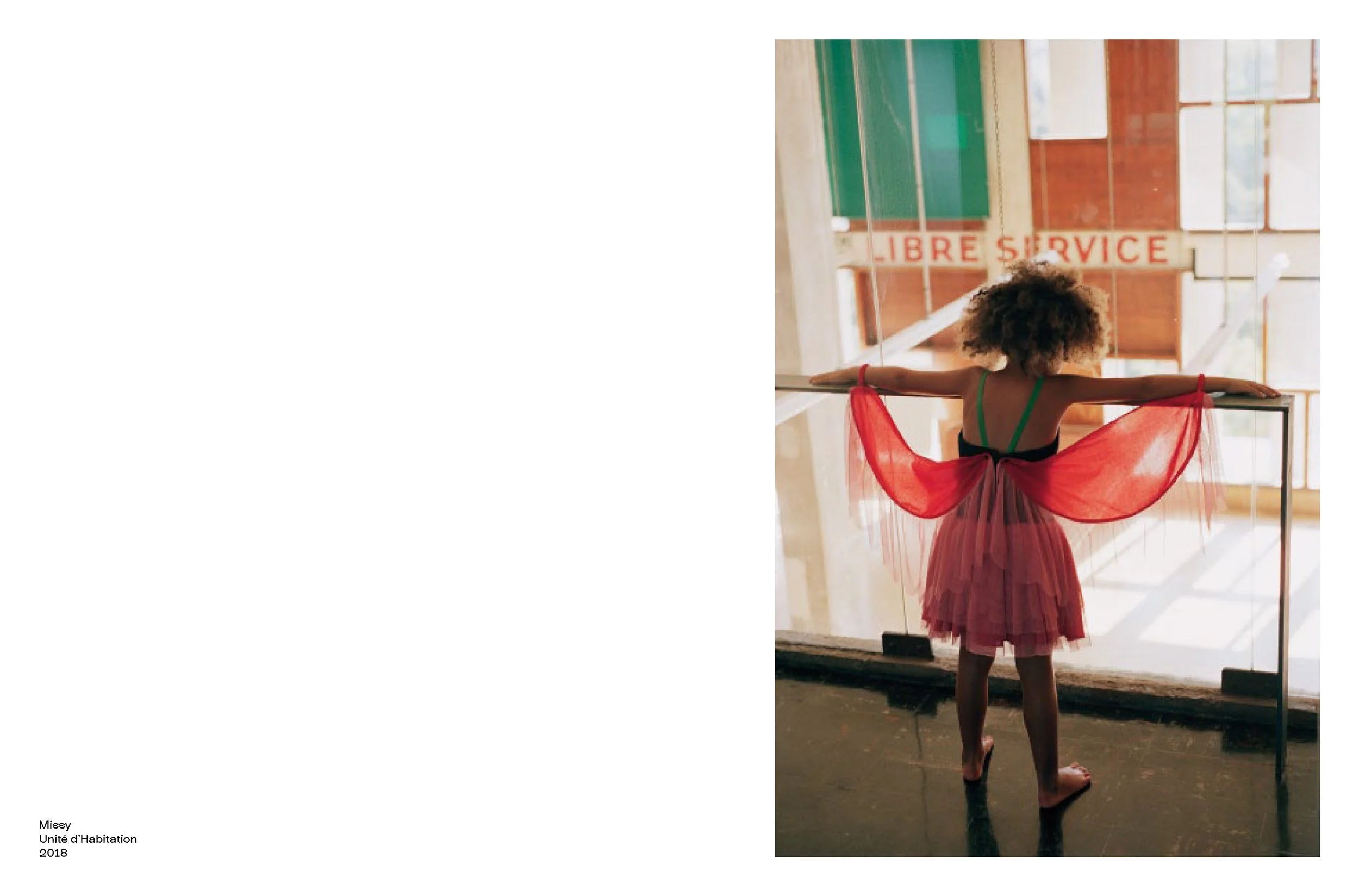
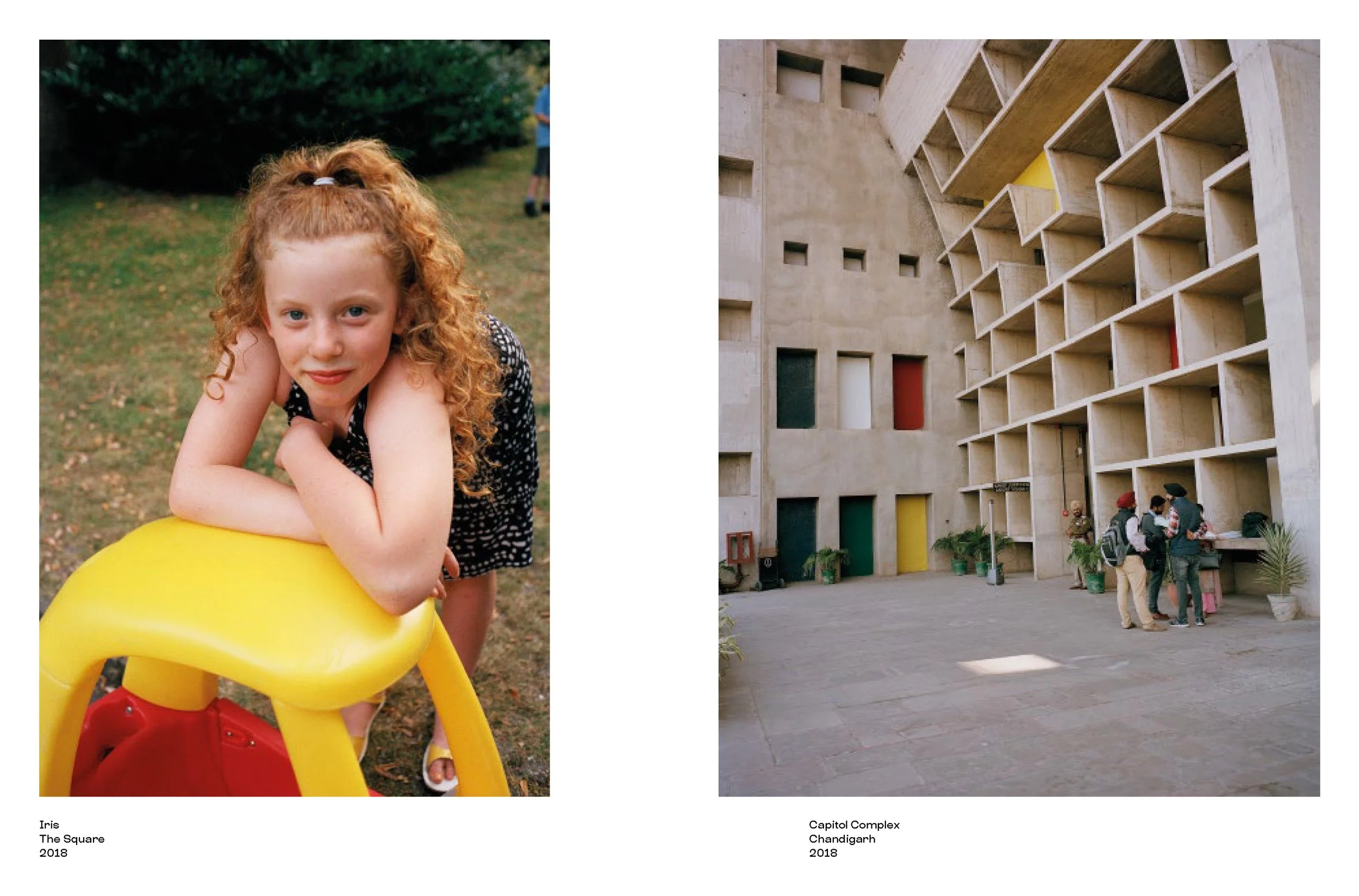

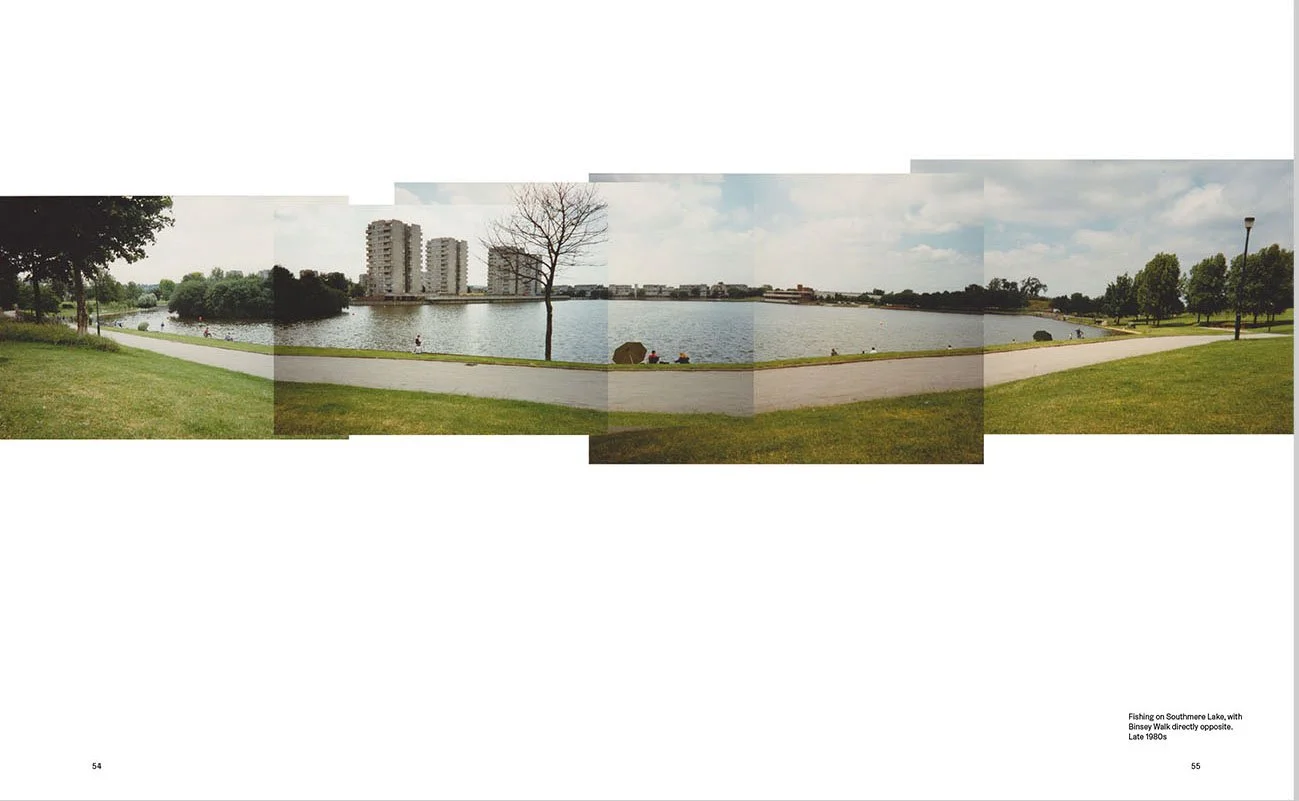
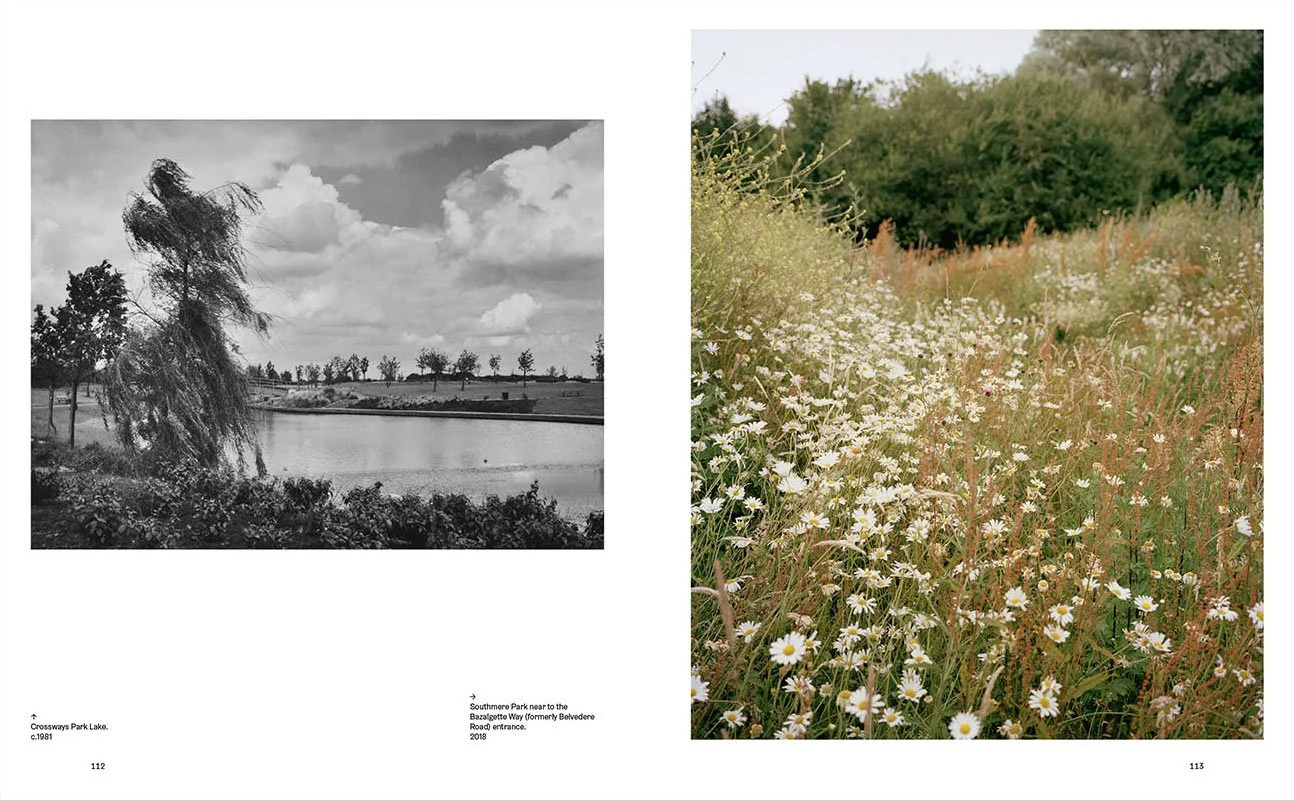
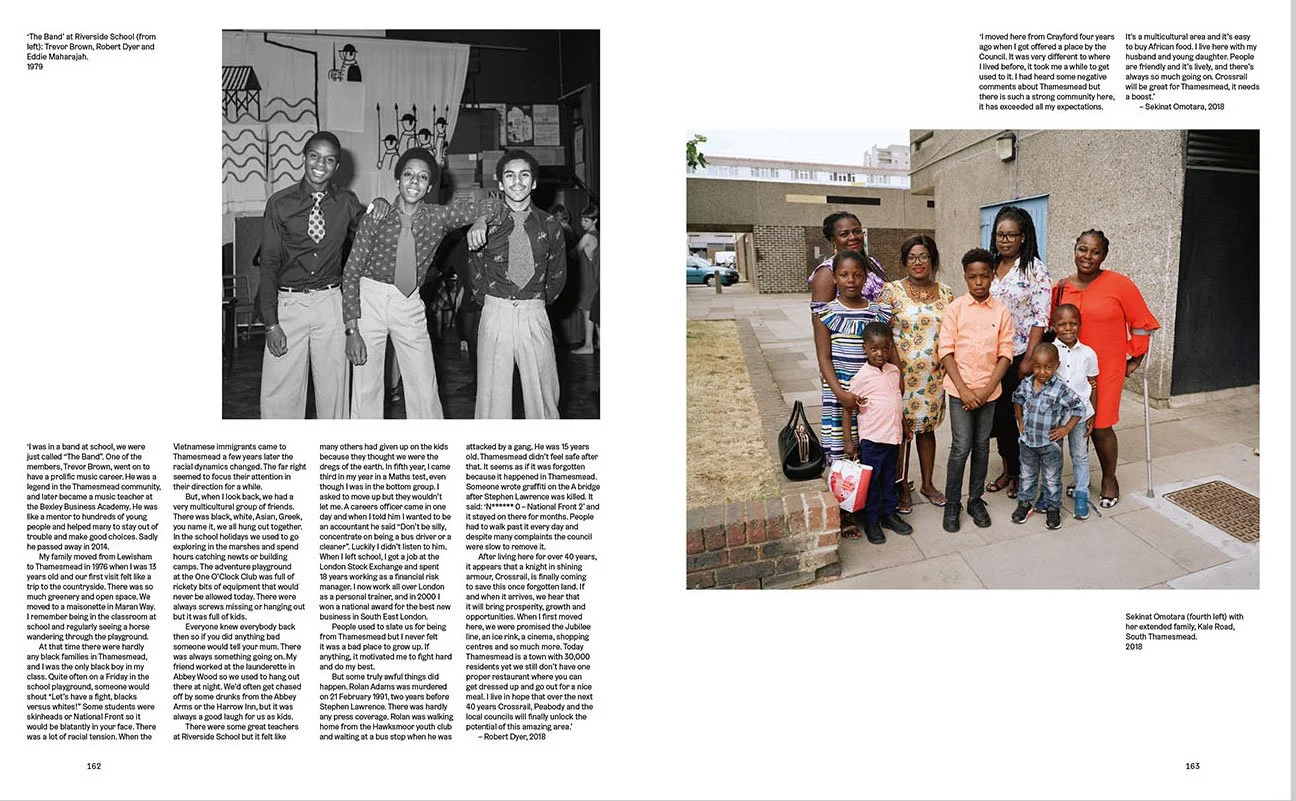
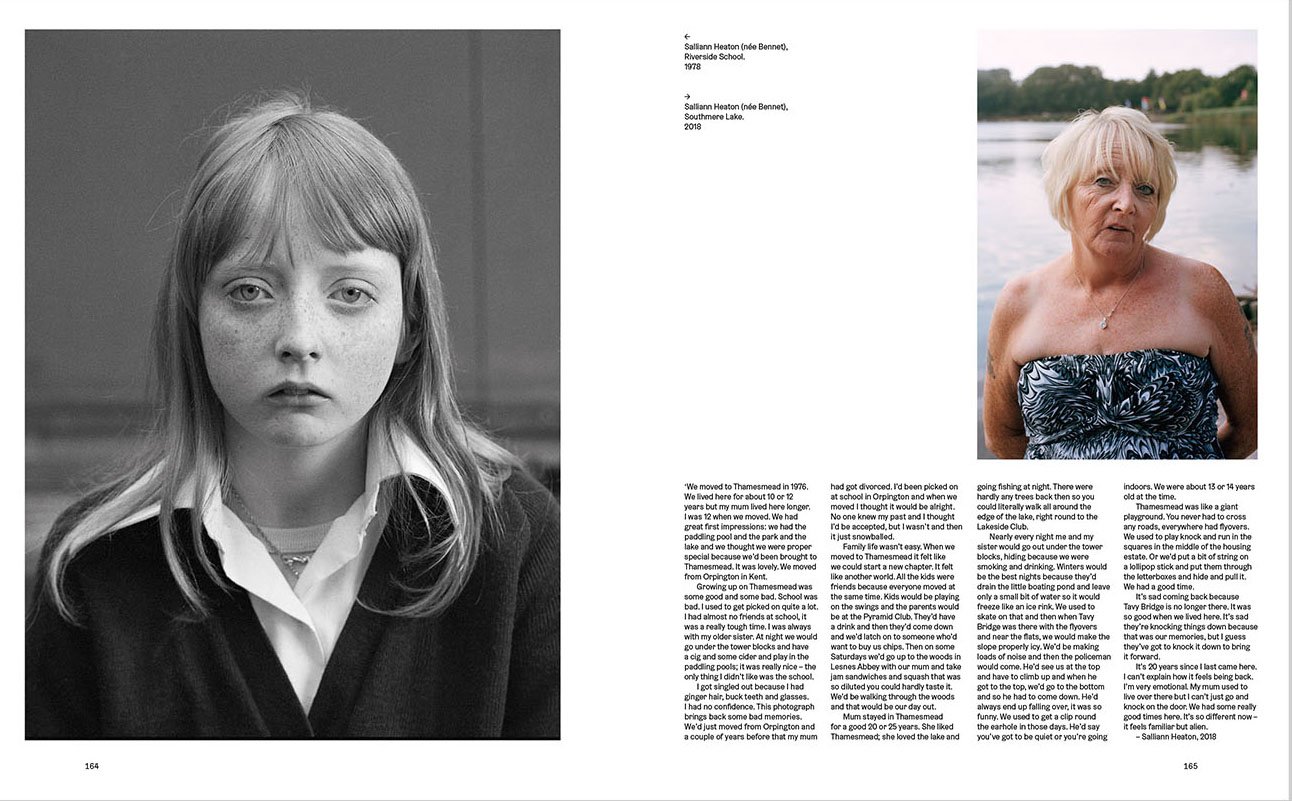
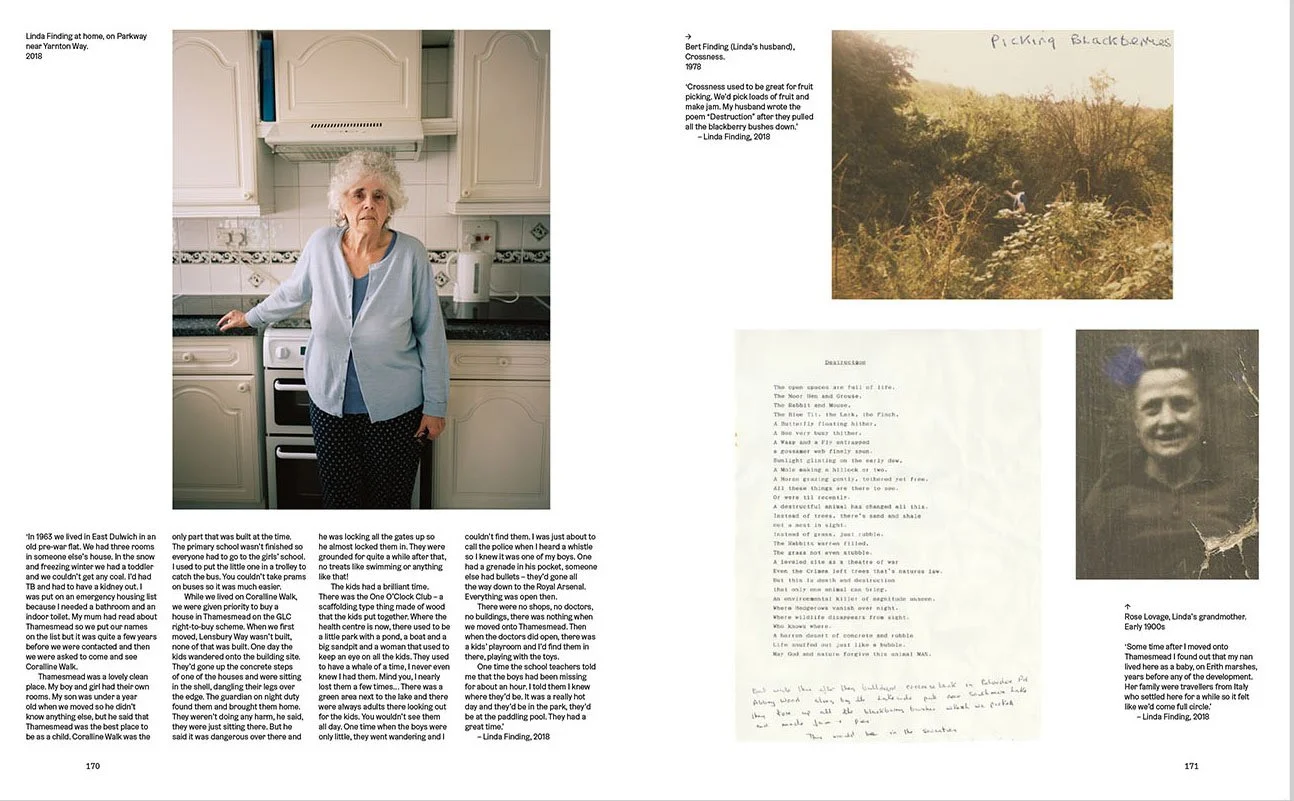
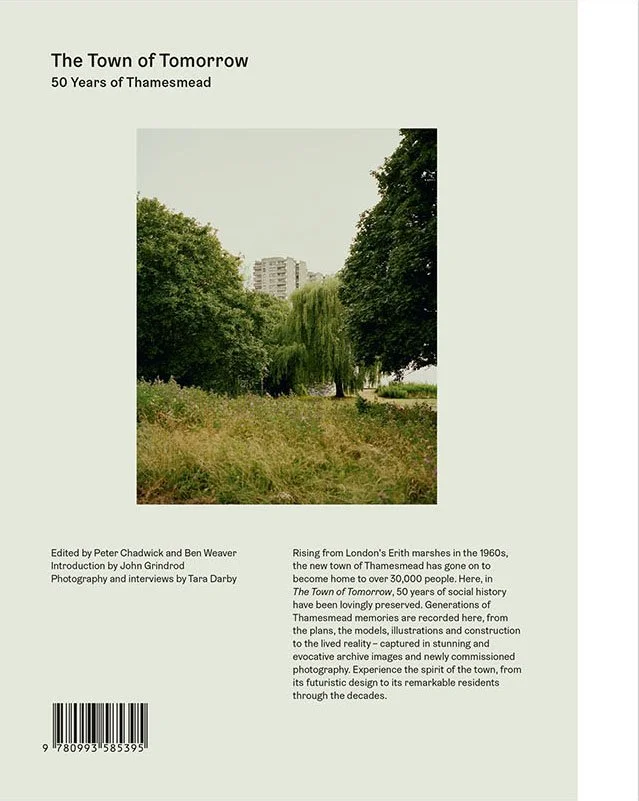
The Town of Tomorrow: 50 Years of Thamesmead
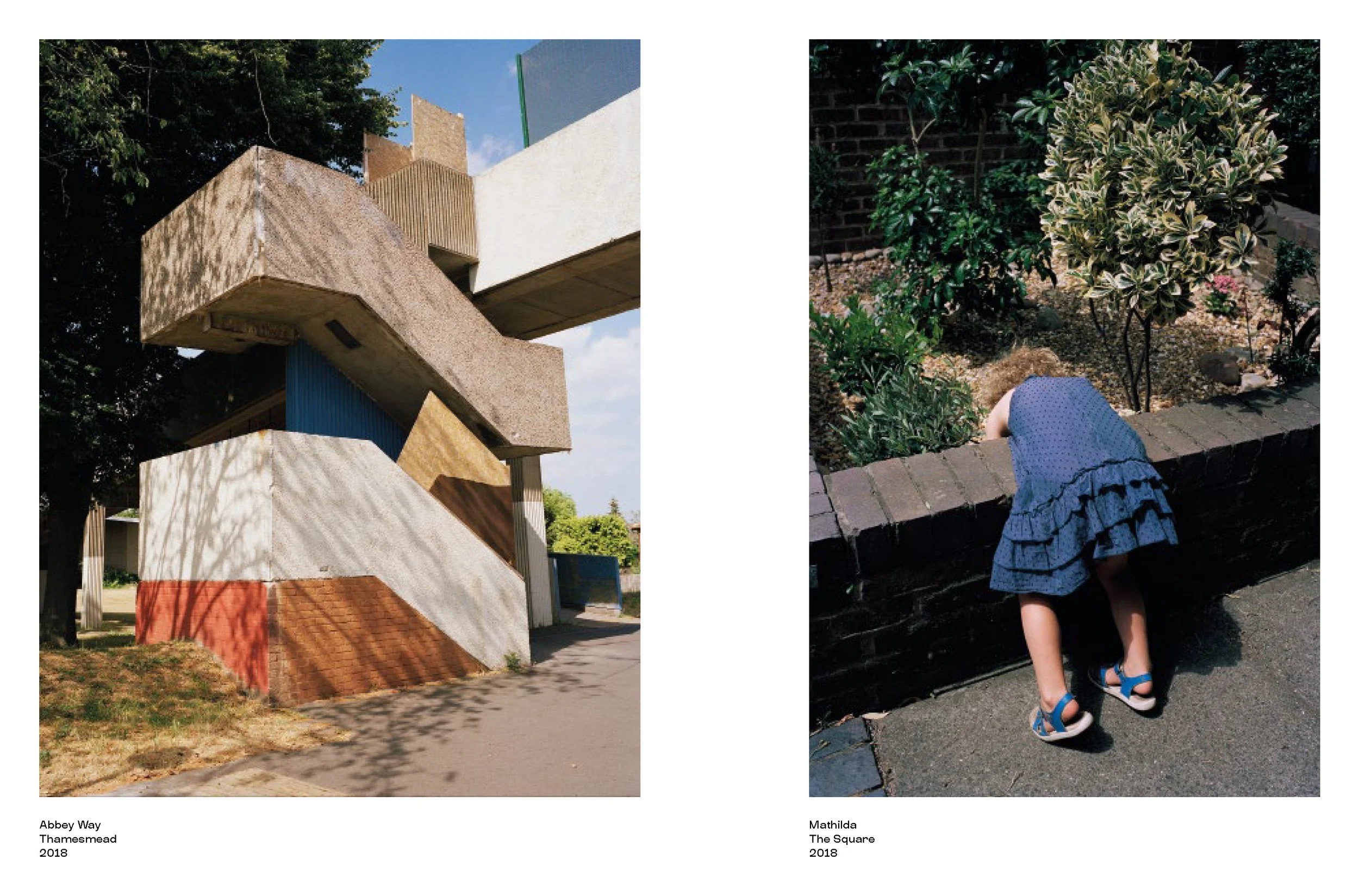
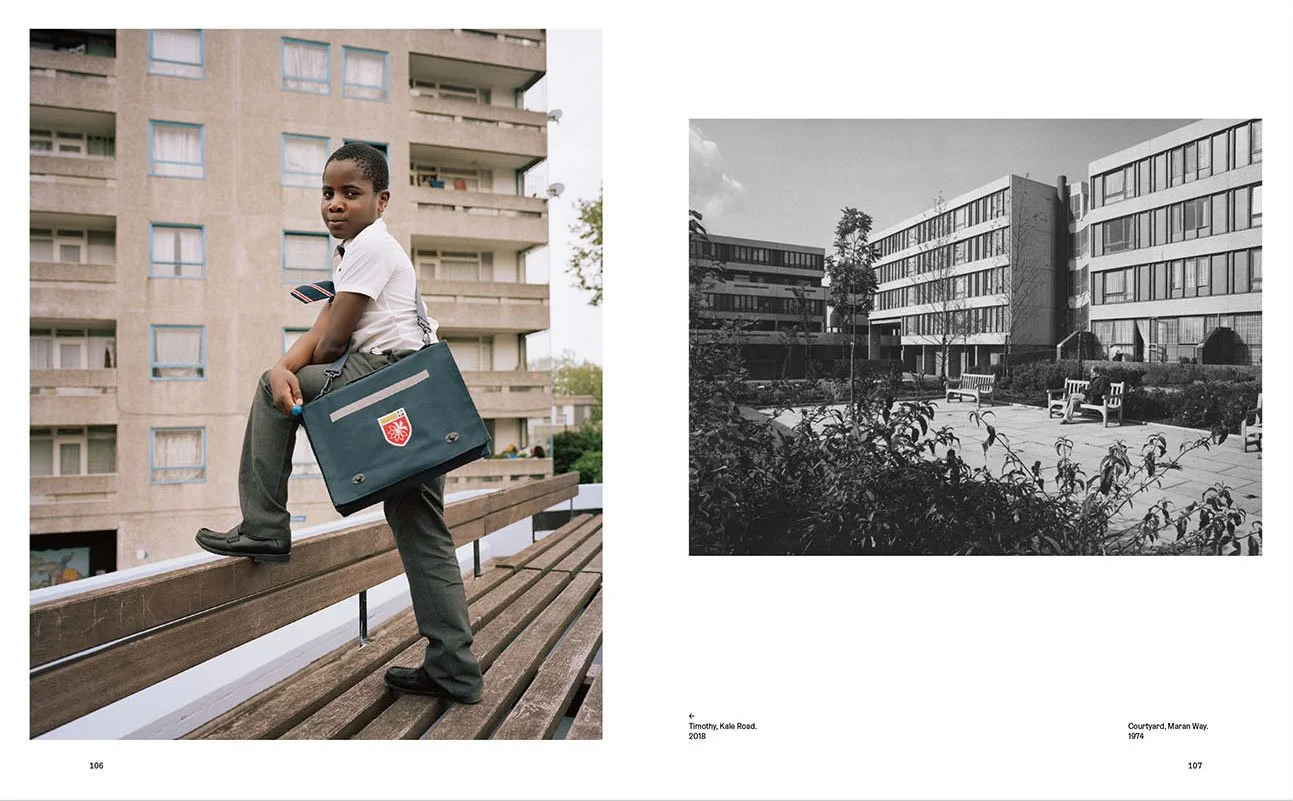
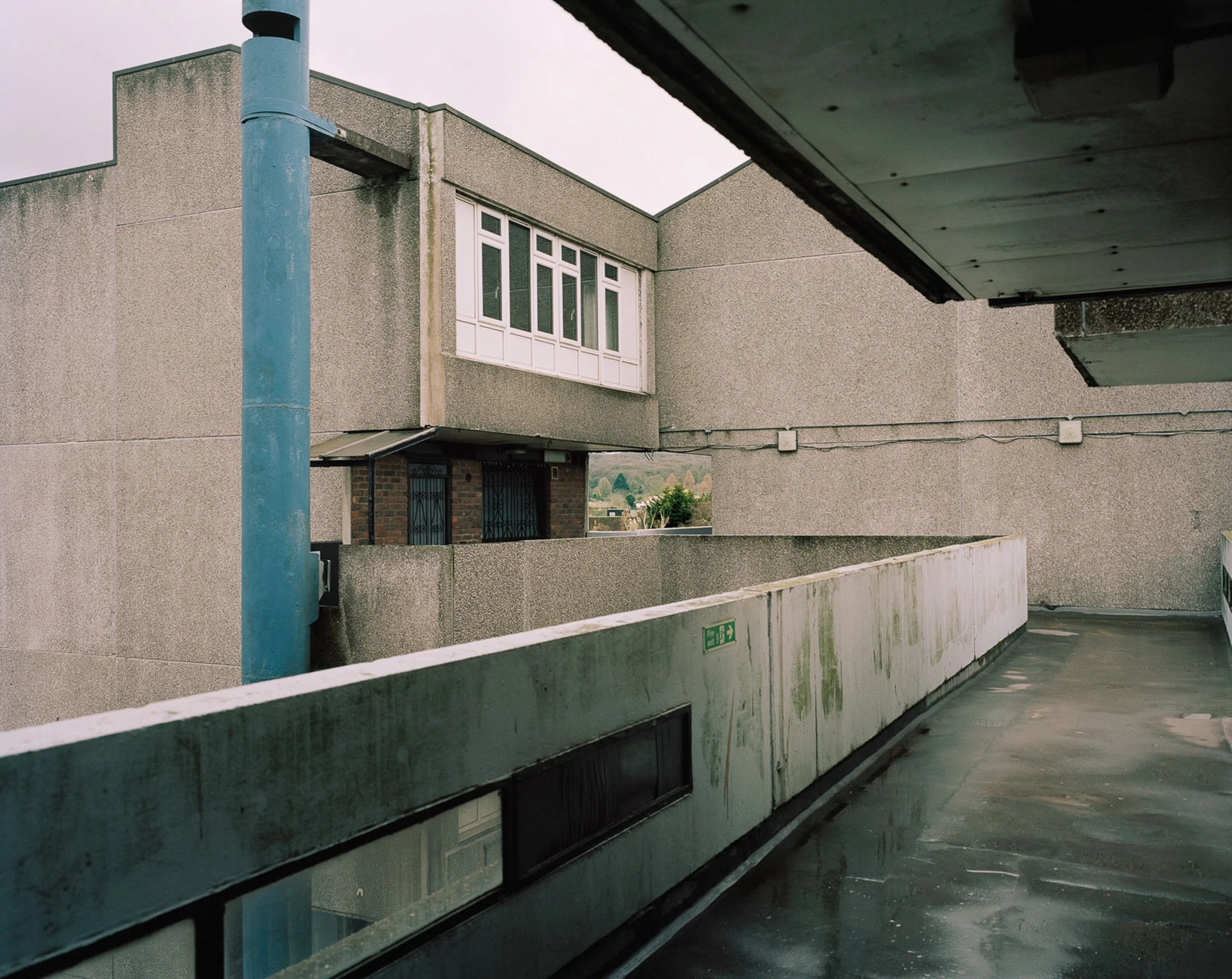
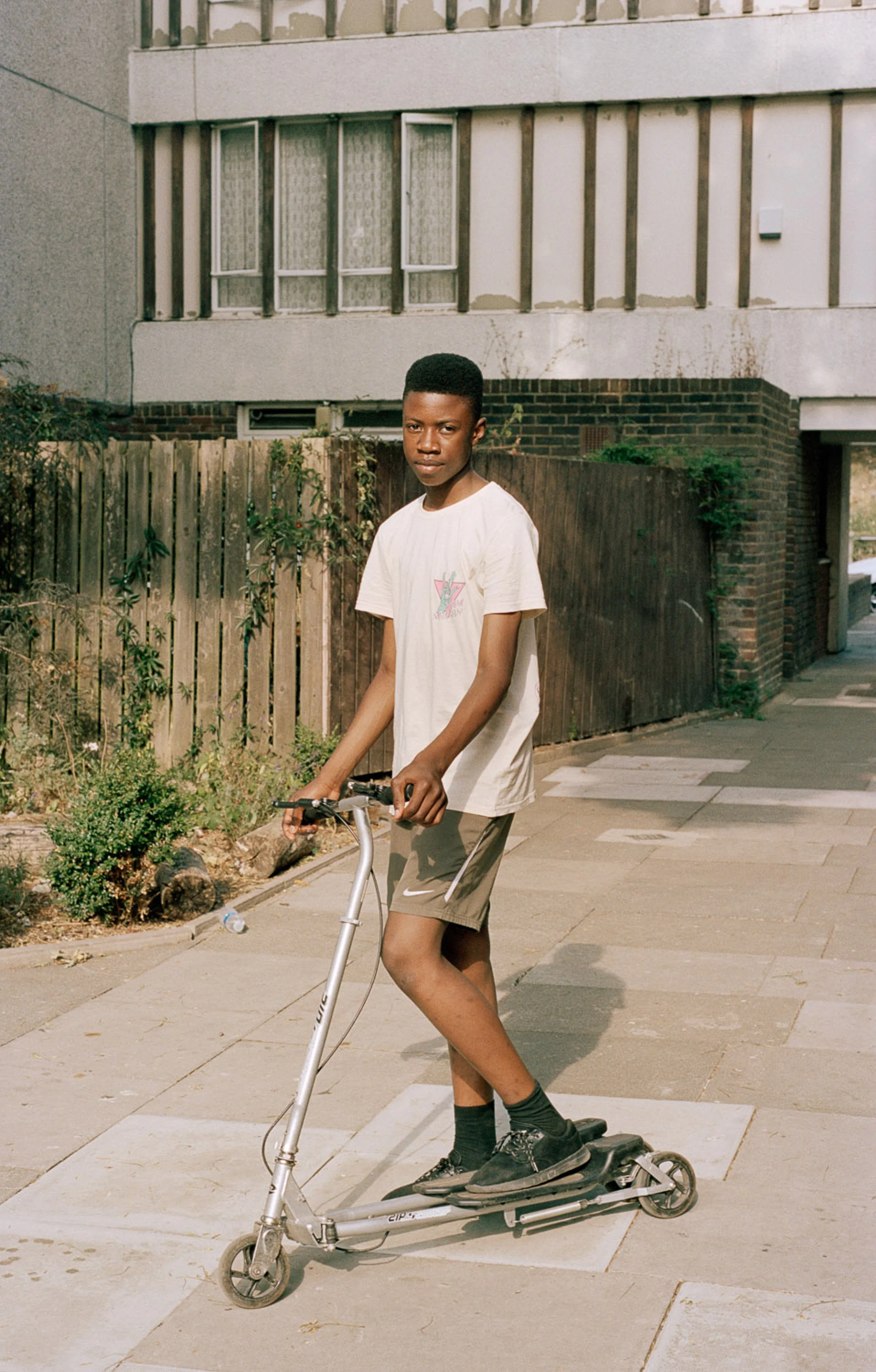
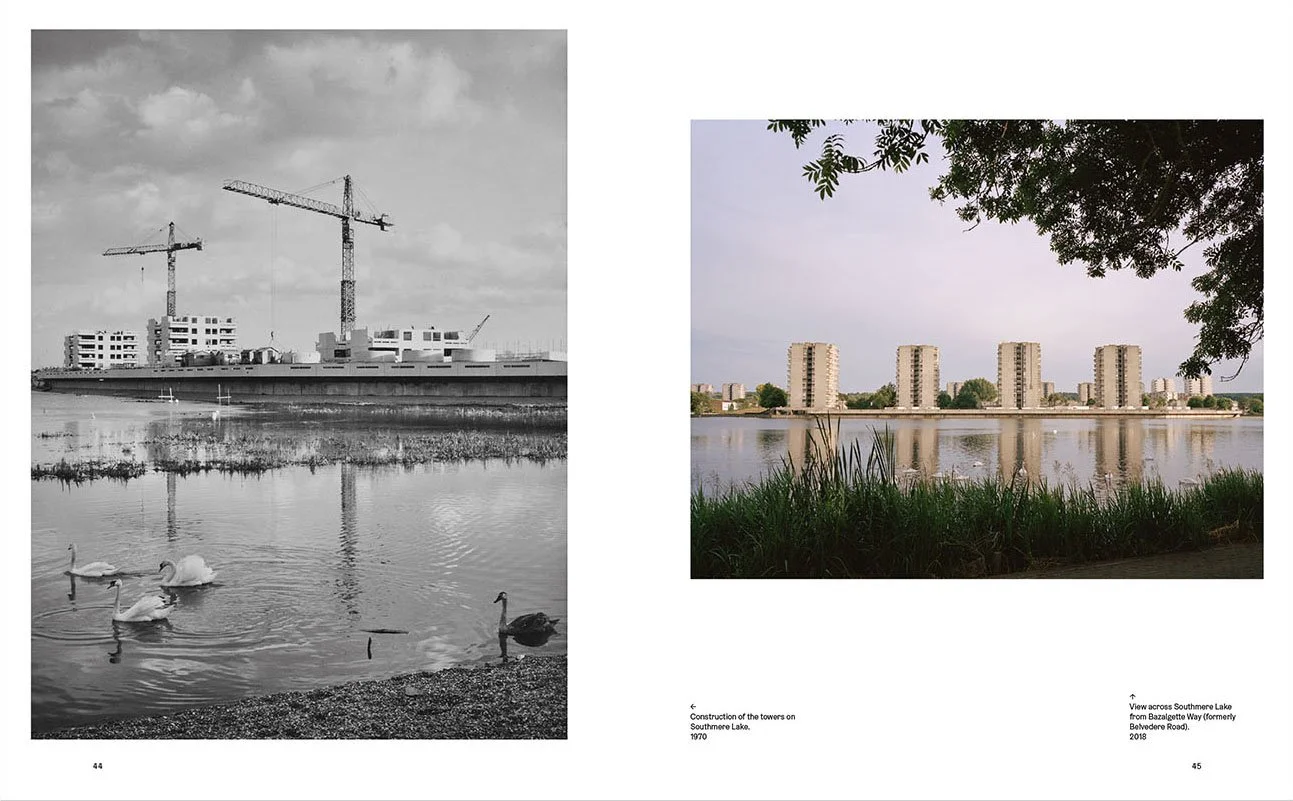
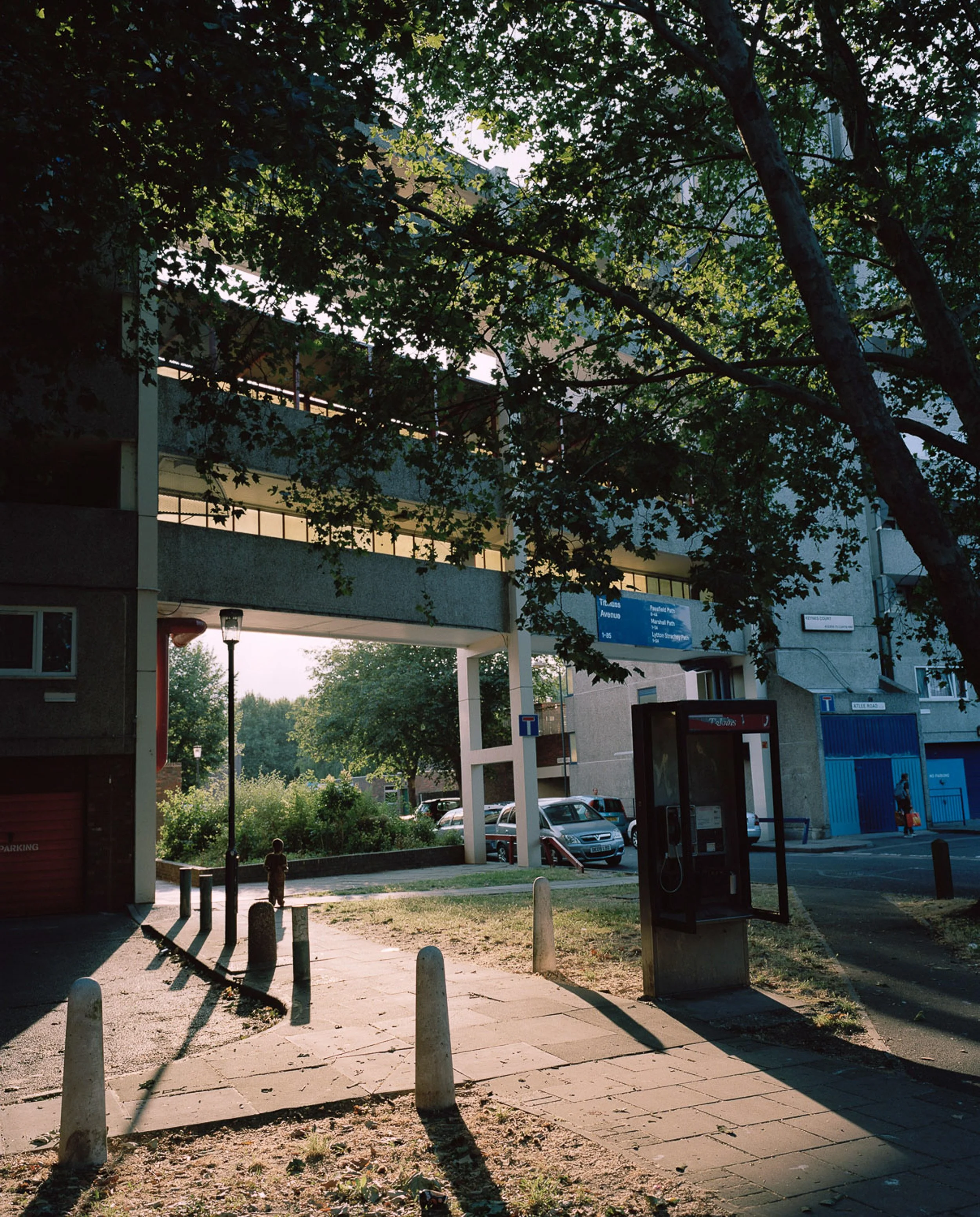
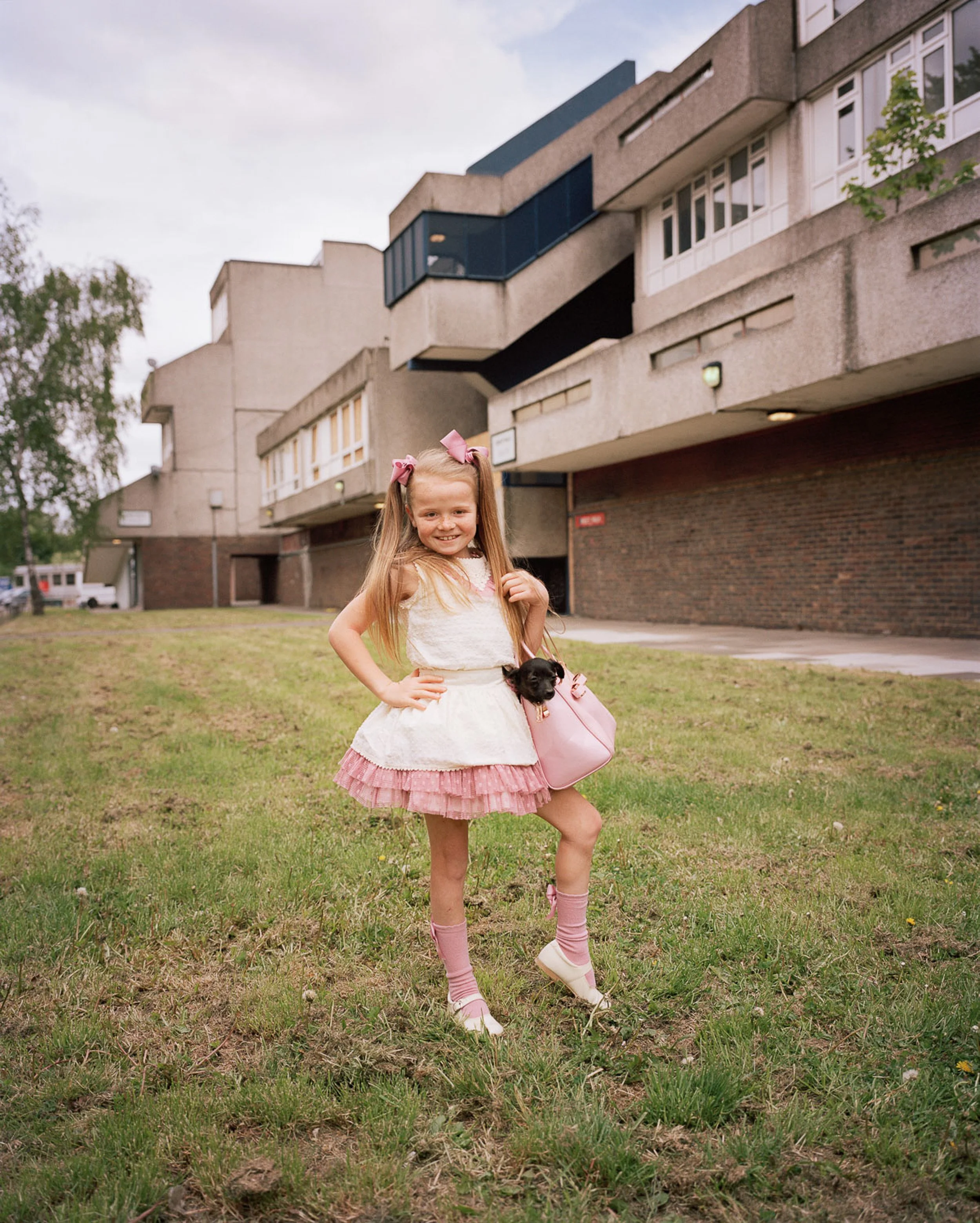
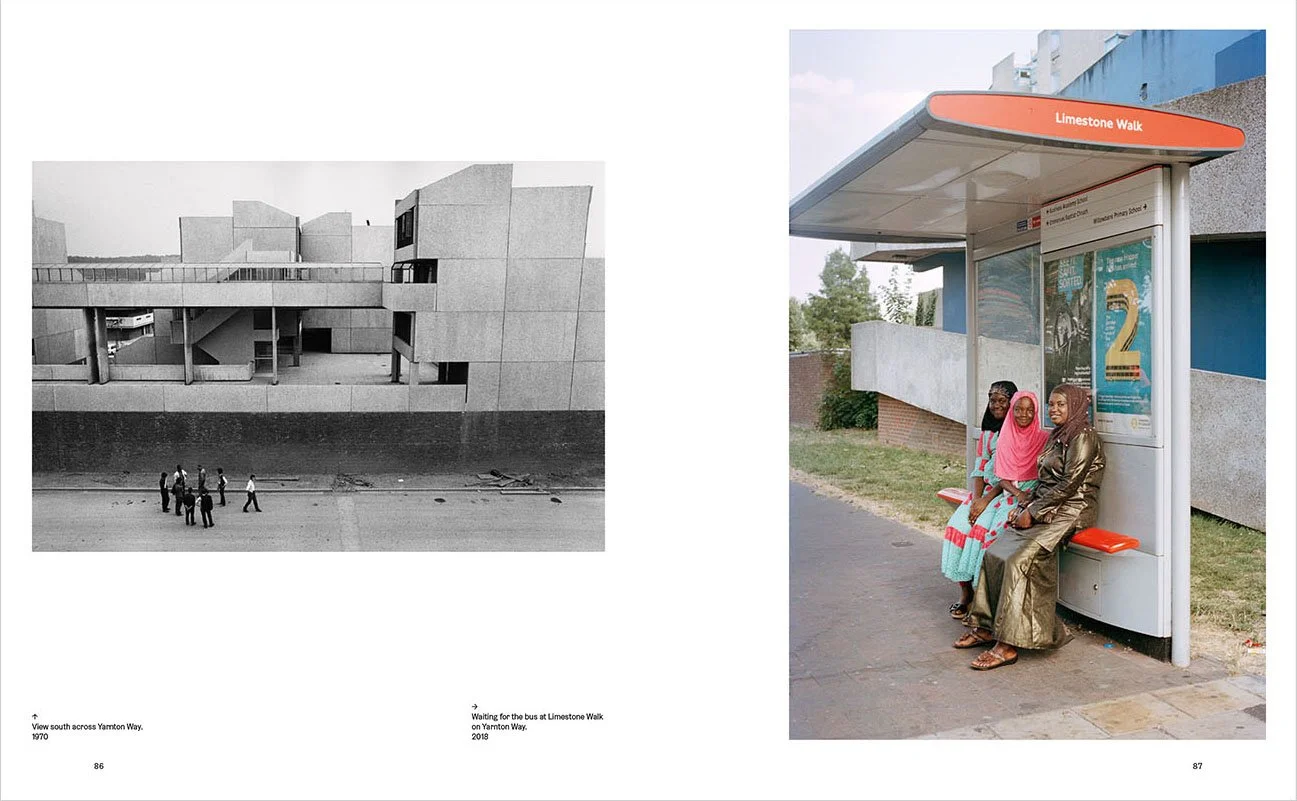
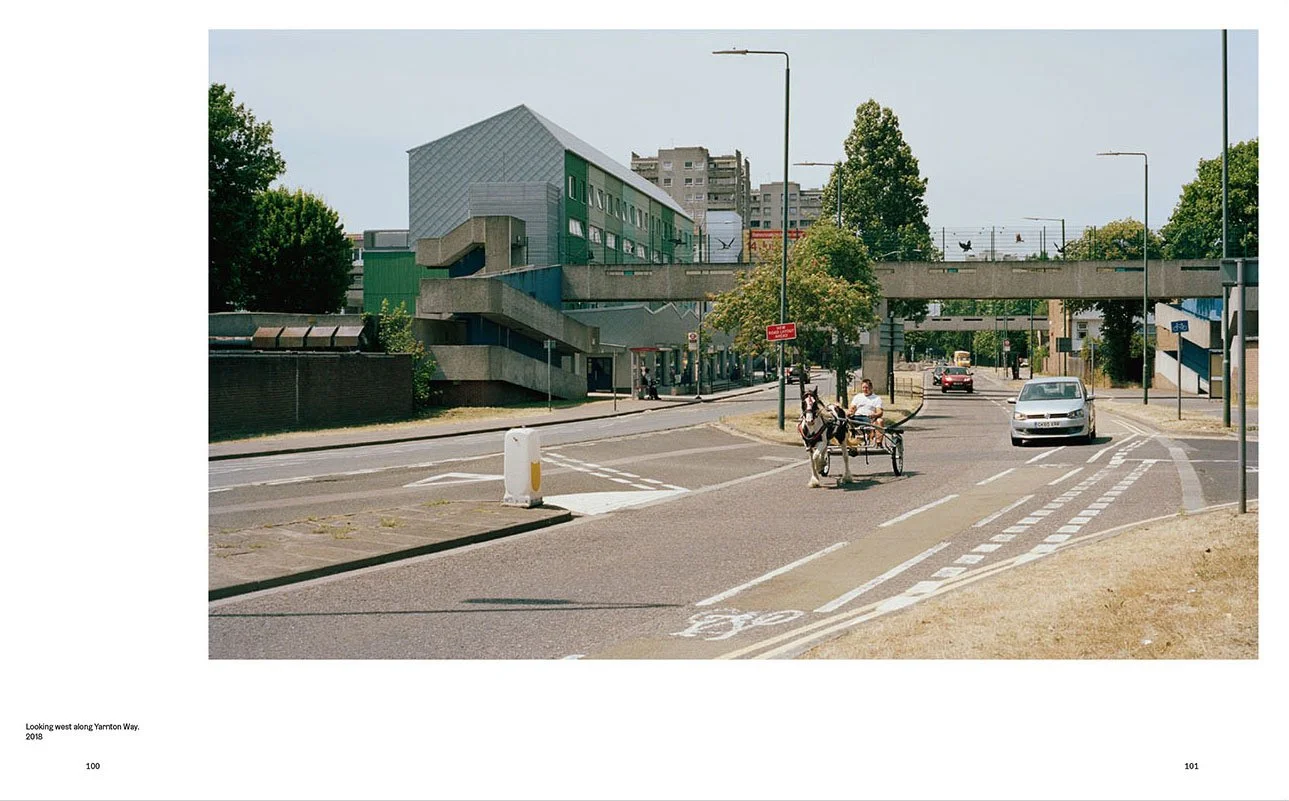
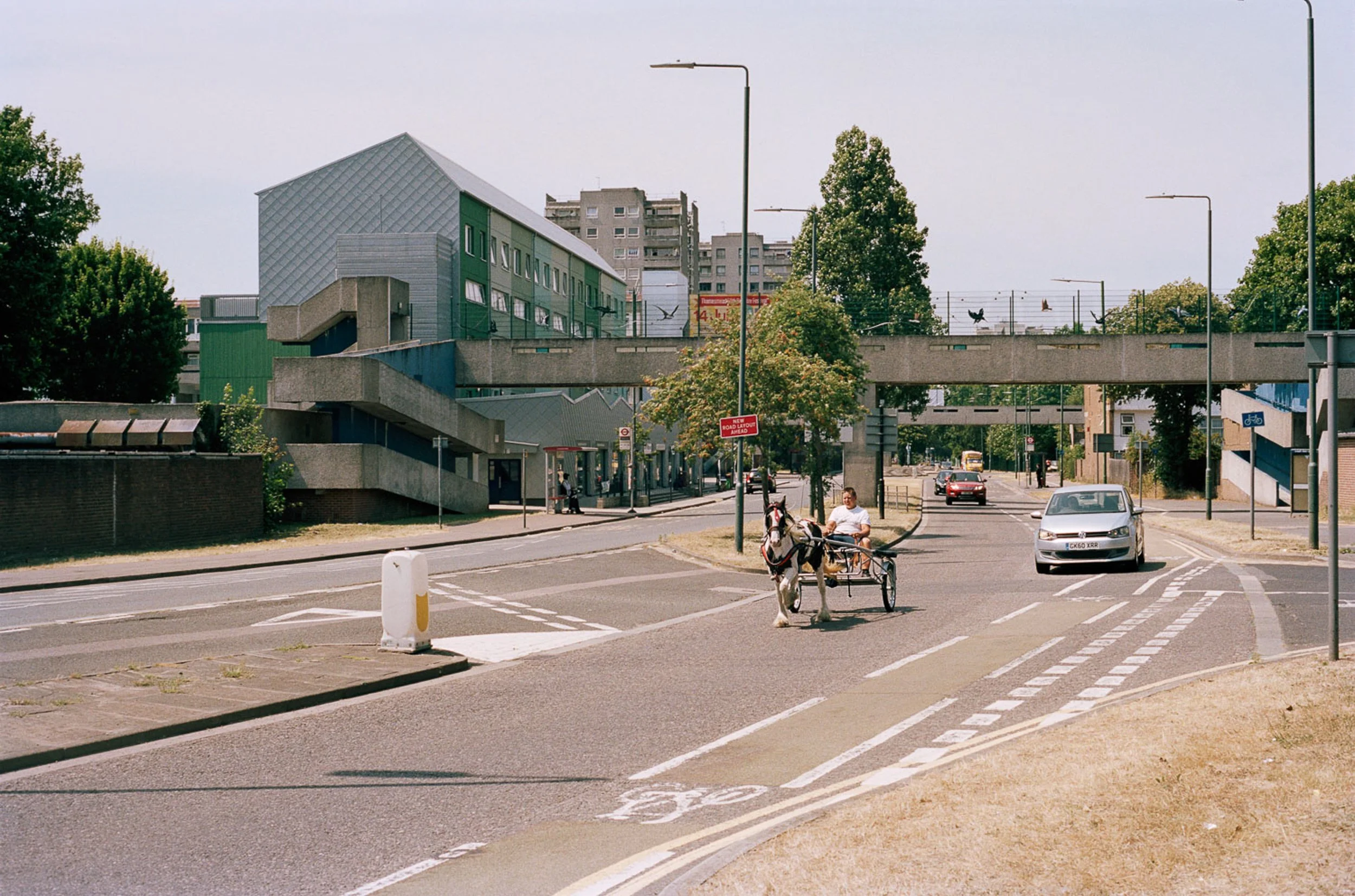
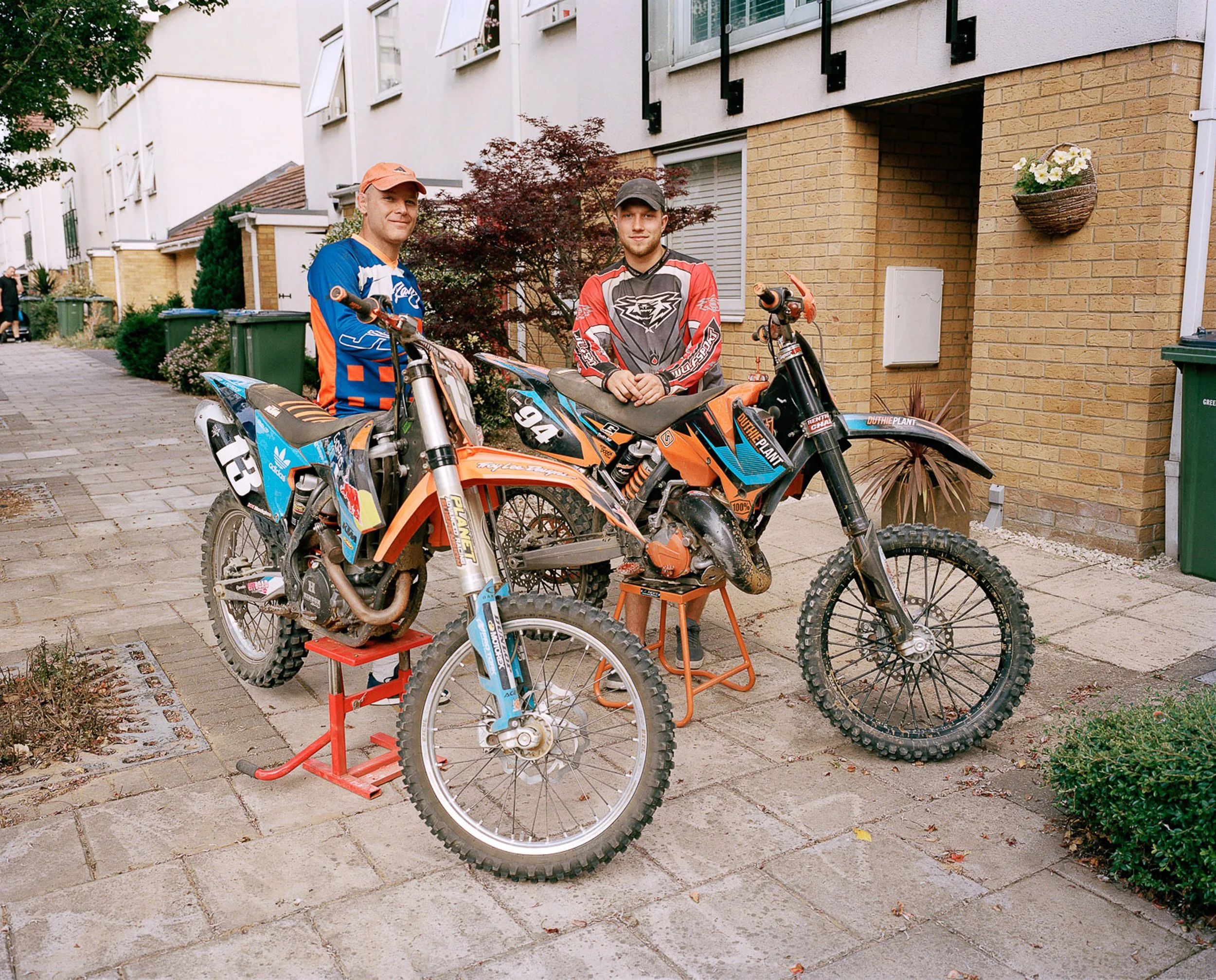
Rising from London’s Erith marshes in the 1960s, Thamesmead was London County Council’s bold attempt to build a new town to address the city’s housing shortage after the Second World War. Noted for its daring, experimental design – concrete modern terraces, blocks of flats and elevated walkways built around a system of lakes and canals – the town received attention from architects, sociologists and politicians throughout the world but also gained notoriety as the backdrop to Stanley Kubrick’s film, ‘A Clockwork Orange’.
In ‘The Town of Tomorrow’, 50 years of Thamesmead’s history have been assembled and preserved. The architecture of the town and its inhabitants are captured by archive material combined with newly commissioned photography by Tara Darby. Original plans, models, postcards, leaflets and newspaper cuttings are presented alongside interviews with local residents. Together with an introductory essay by John Grindrod, the images convey the story of this influential but often misunderstood town, from the dreams and excitement of its ambitious original vision to the complex realities of living there today.
Designed by Ben Weaver
Publisher
Here Press
Year
2019
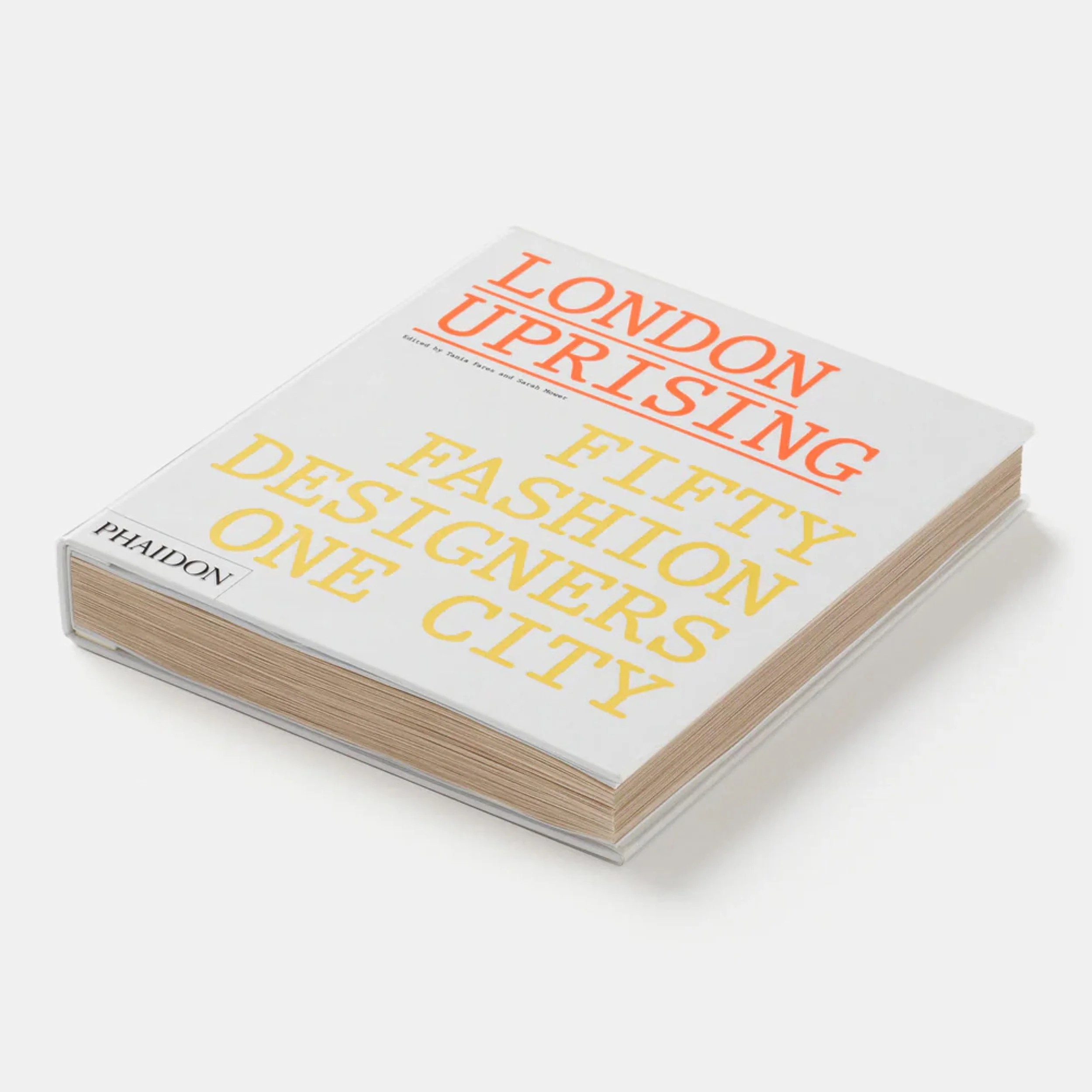
London Uprising
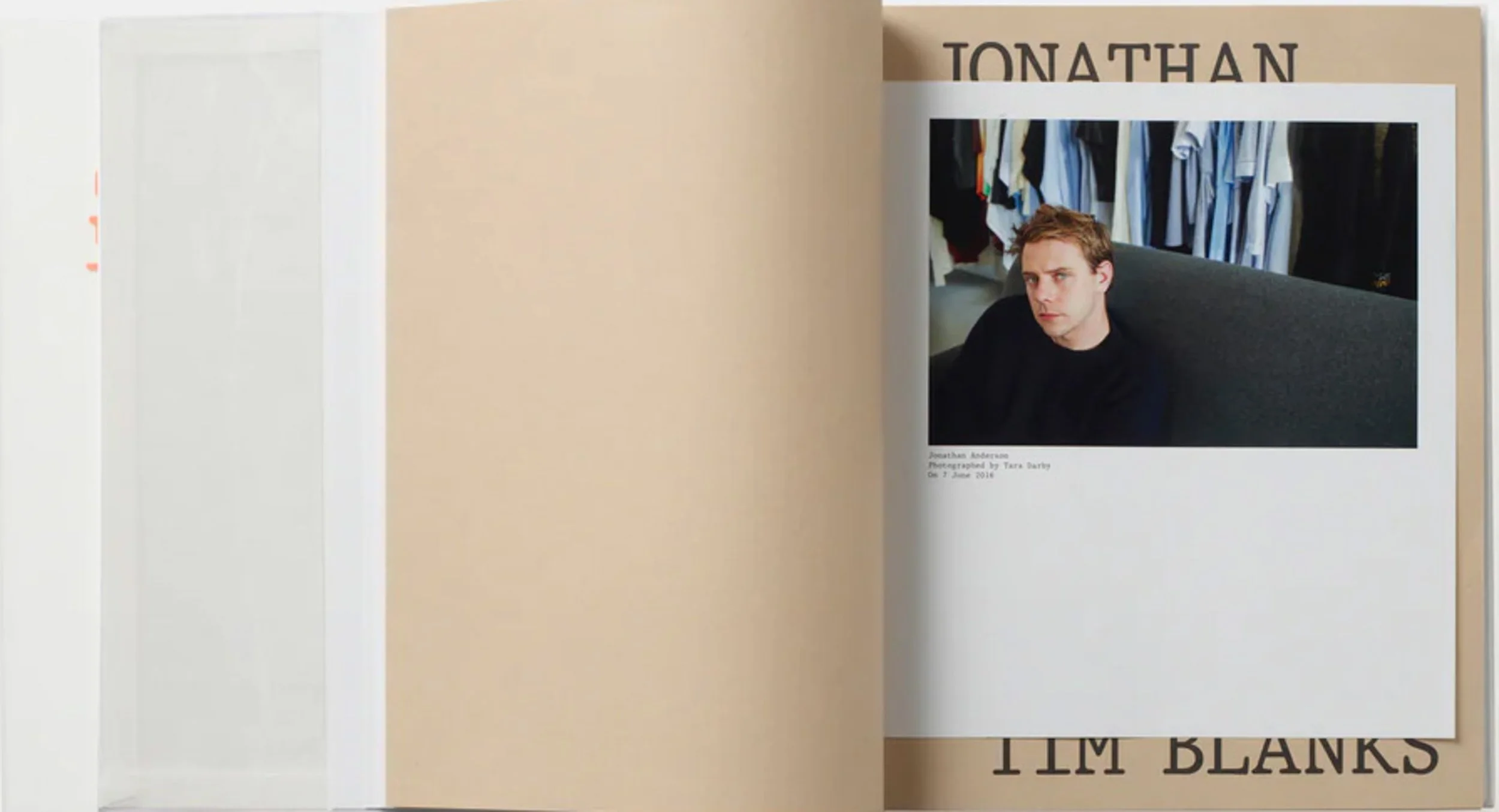
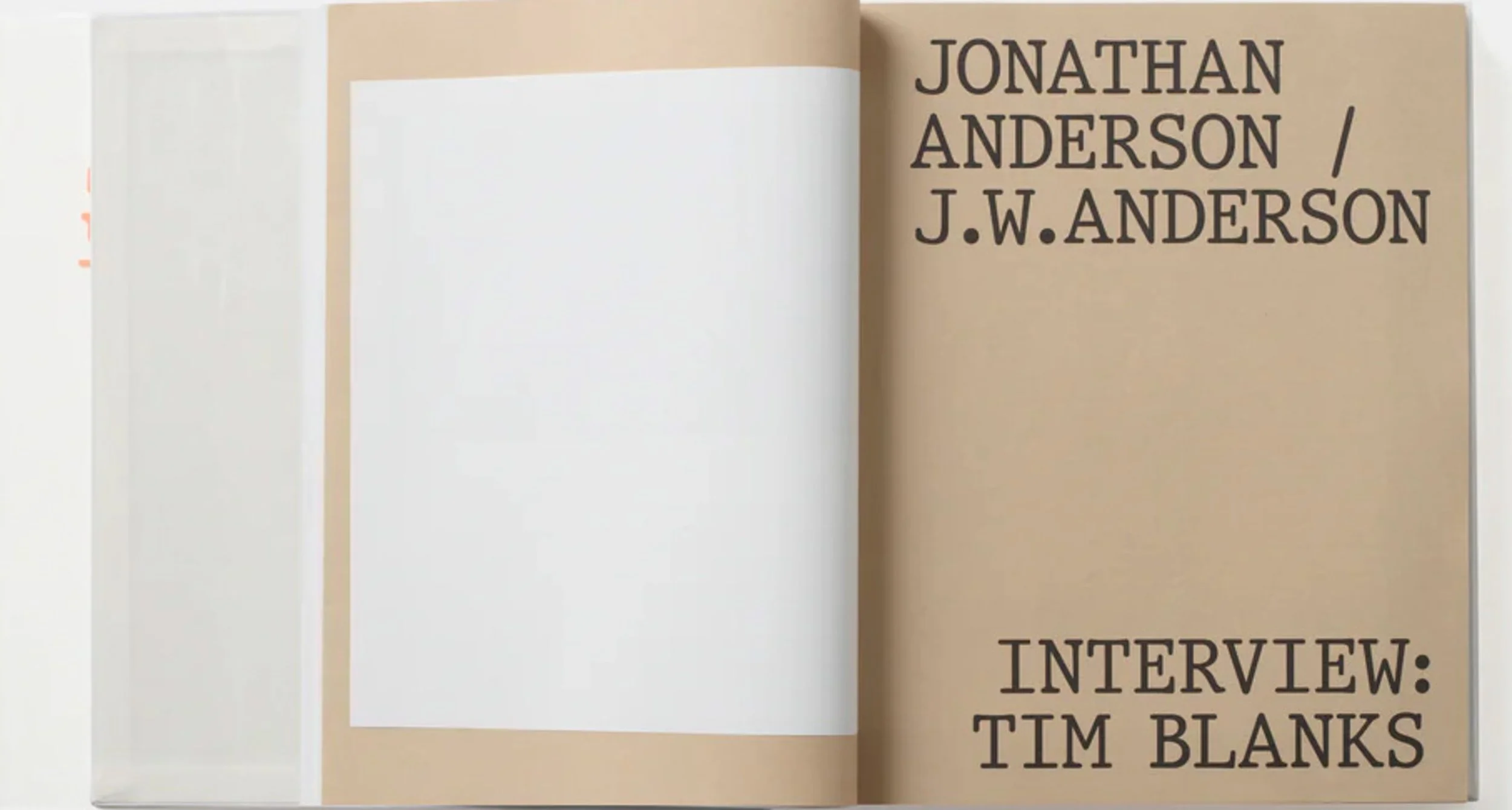
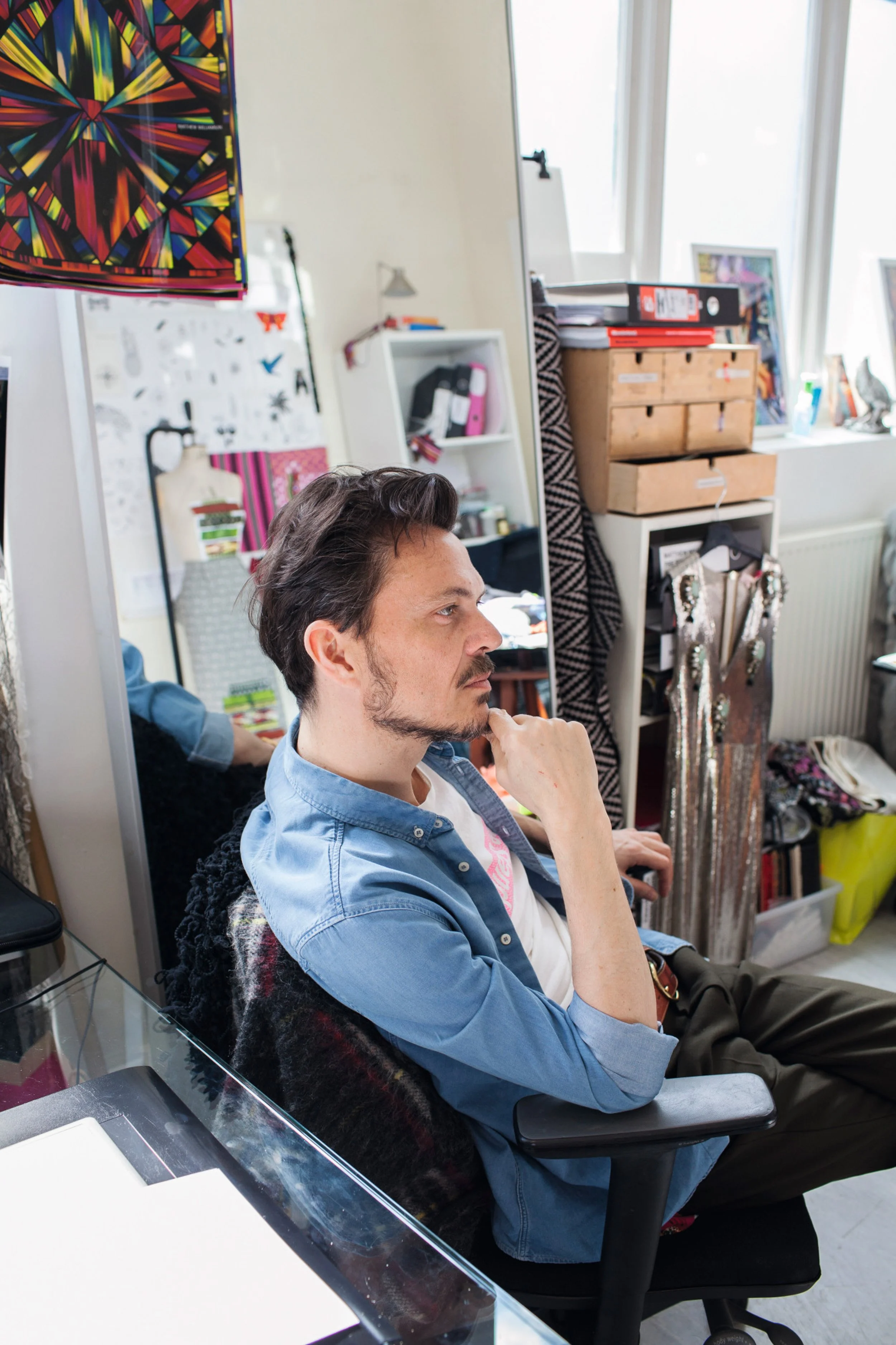
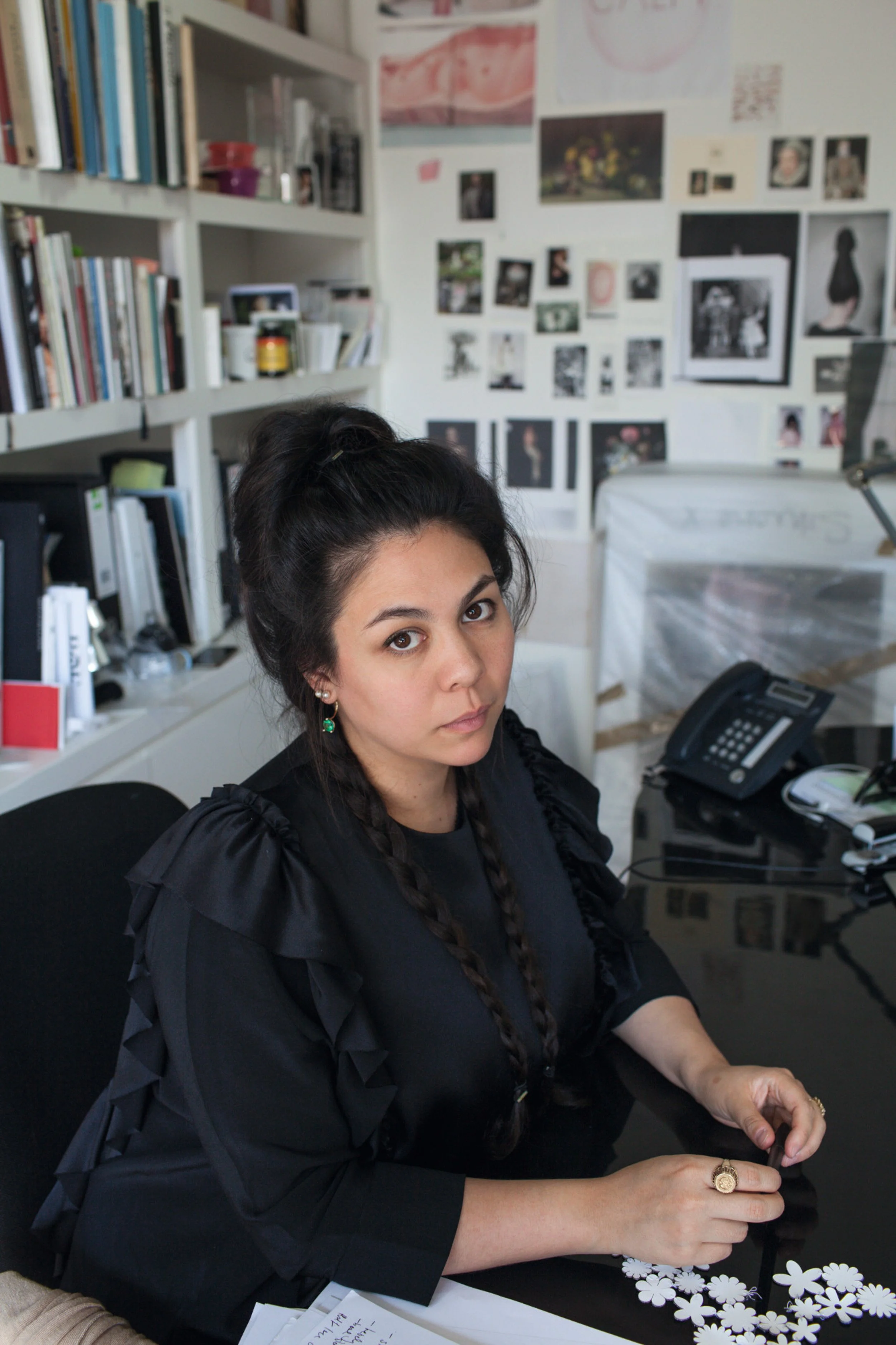
London has long been a fashion-world capital, and the past fifteen years have been an especially fertile period in its centuries-long history of setting trends. This stunning book is an all-access pass into the world of designer fashion - an exclusive behind-the-scenes studio tour that calls in on fifty of the city's leading design talents - London-based global superstars - all of whom open up about their practice and philosophy, and share a wealth of images from their private collections.
Designed by DJA
Publisher
Phaidon
Year
2016
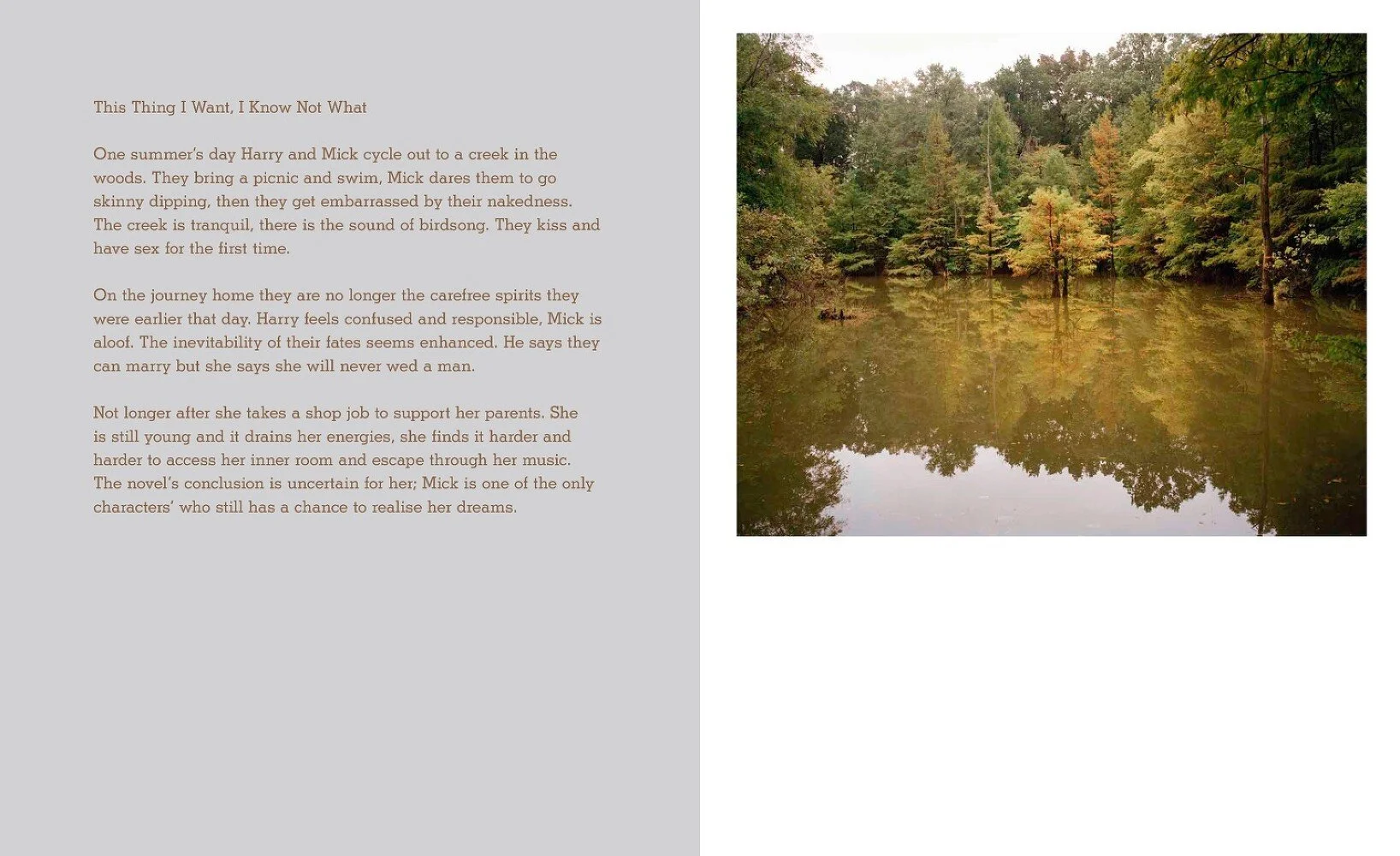
A Literary Journey: The Heart Is a Lonely Hunter
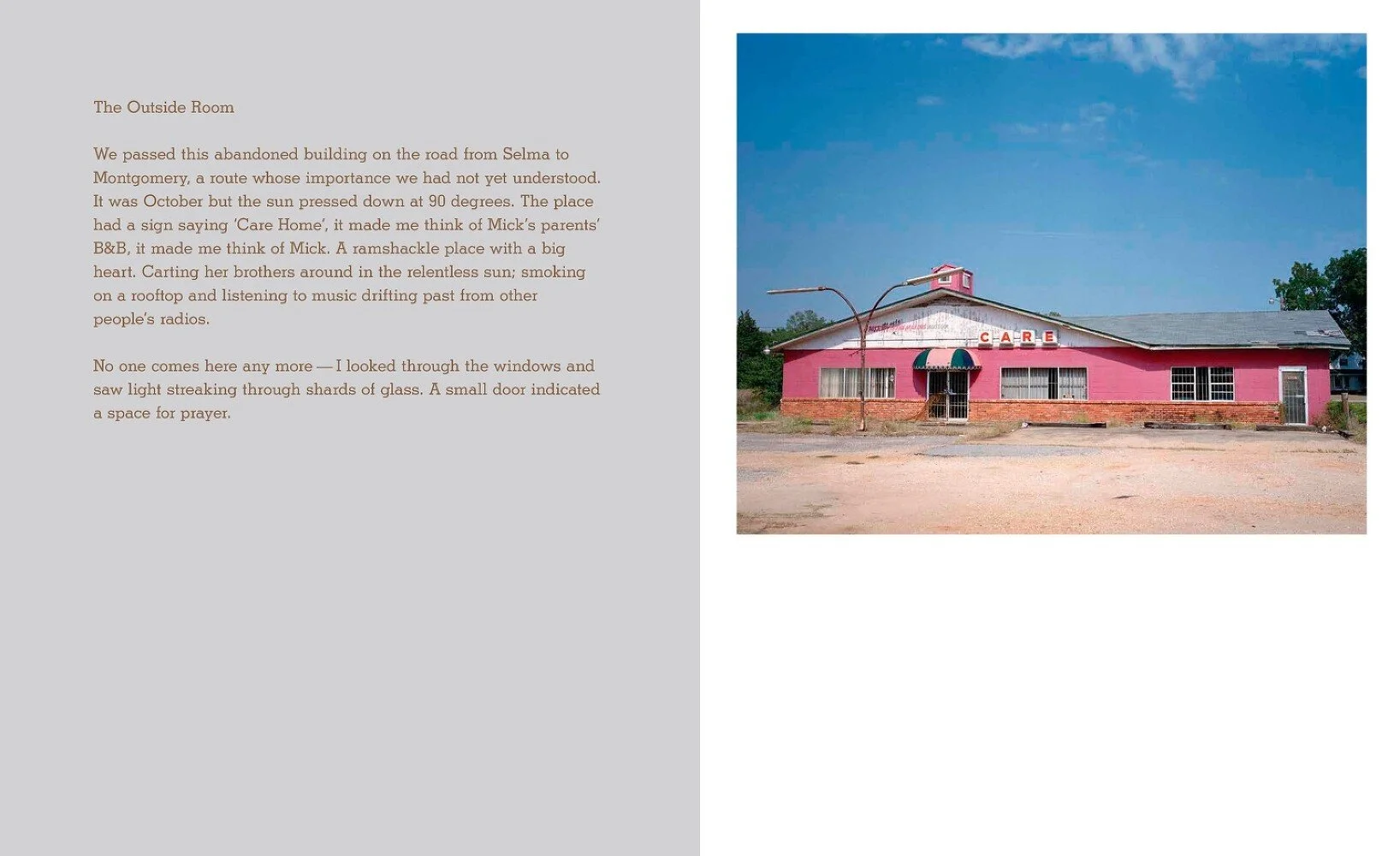
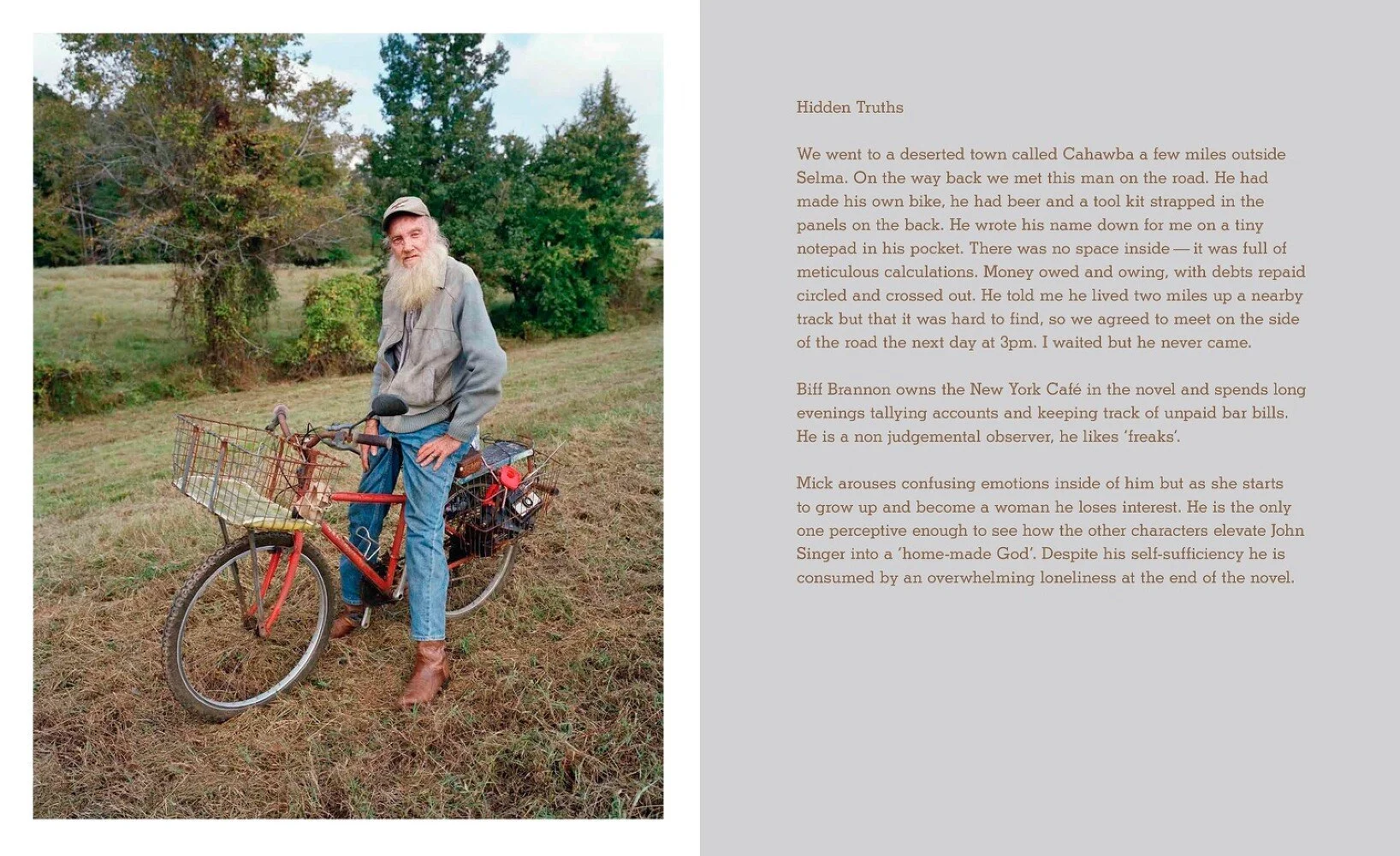
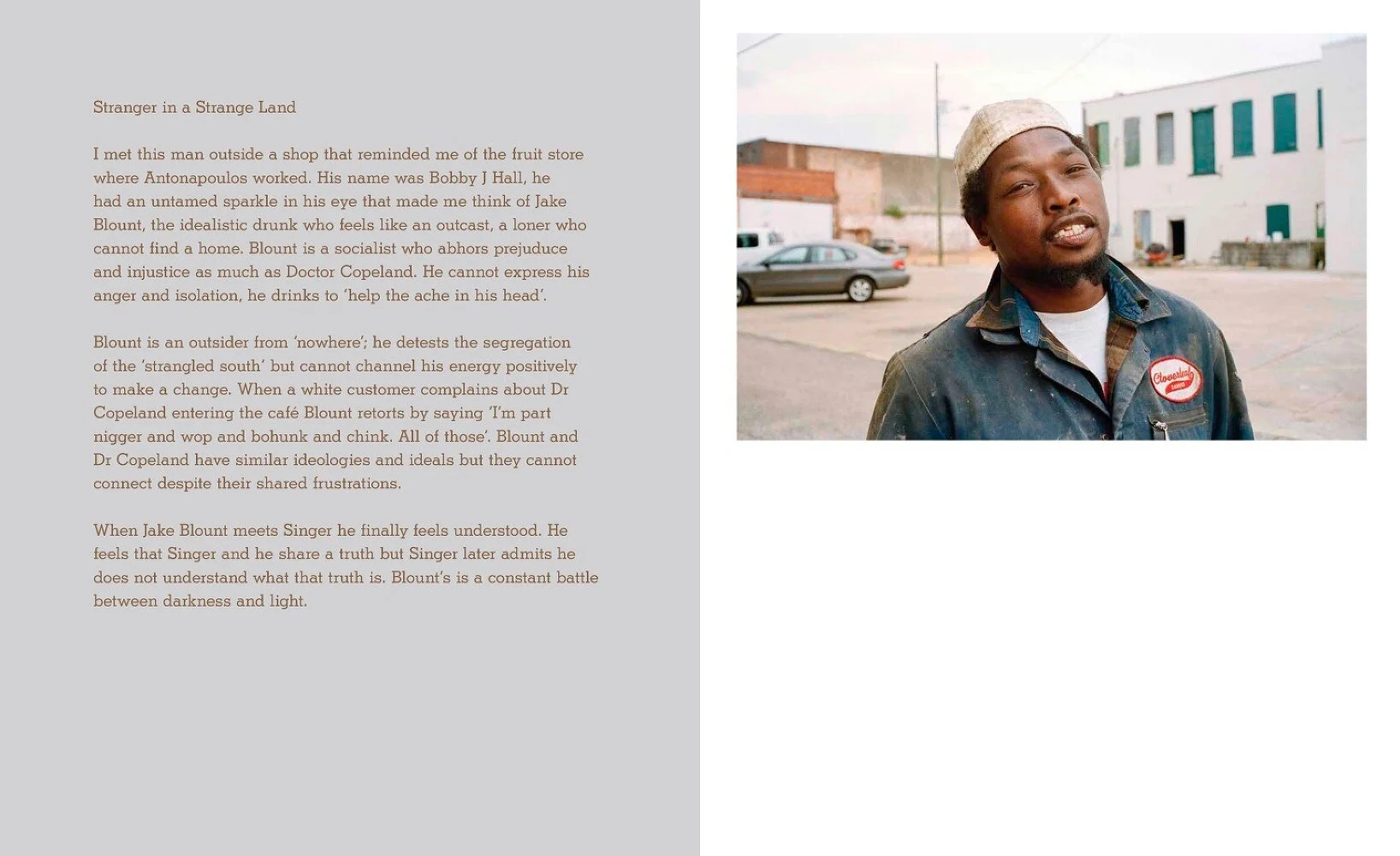
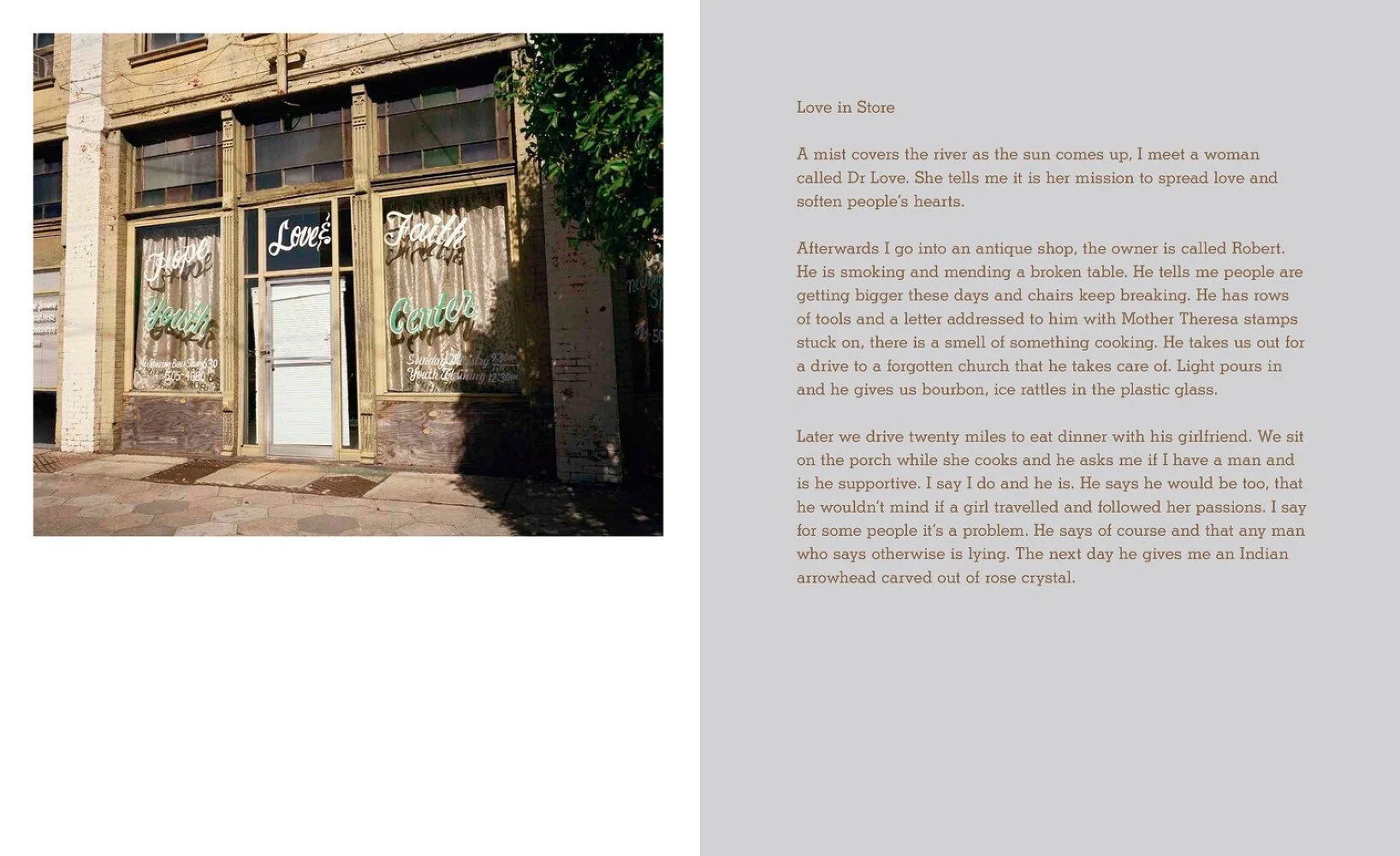
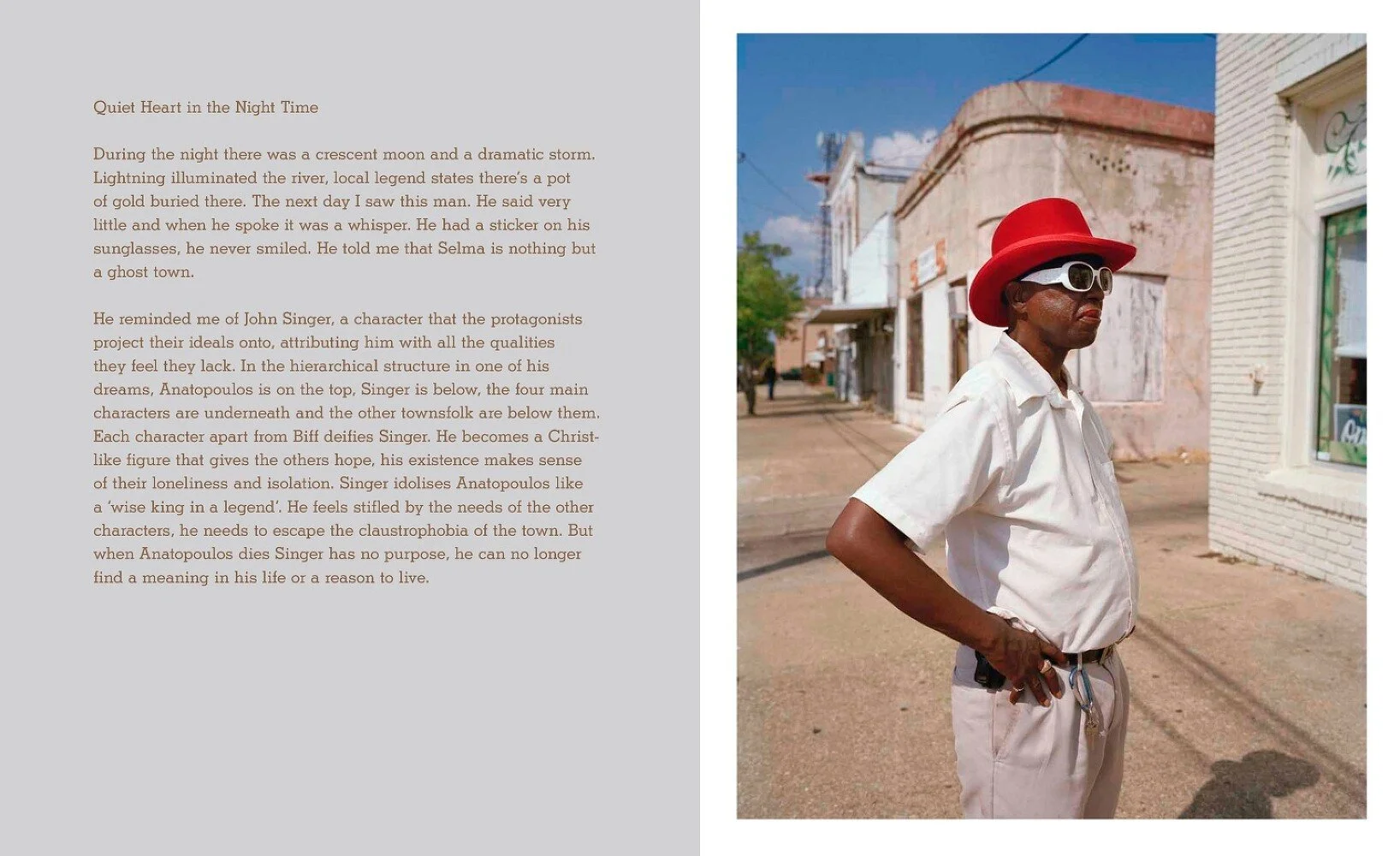
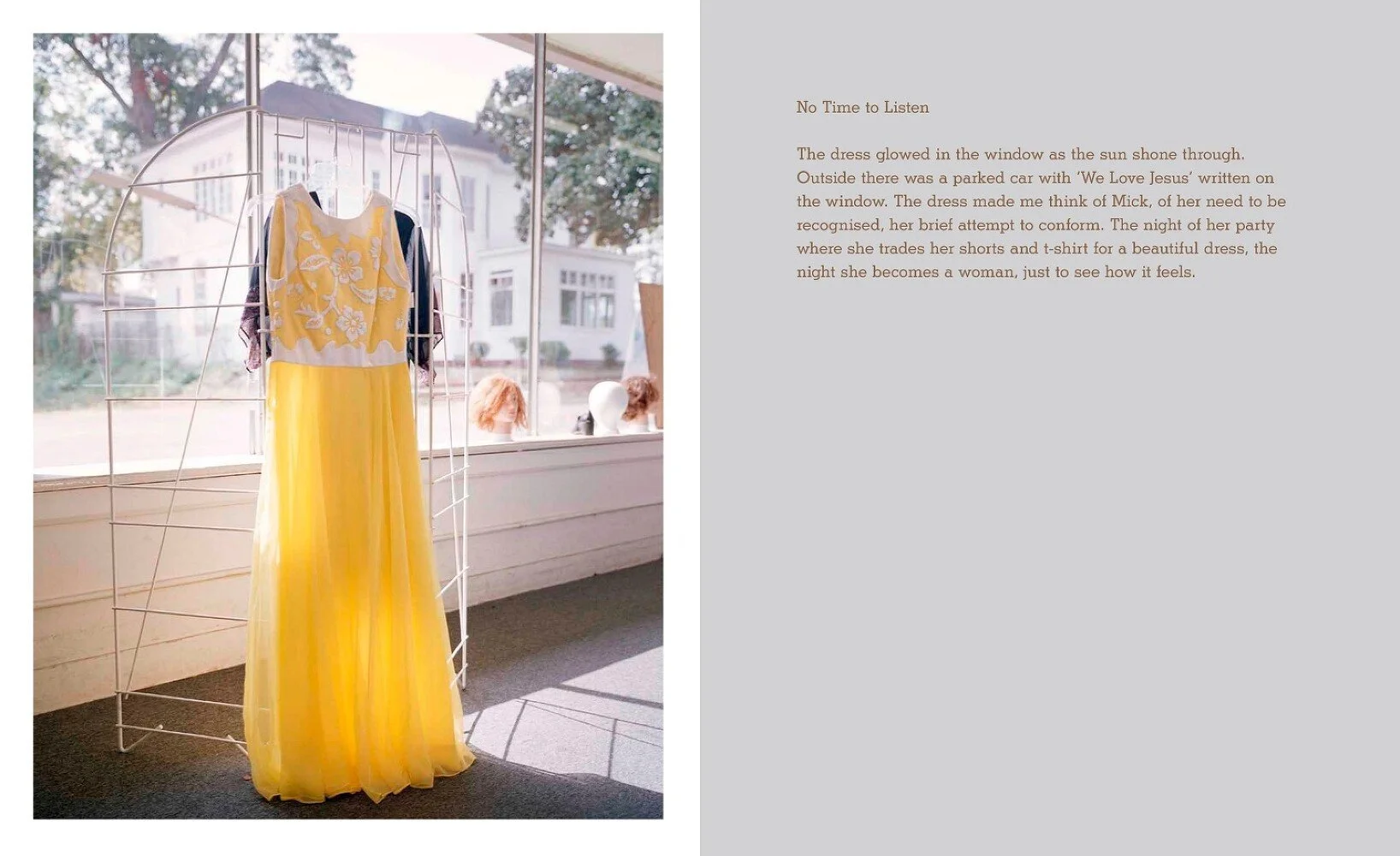
Darby’s Literary Journey series recounts her travels through towns and cities used as settings in books of American 20th century literature. The journey featured in this publication takes her to the American South to follow the plot and locations of Carson McCullers’ 1940 novel “The Night is a Lonely Hunter”. The story centers on the experiences of a deaf man, John Singer, and the people he meets in a 1930s mill town. It was the first in a string of works by McCullers to give voice to the rejected, forgotten, mistreated and oppressed.
Darby’s poignant images are accompanied by bursts of her own diaristic text which connect the experiences she has on her road trip with the text of the novel.
Designed by Ben Weaver
Publisher
Miniature Love
Year
2011
Waves
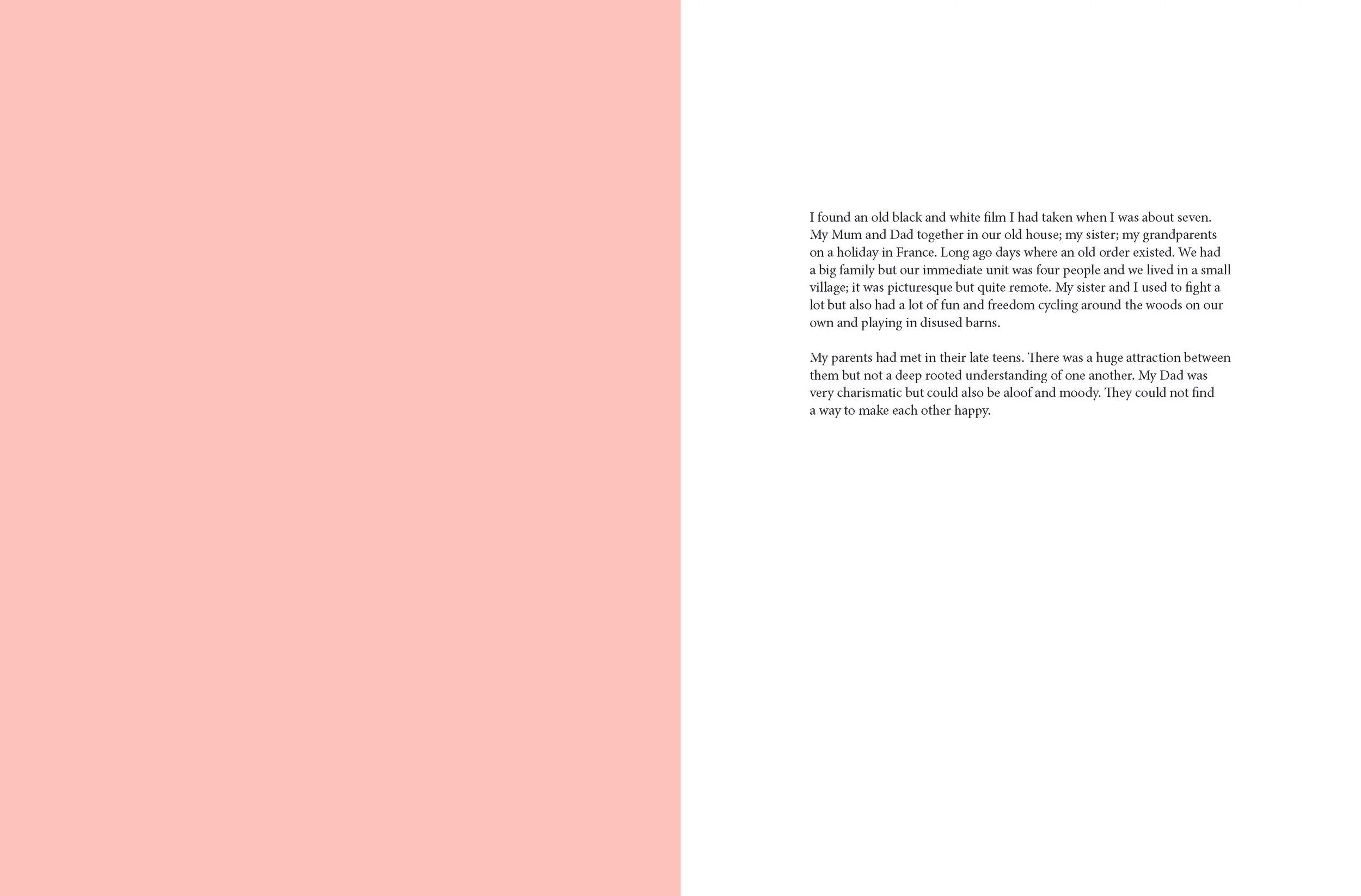
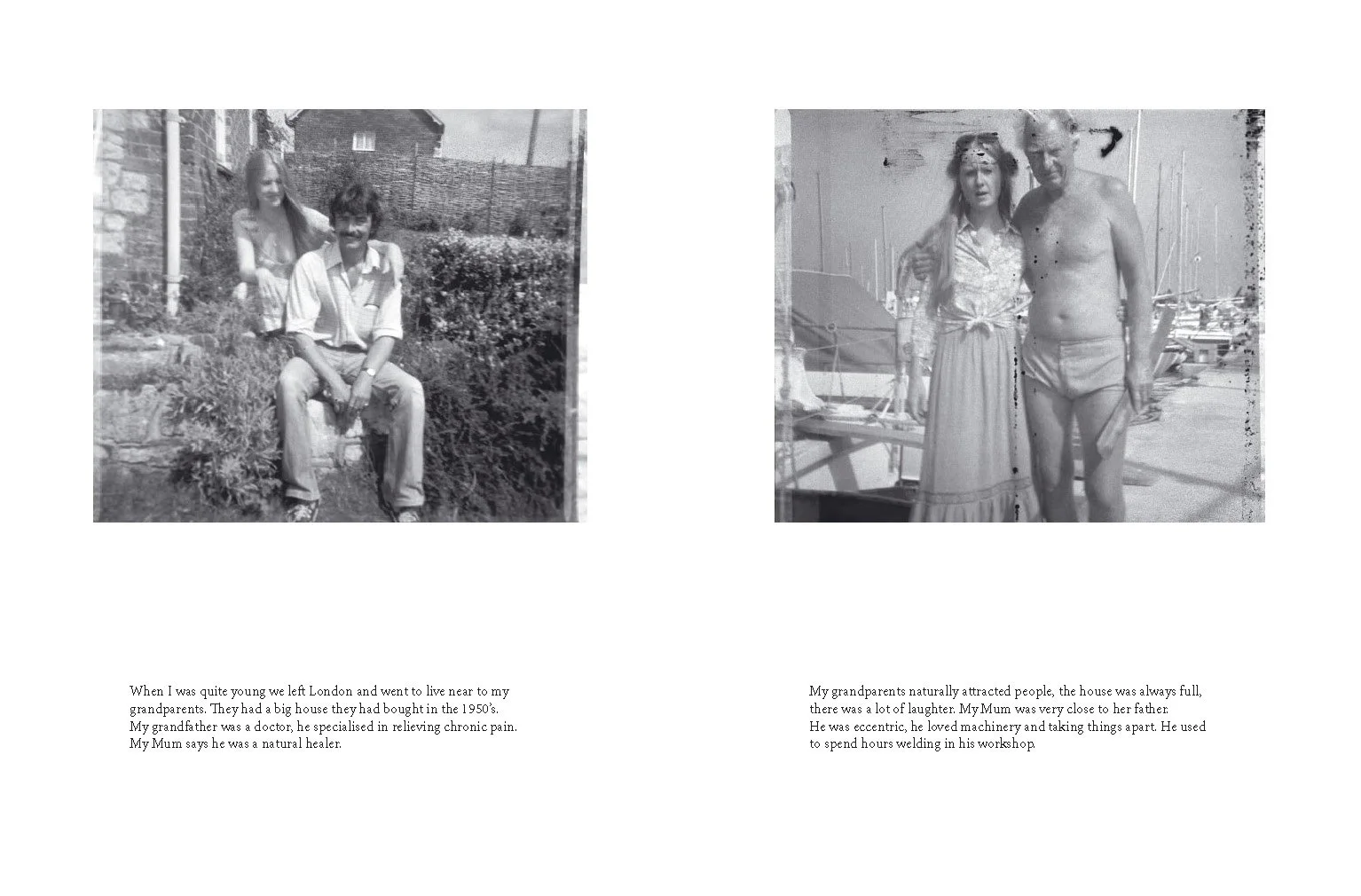
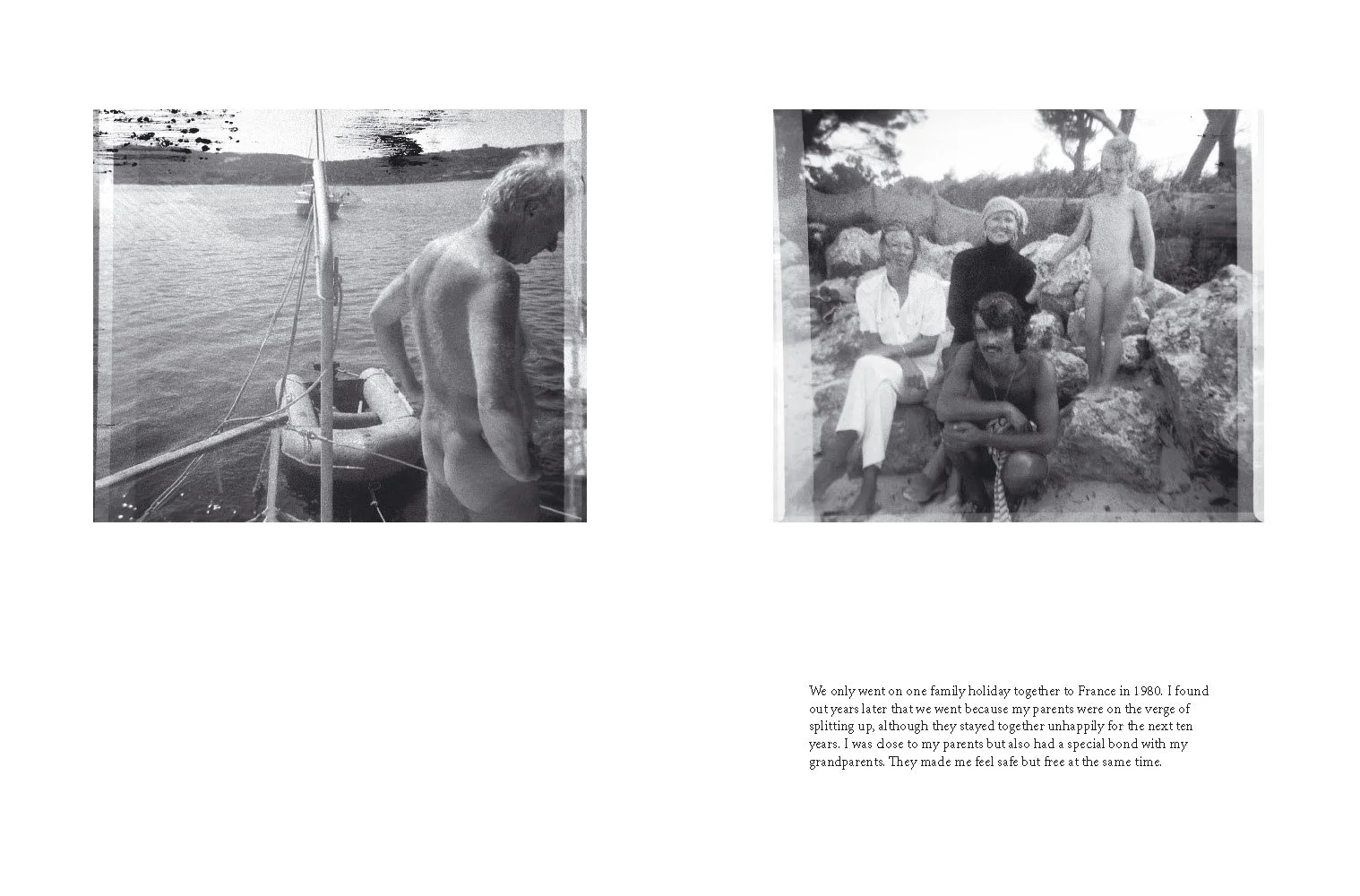
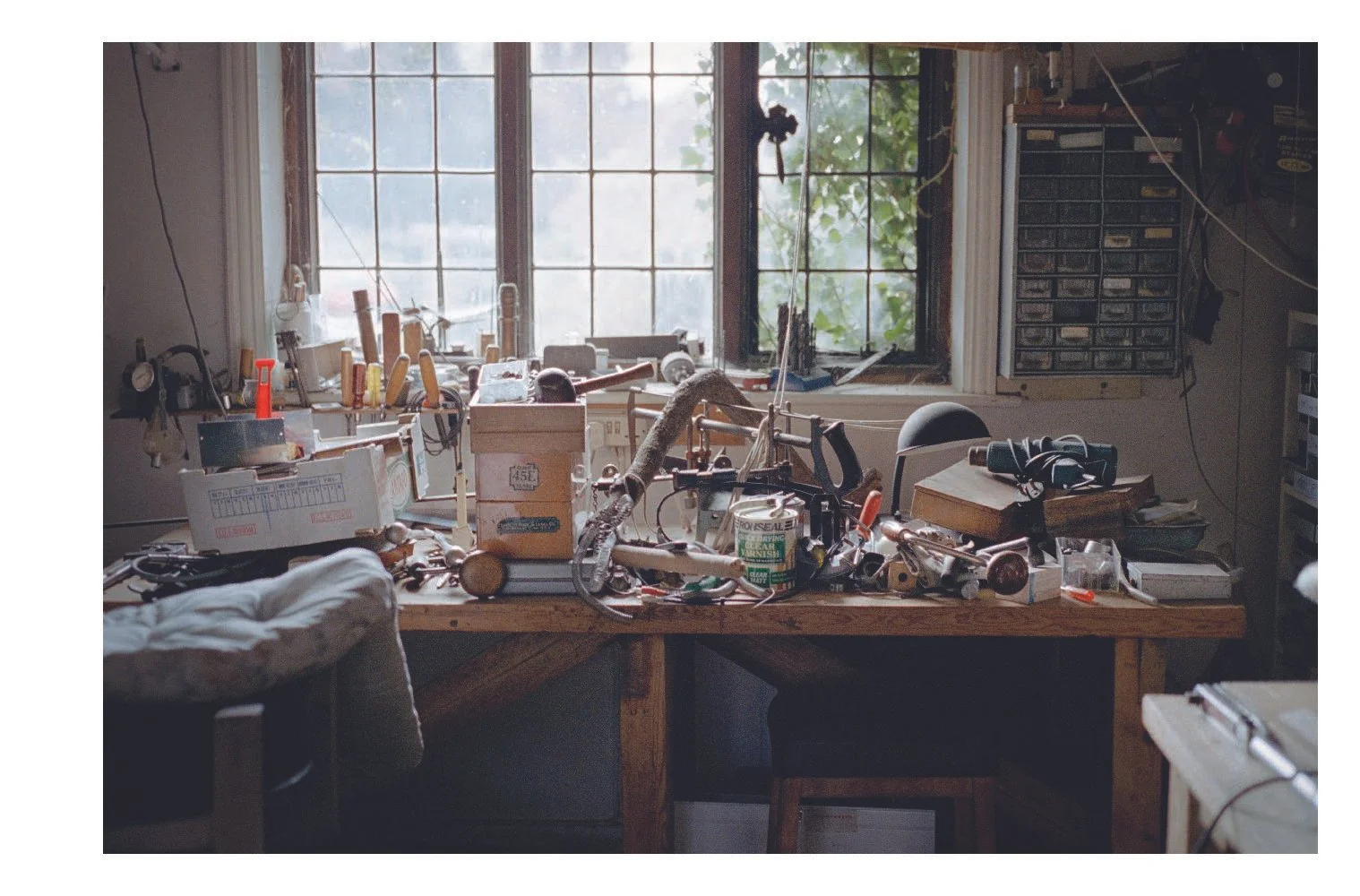
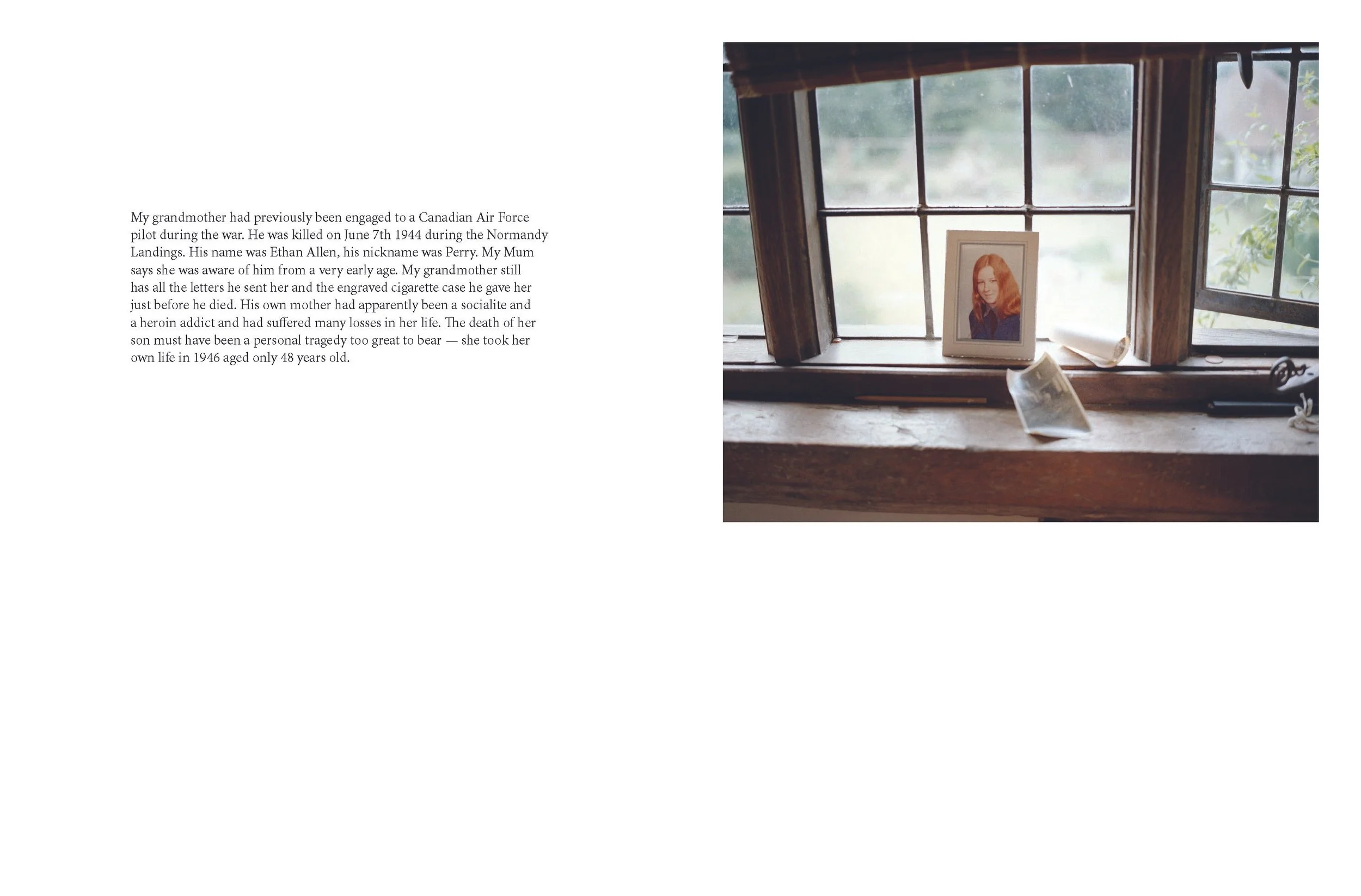
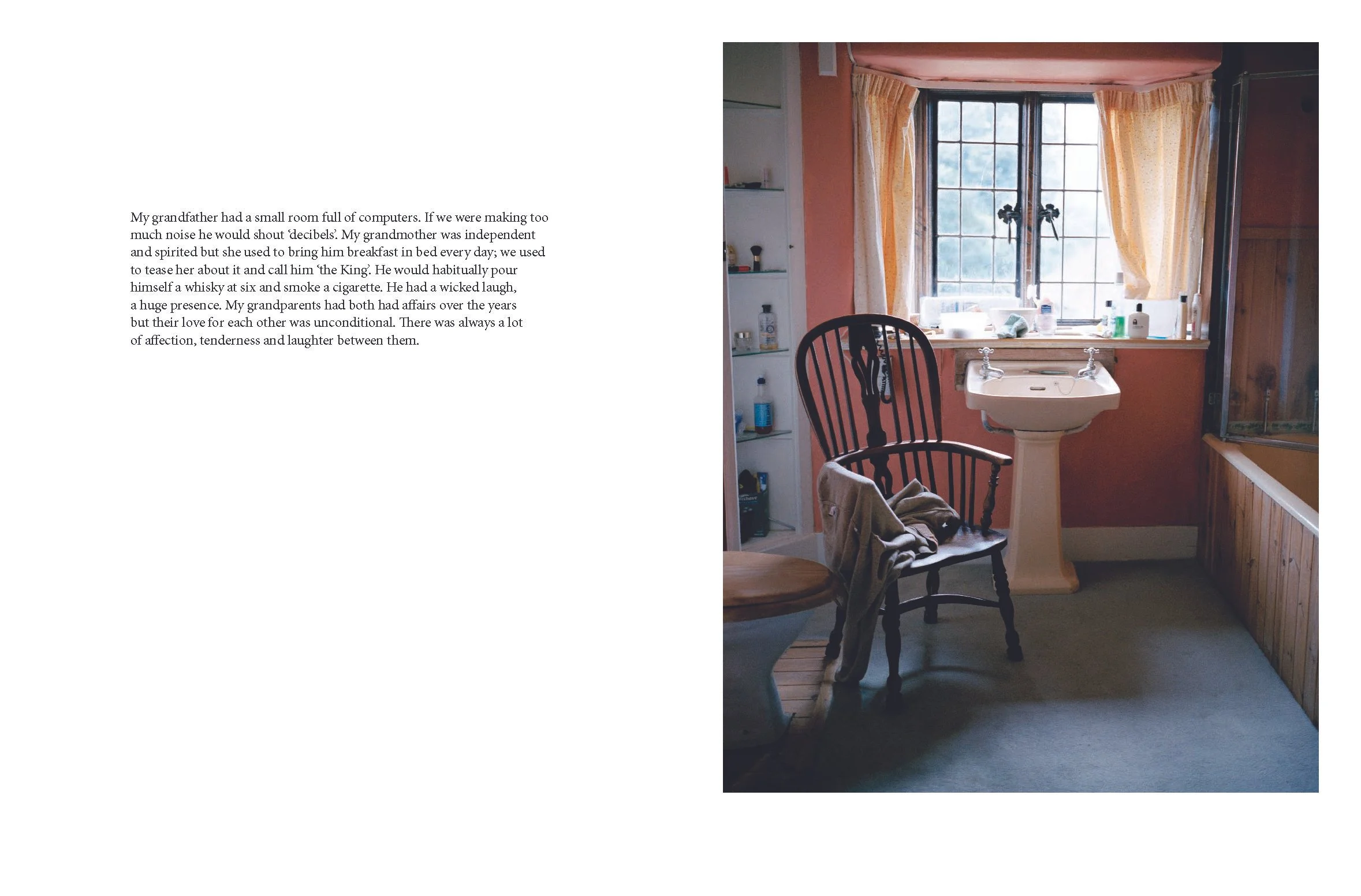
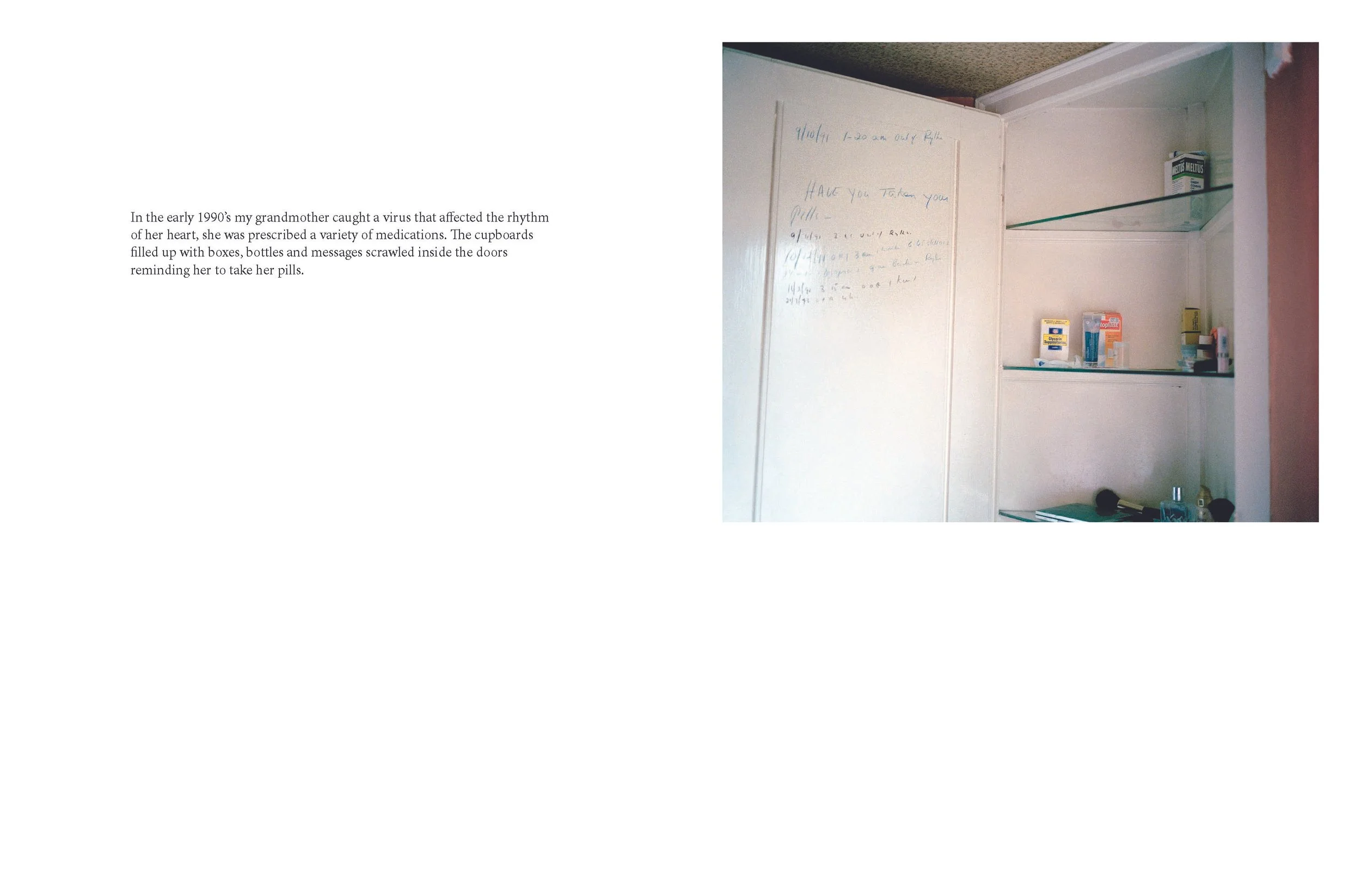
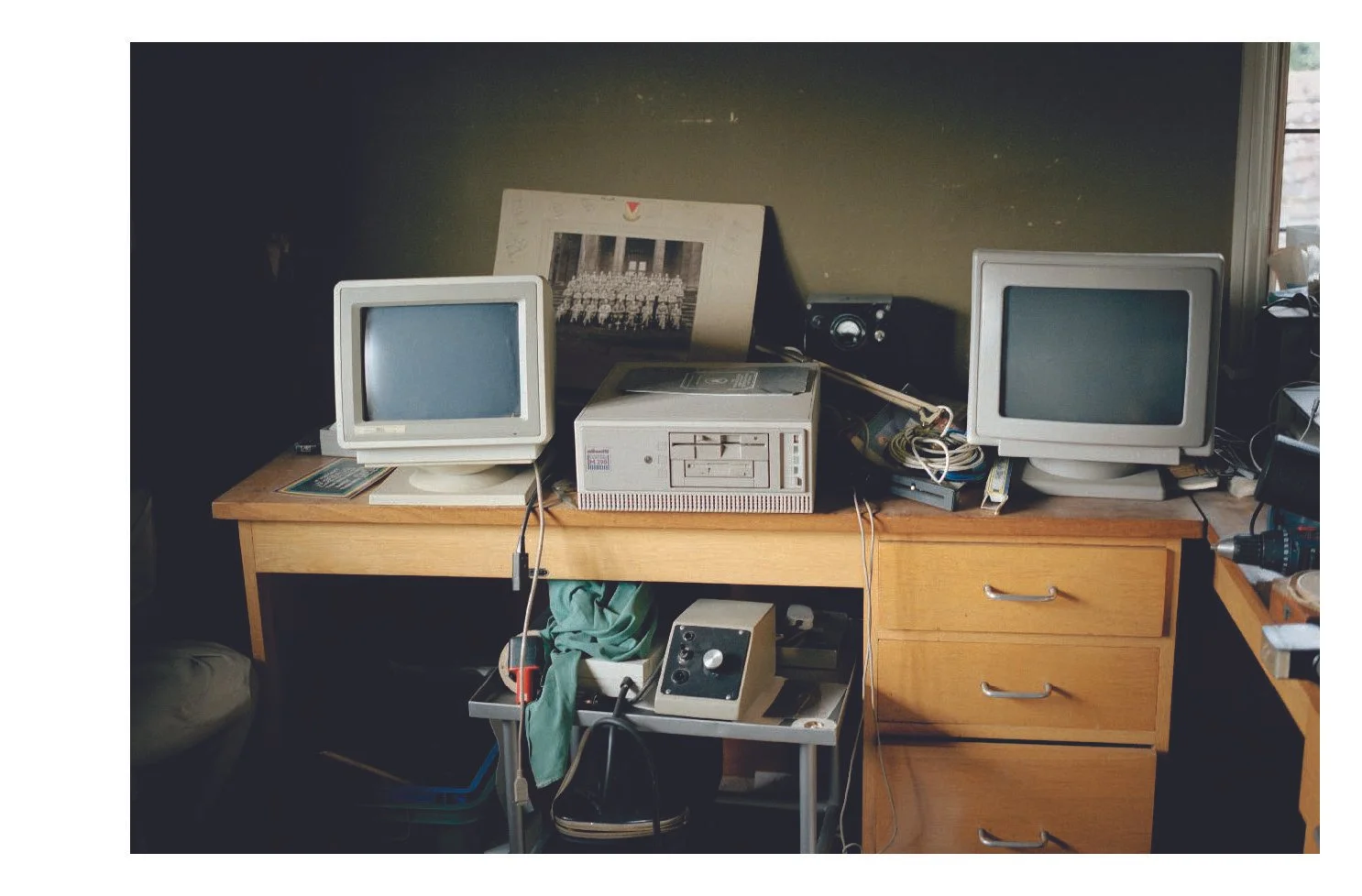
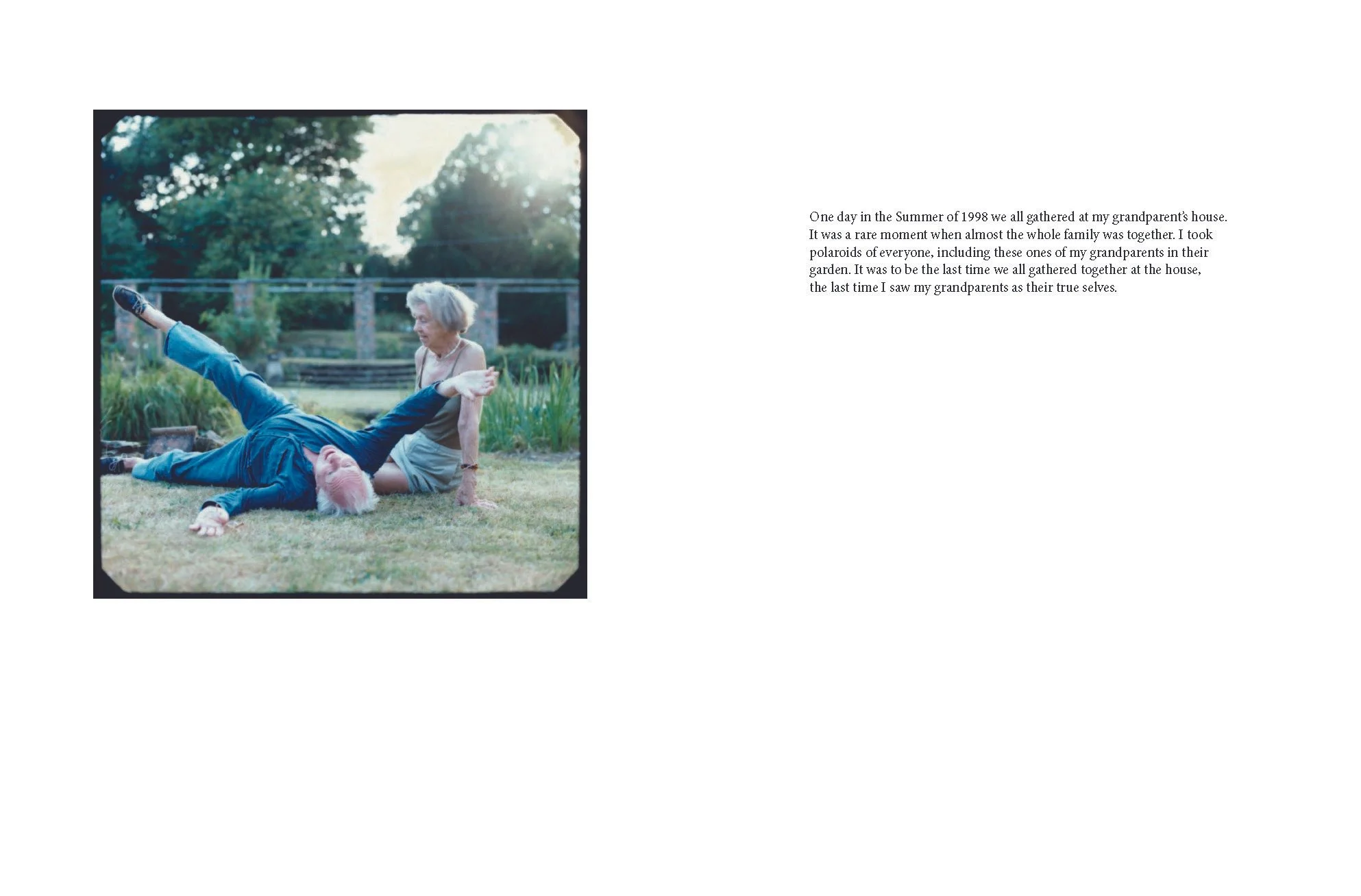
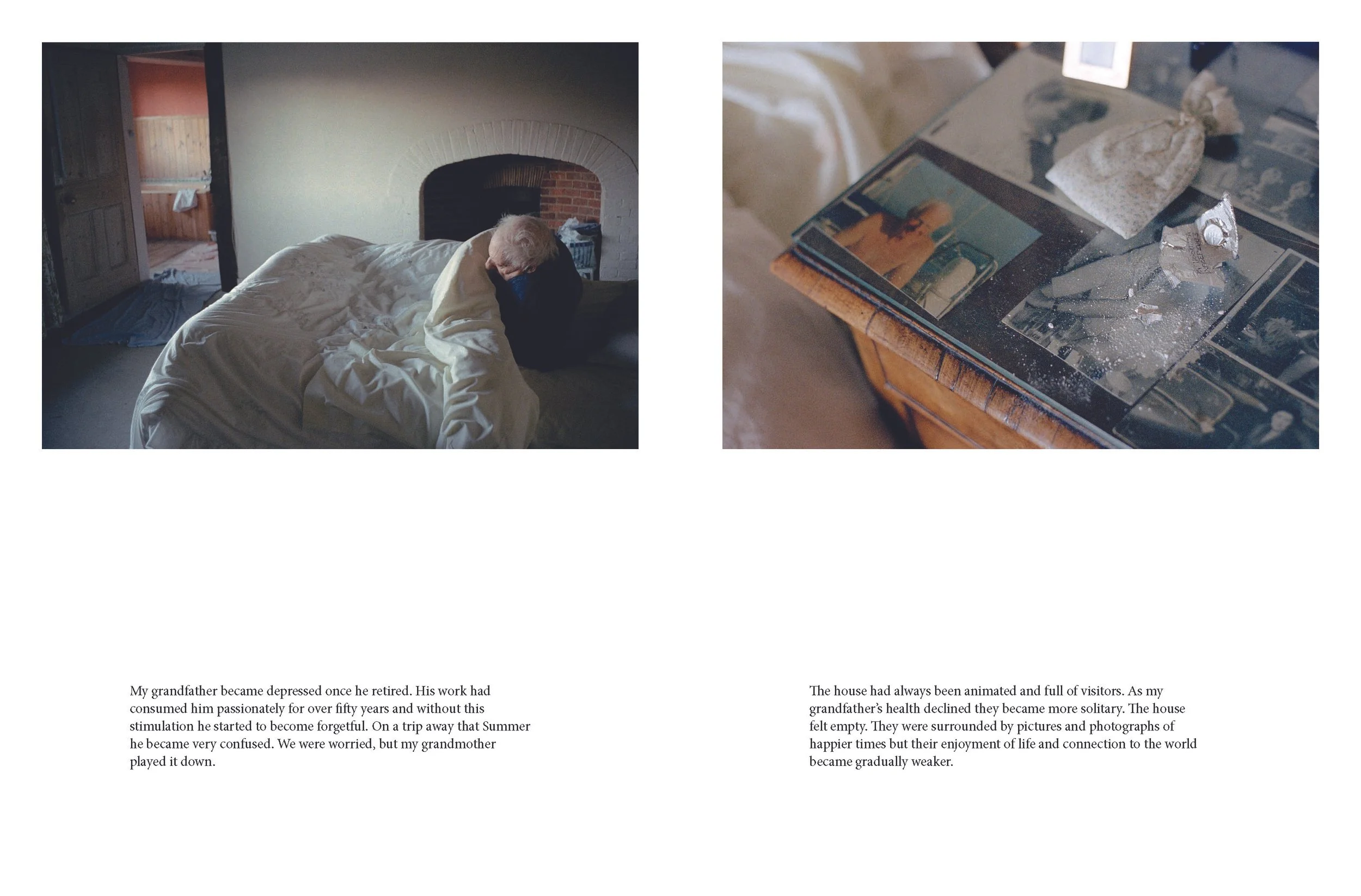
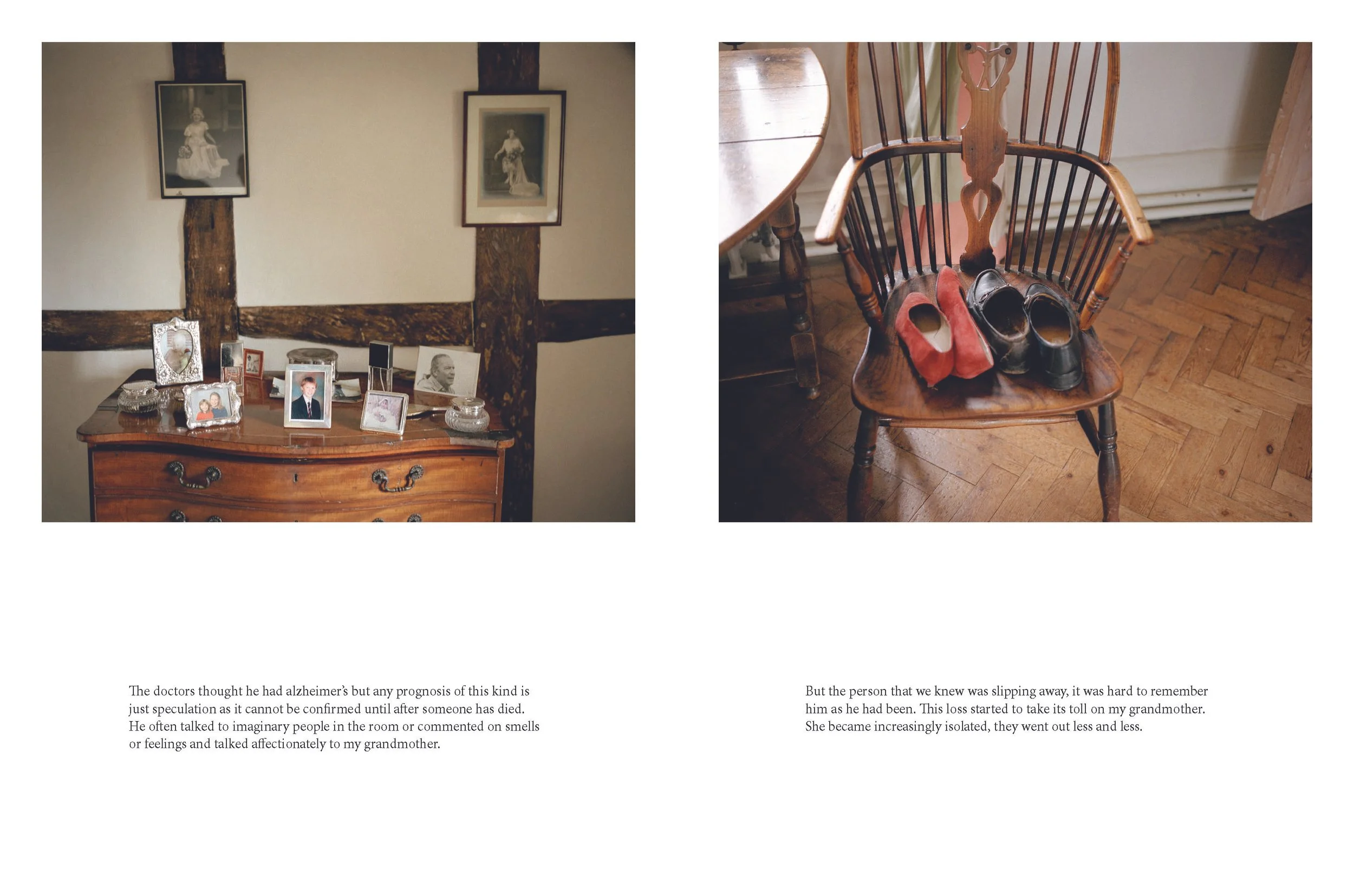
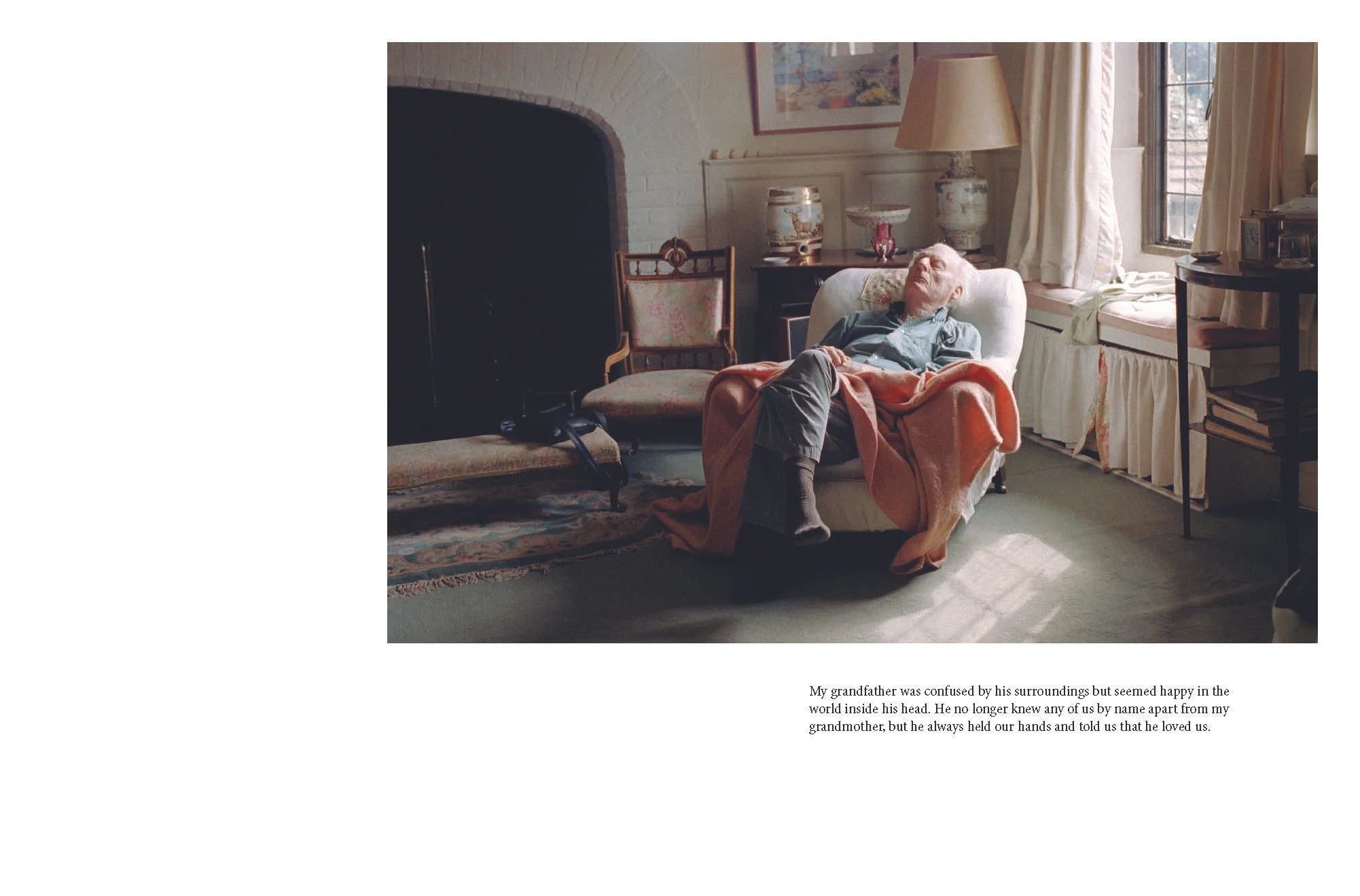
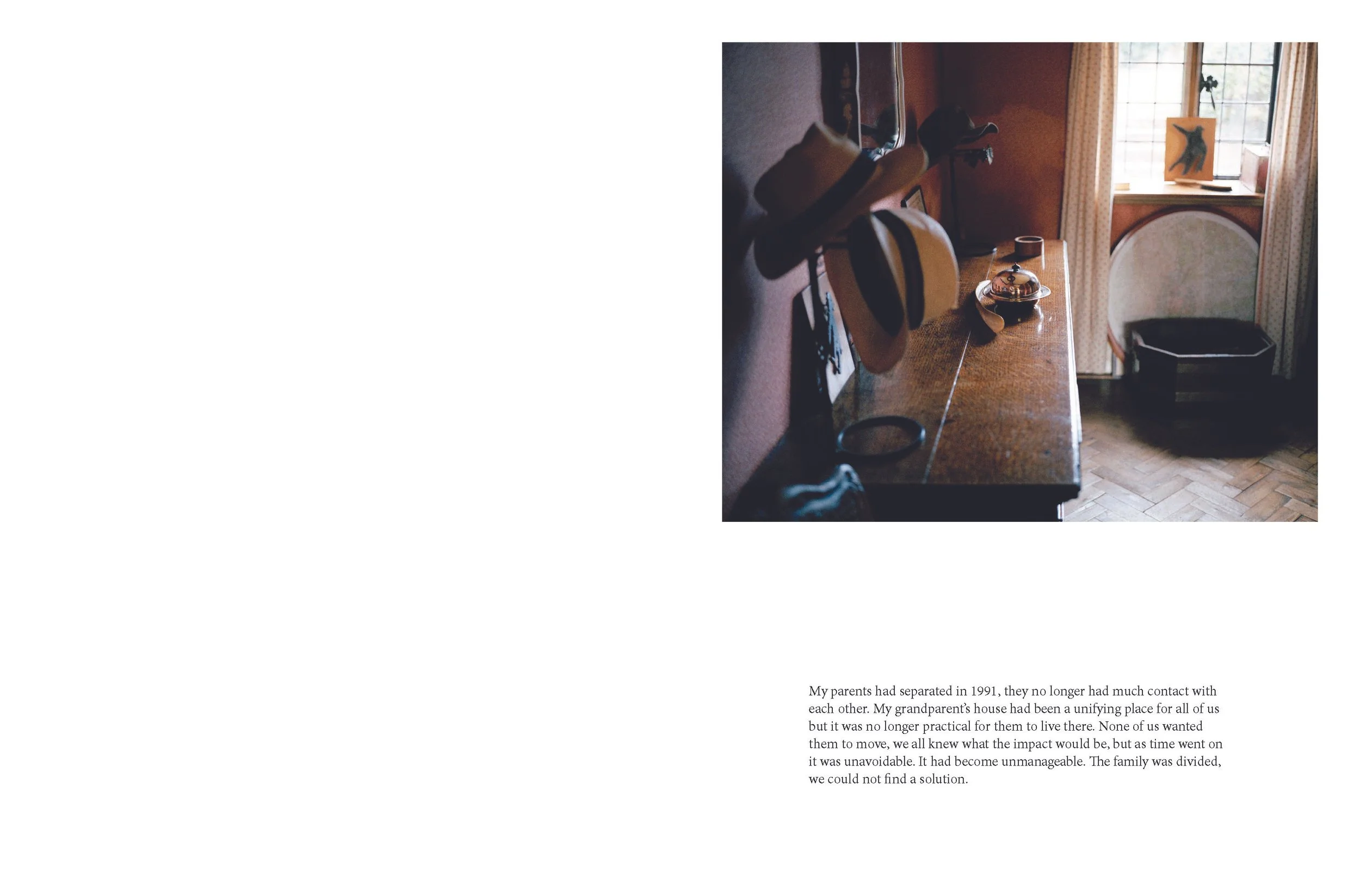
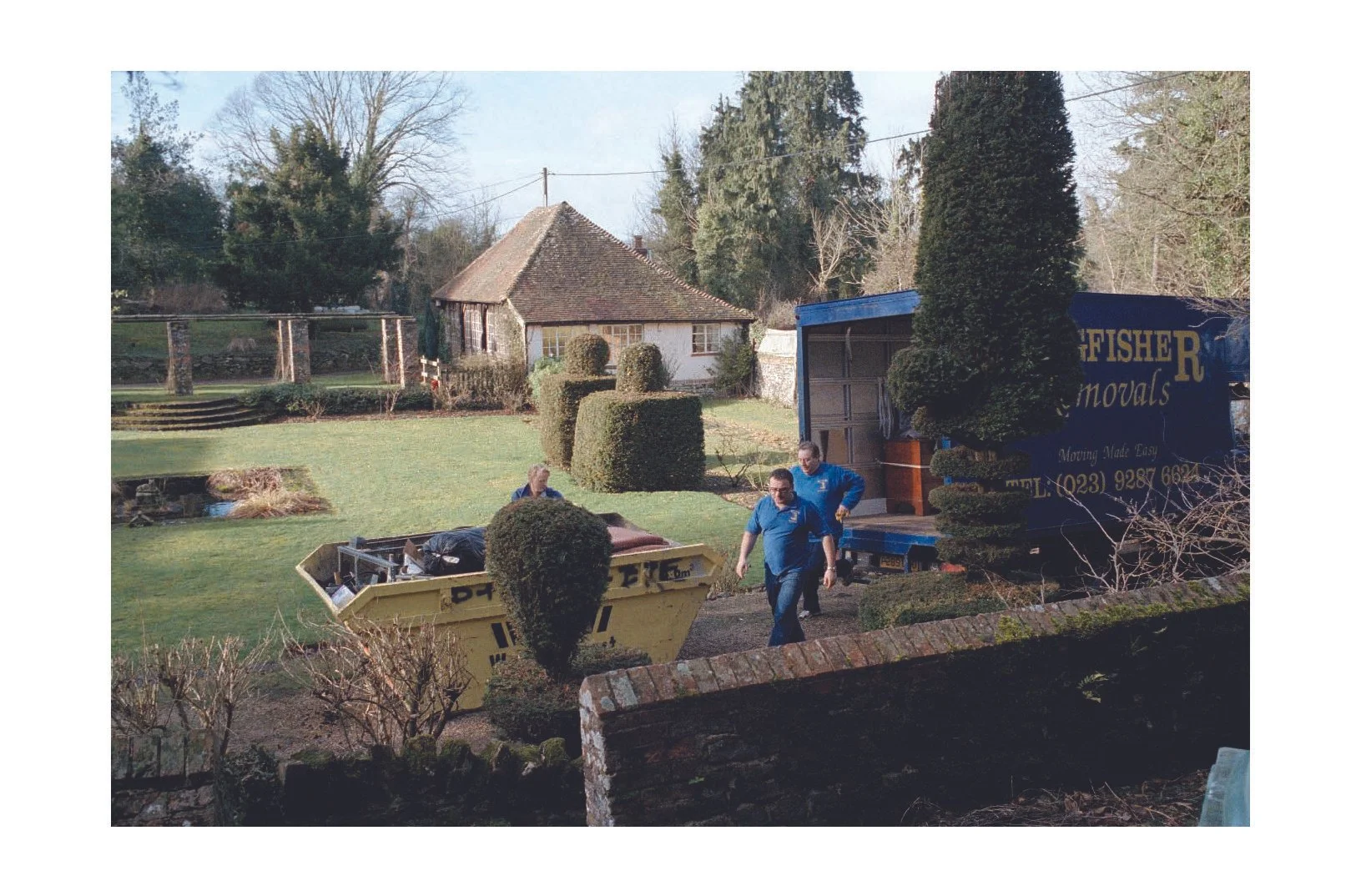
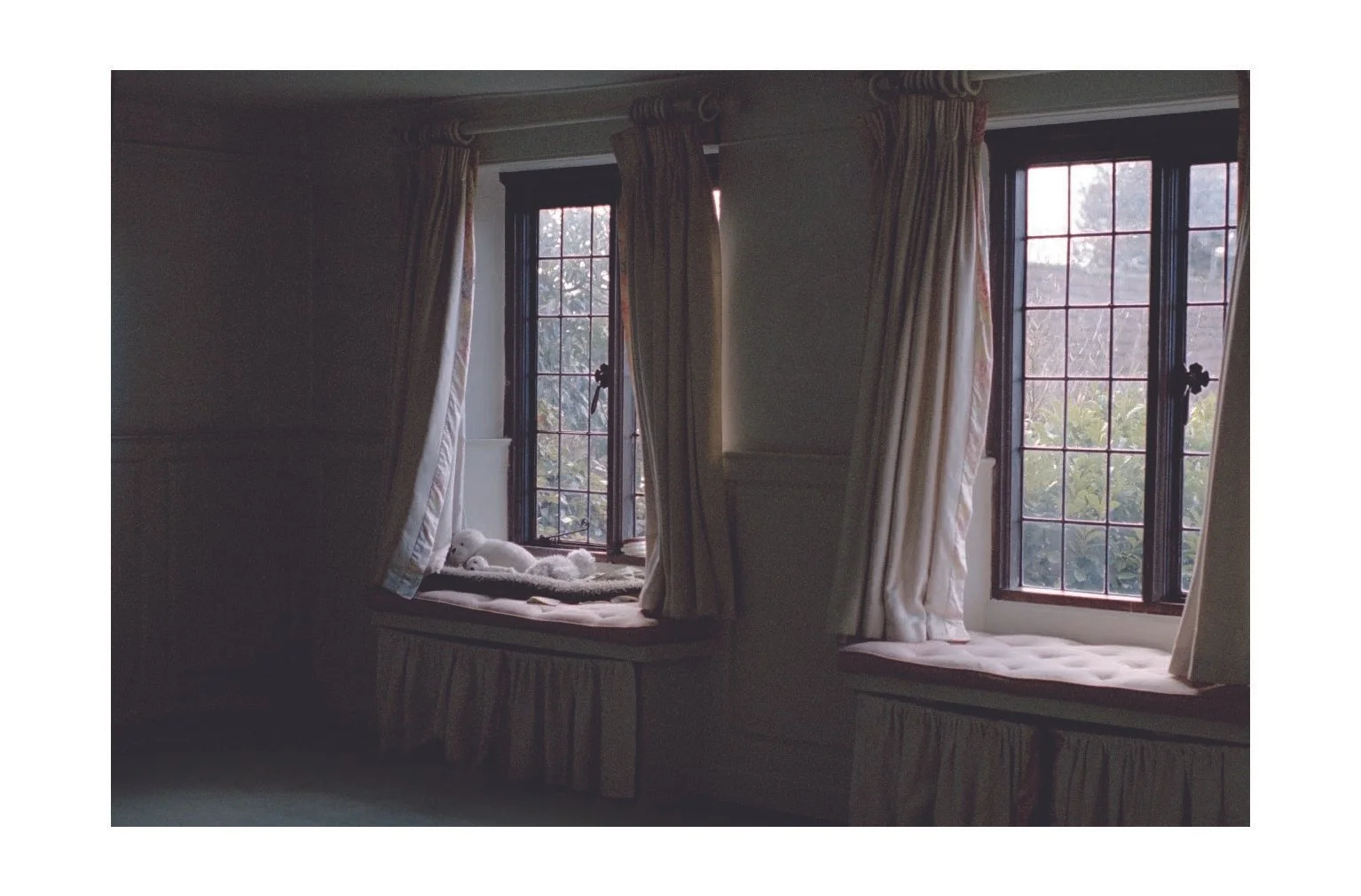
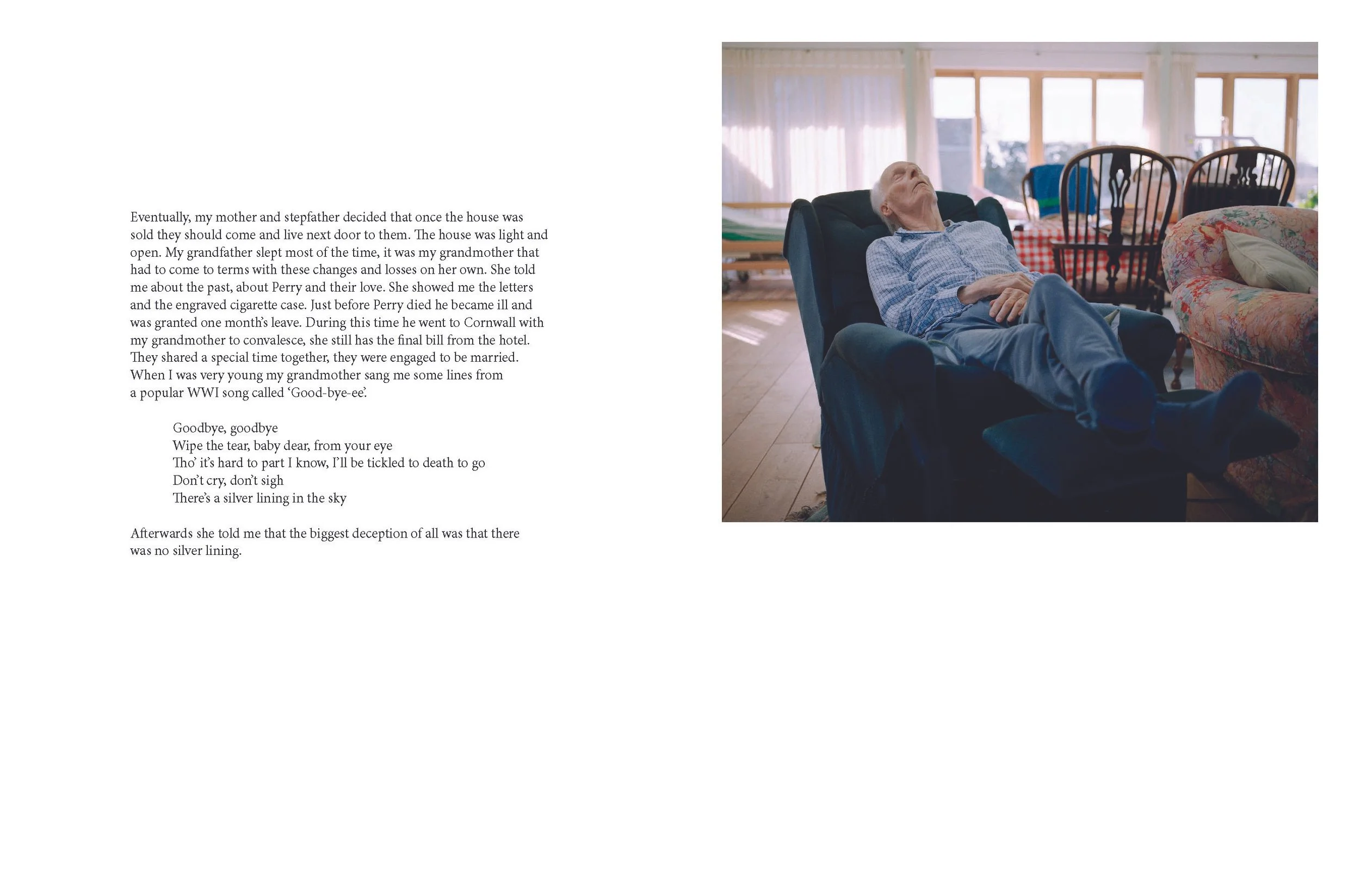
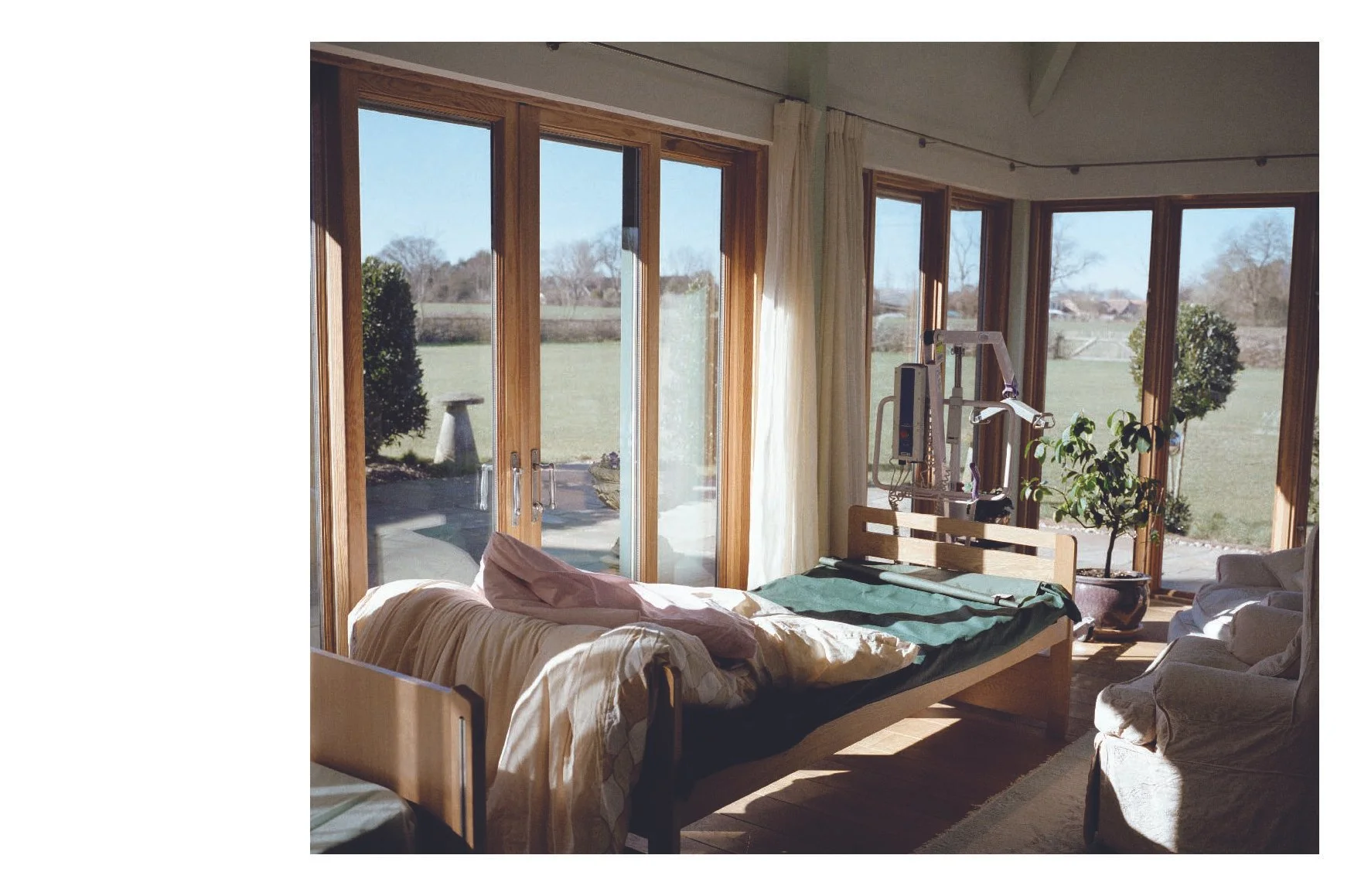
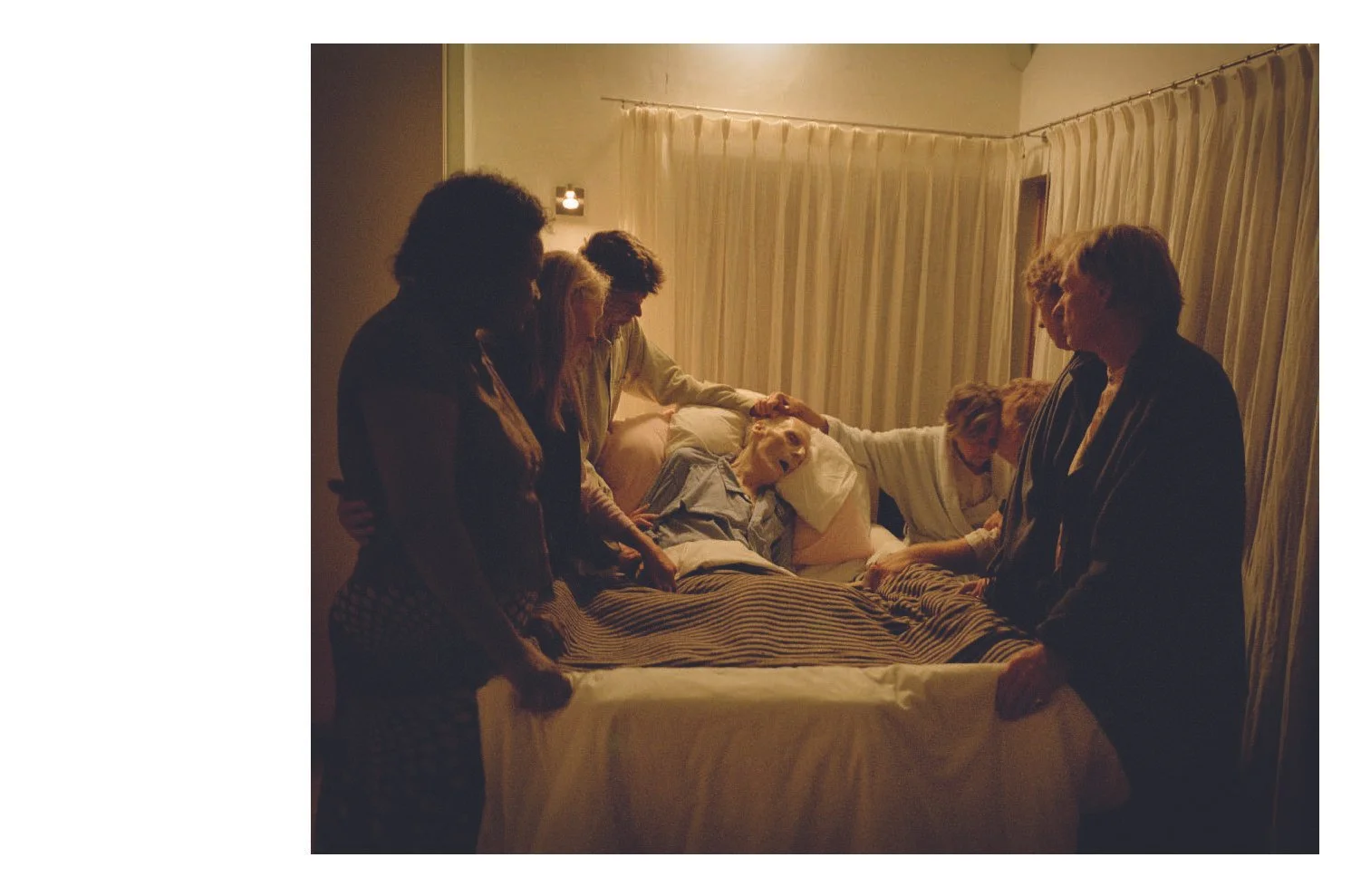
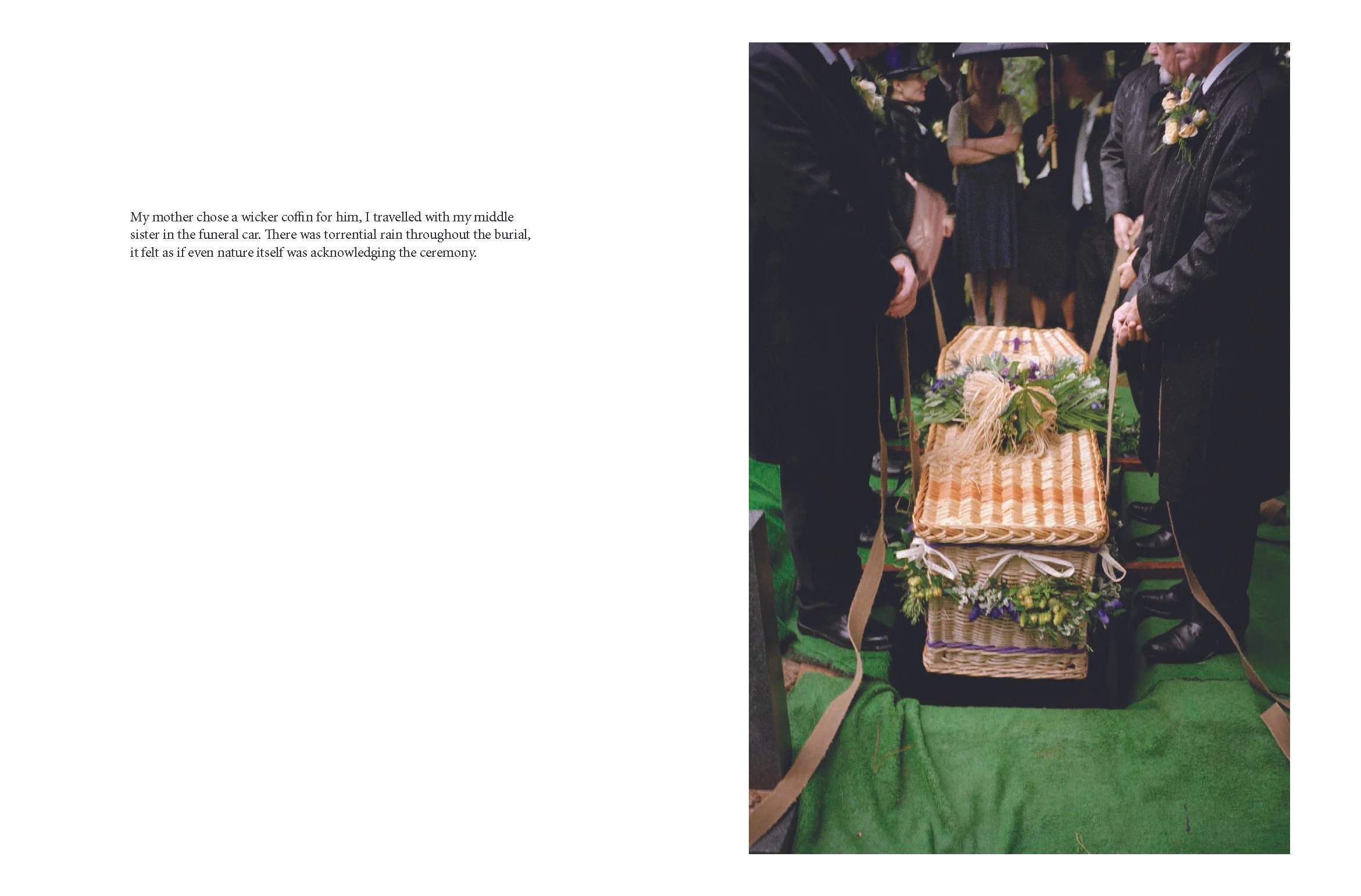
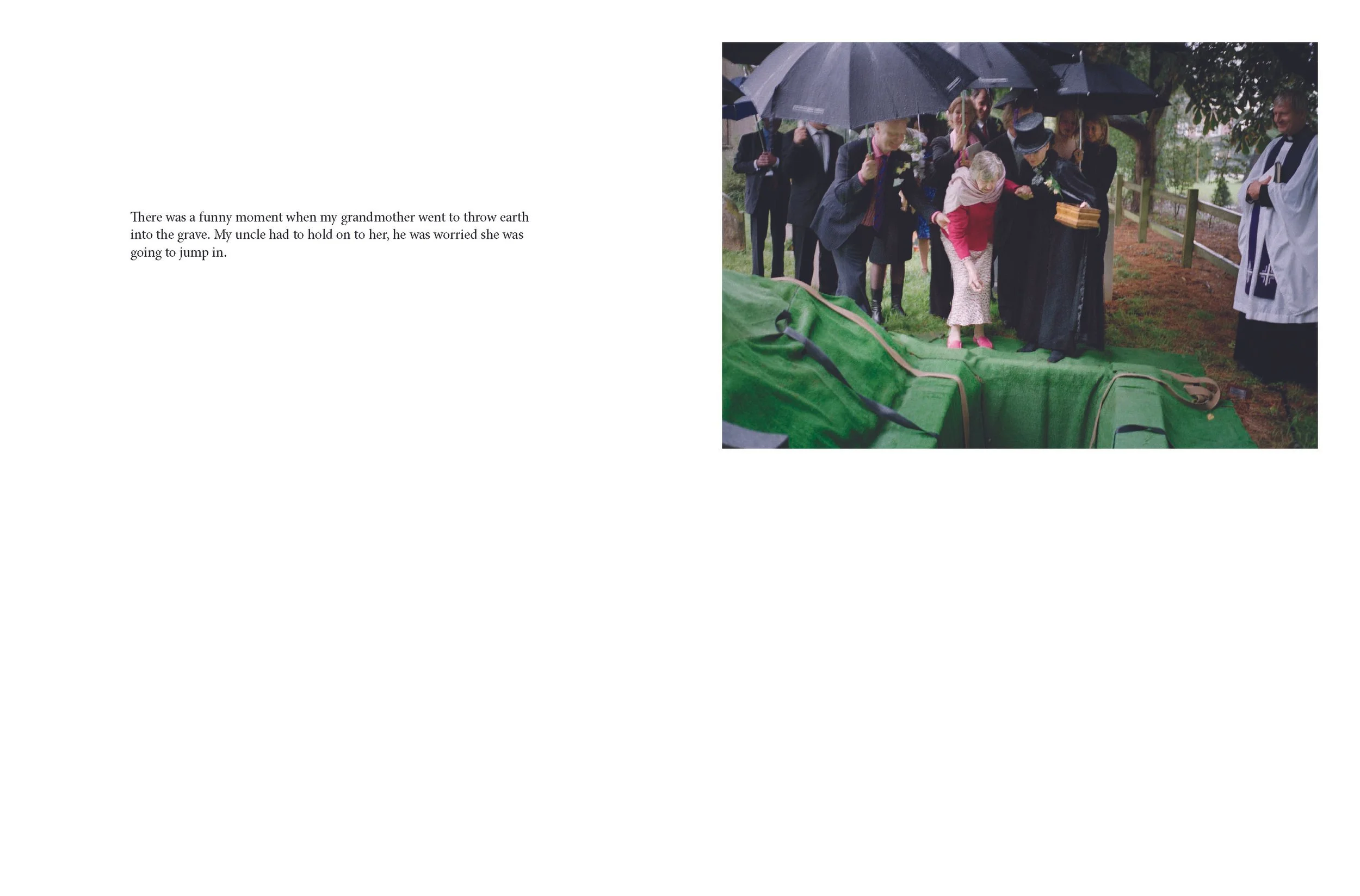
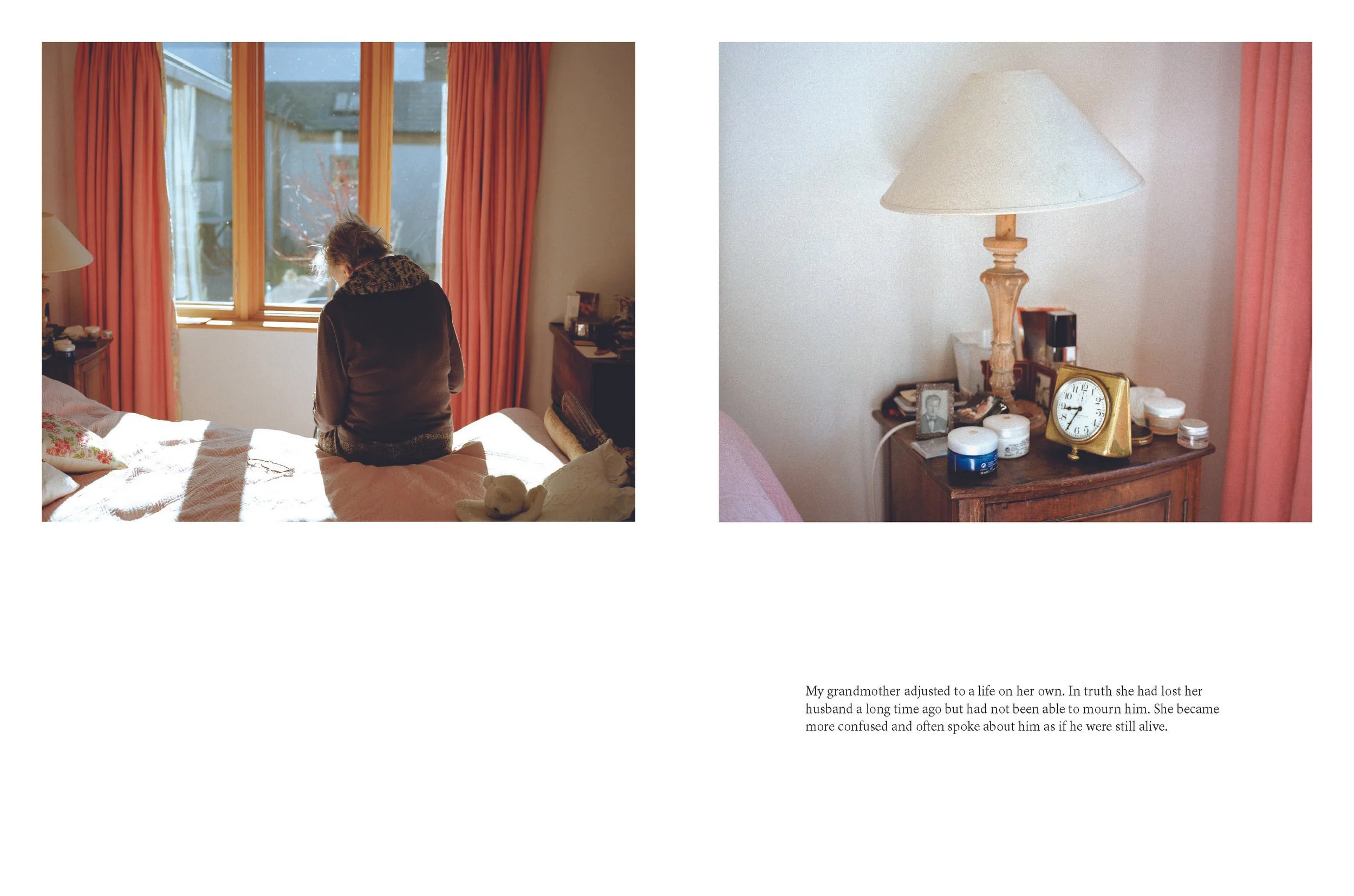
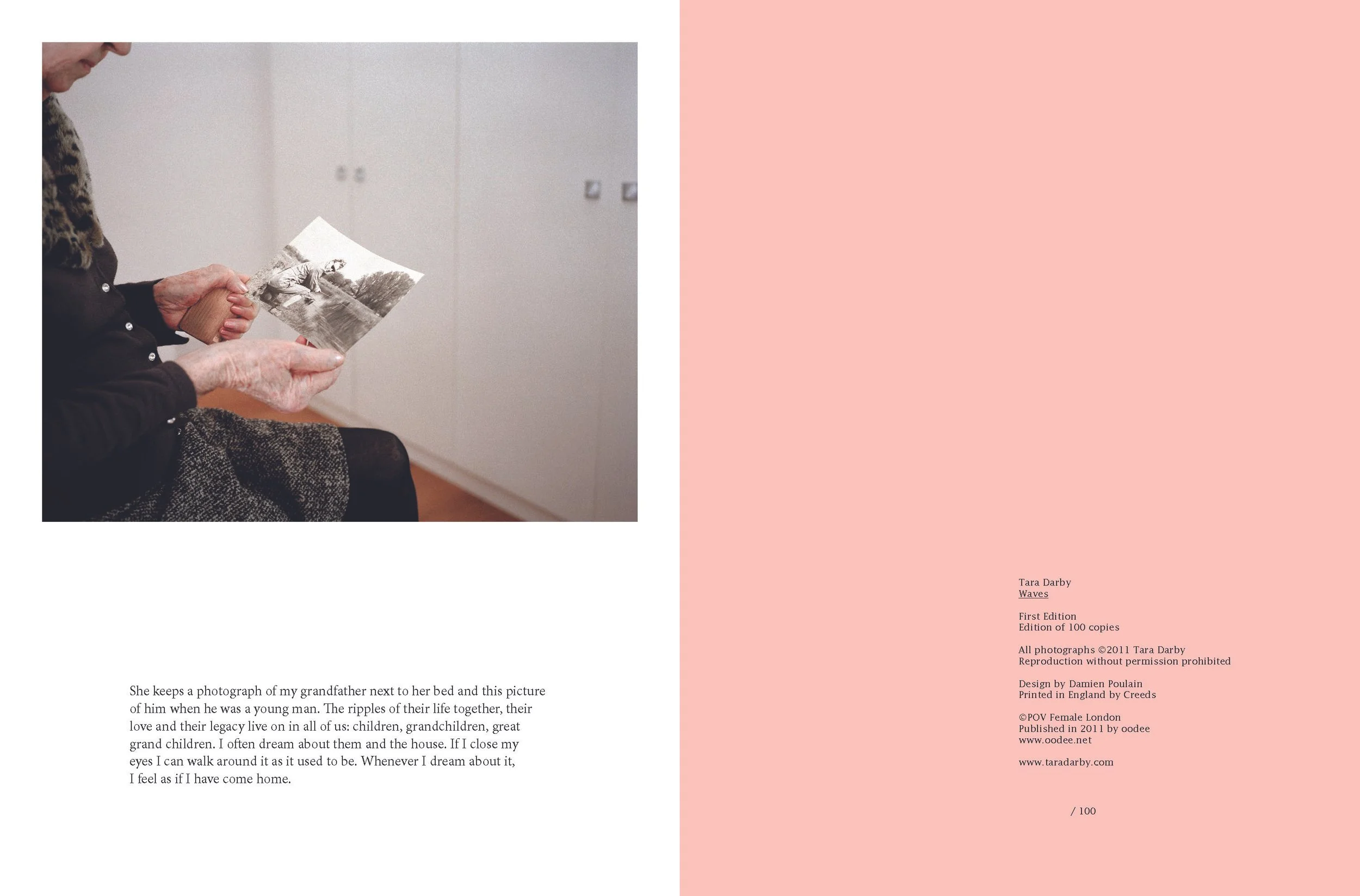
In ‘Waves’ I tell the story of my maternal grandparents, of their lives and losses and the lasting impact they have had on me. It is a story about family and the symbolic significance a house can have; of family history, the enduring power of love and the changes brought about by death.
Designed by Damien Poulain
Publisher
Oodee
Year
2011

We Are Only Humans
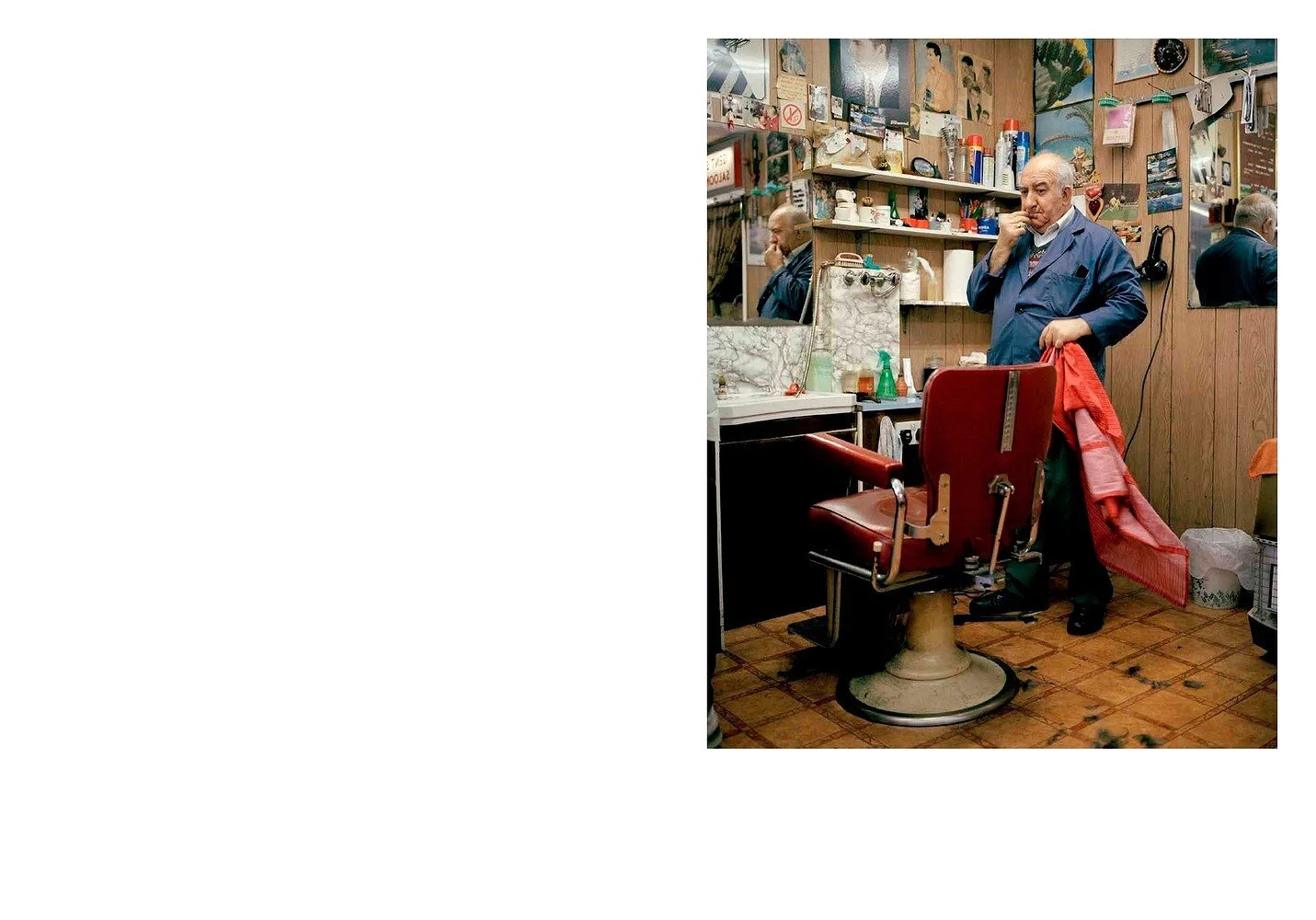
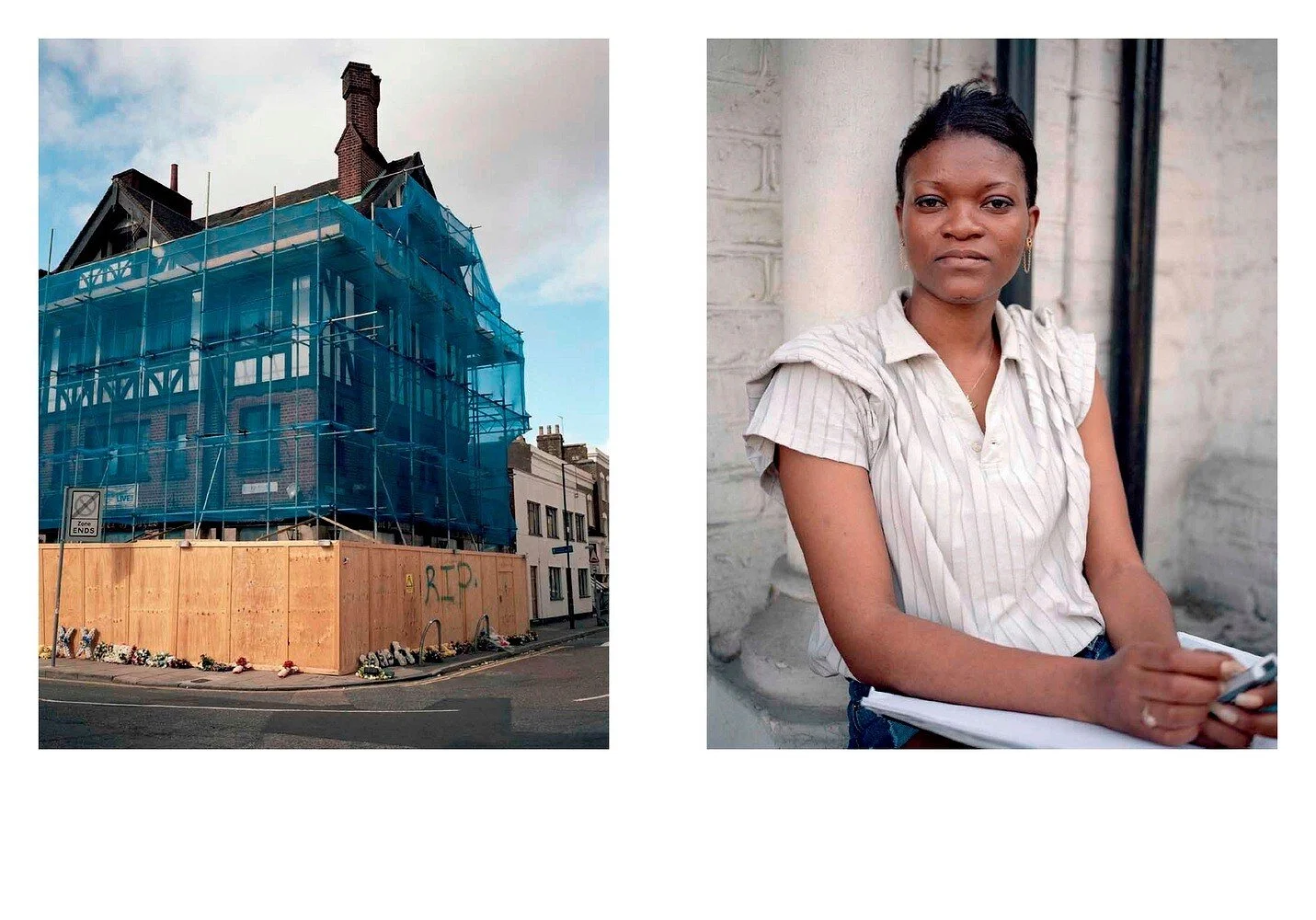
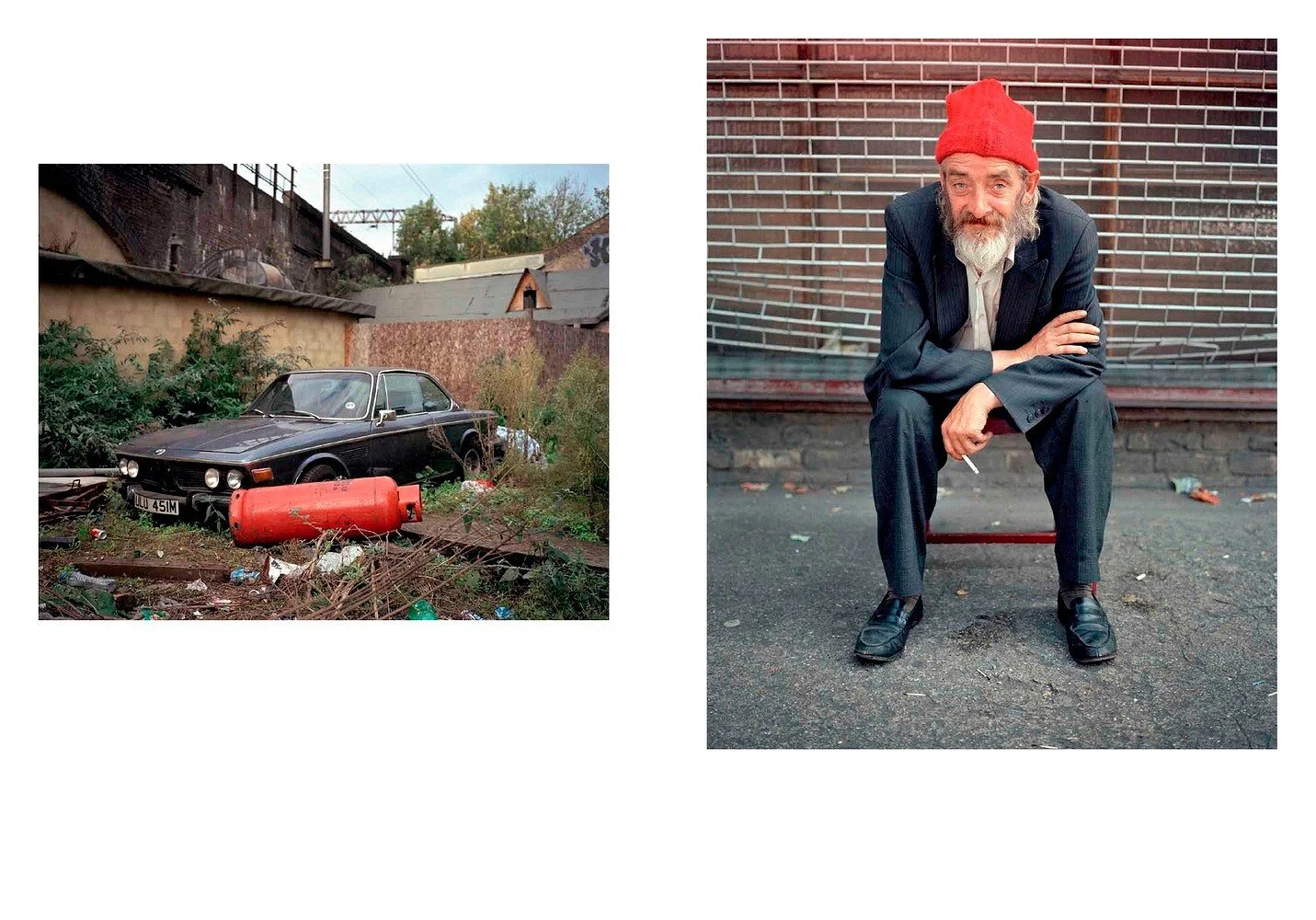
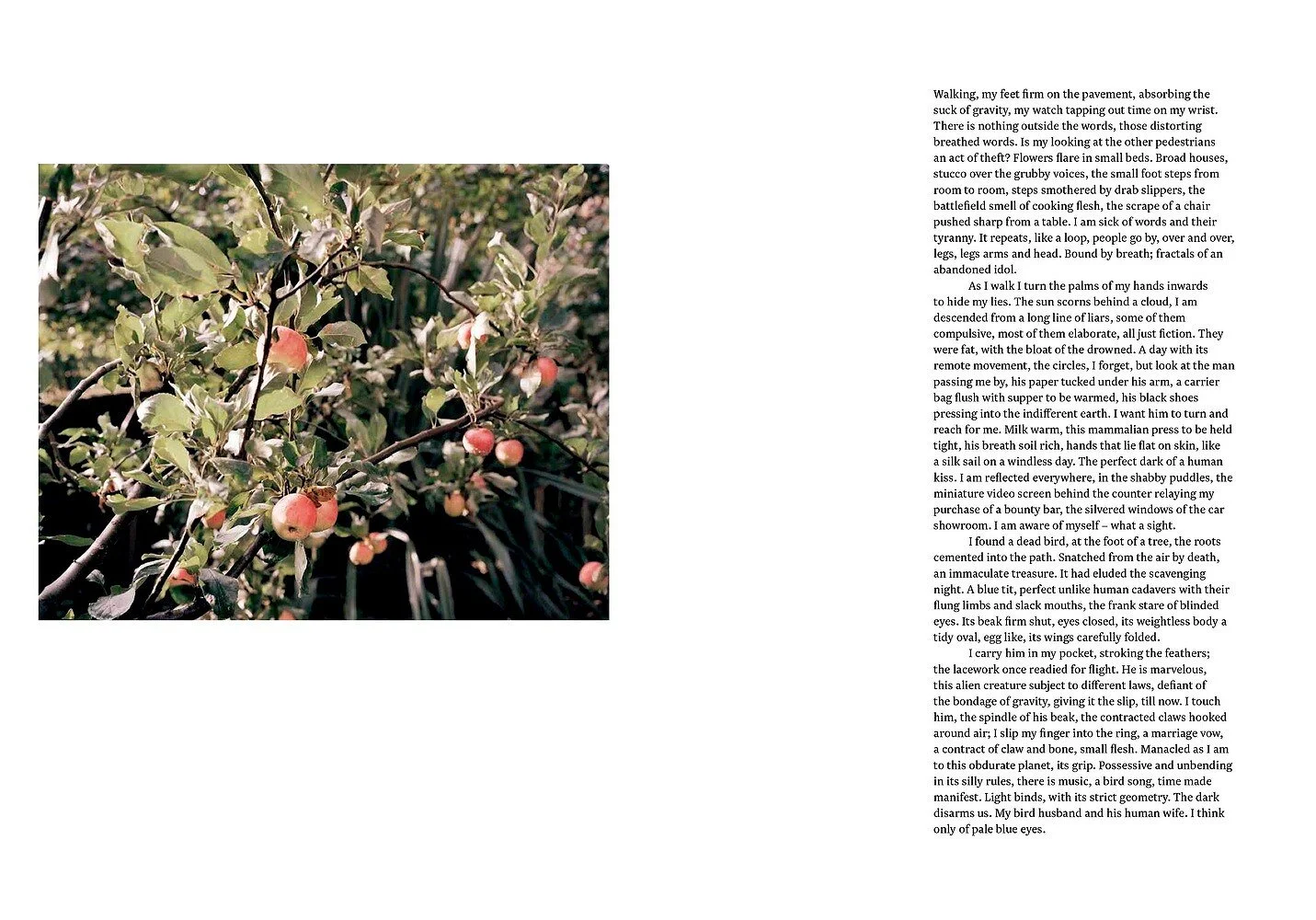
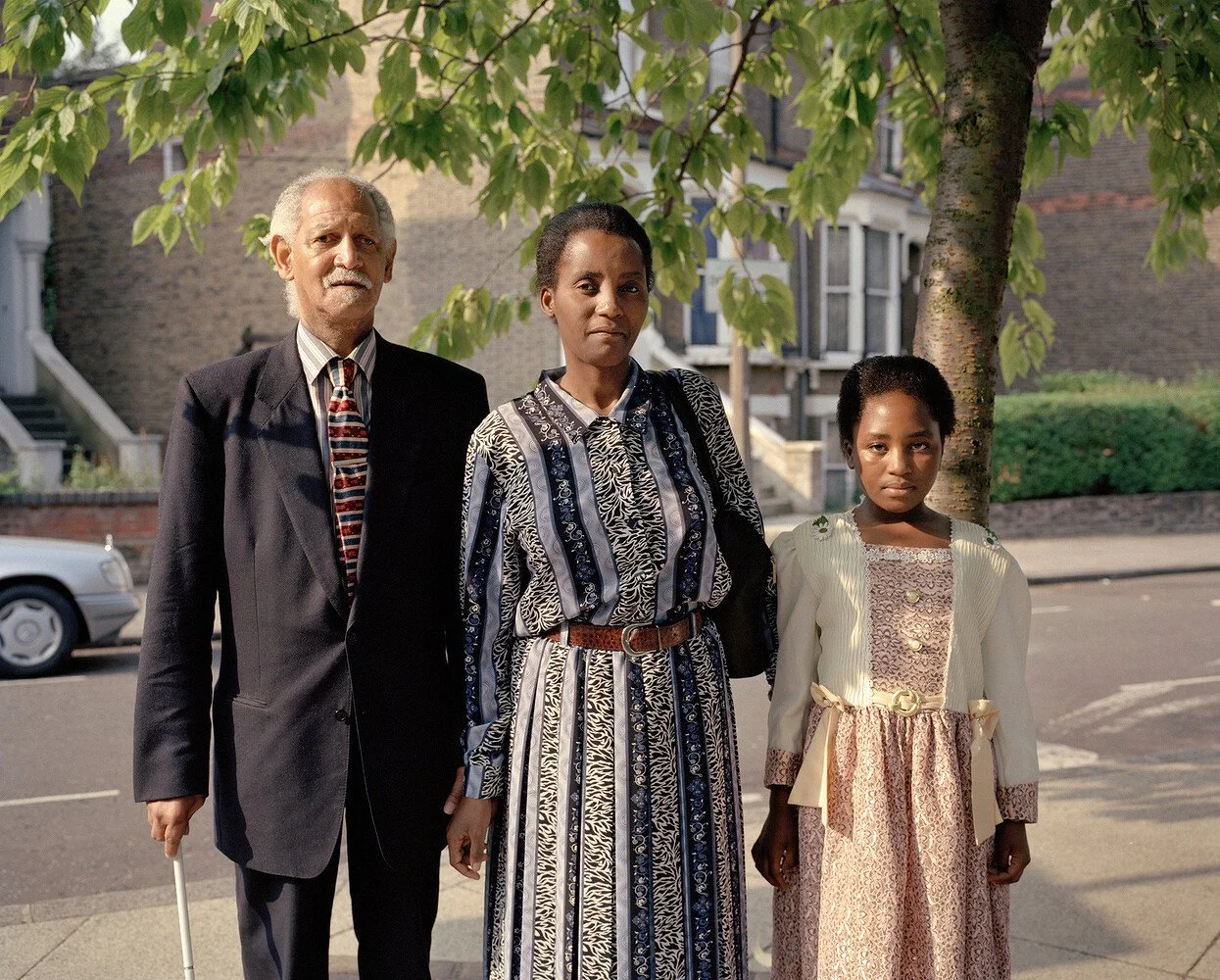
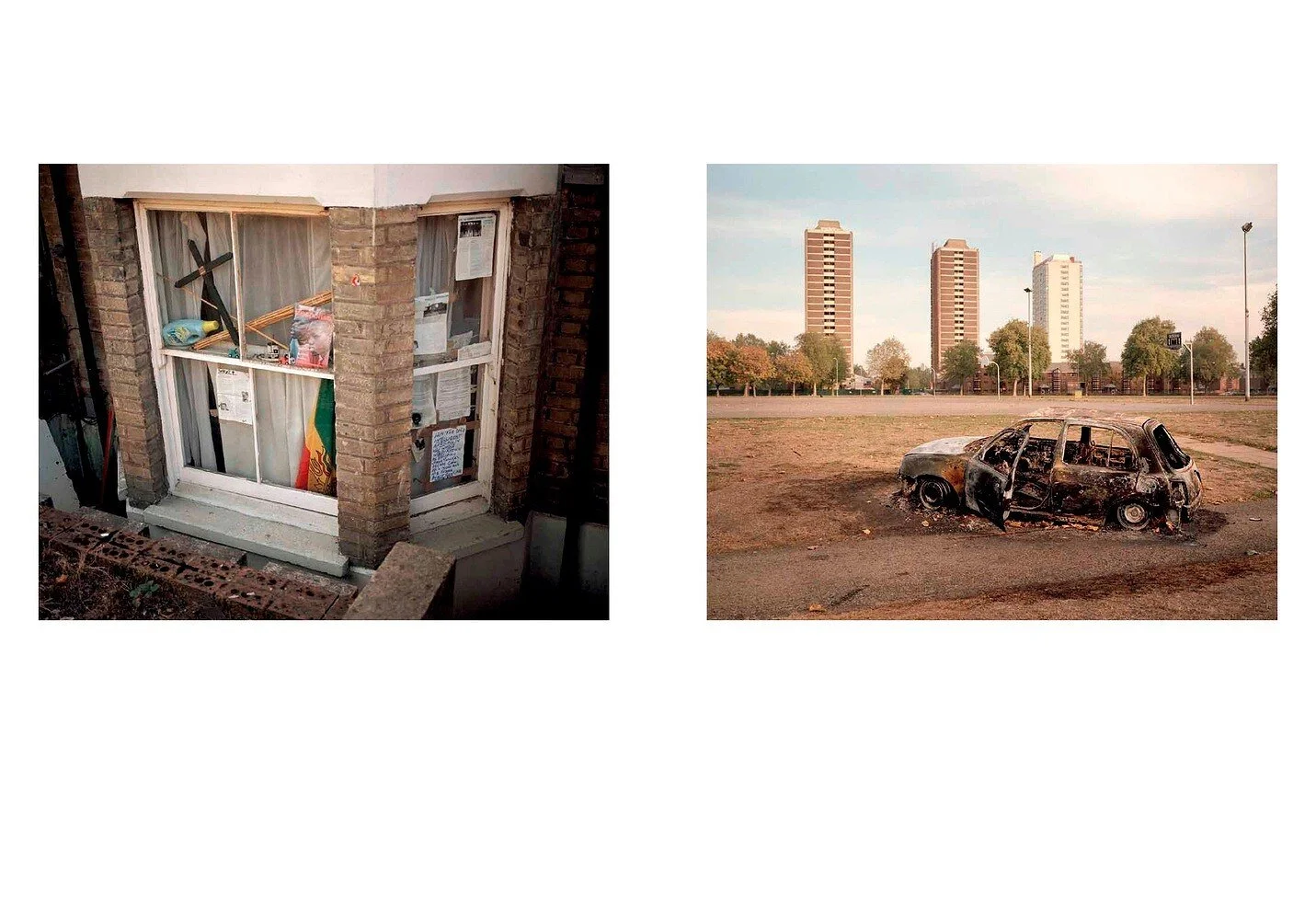
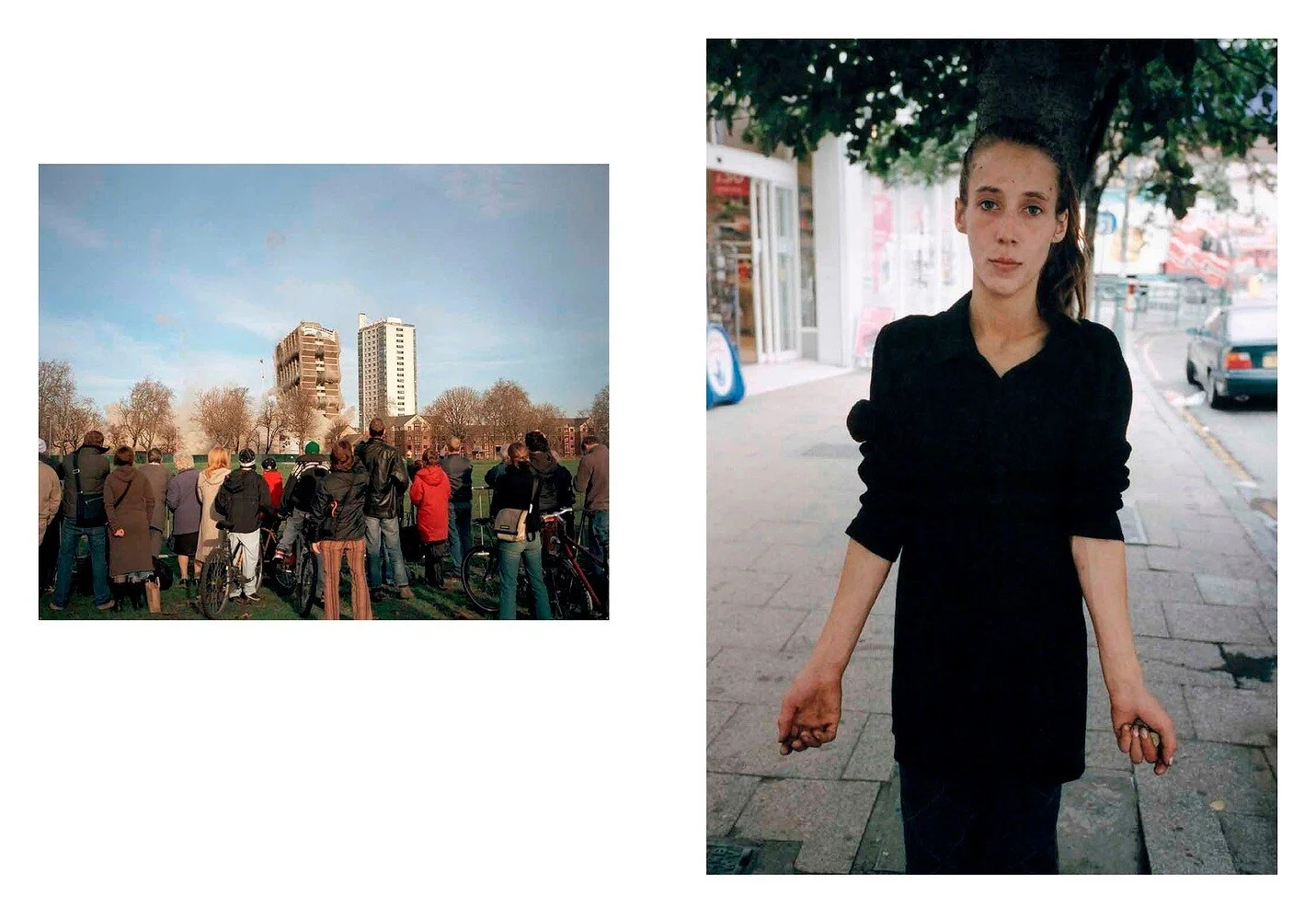
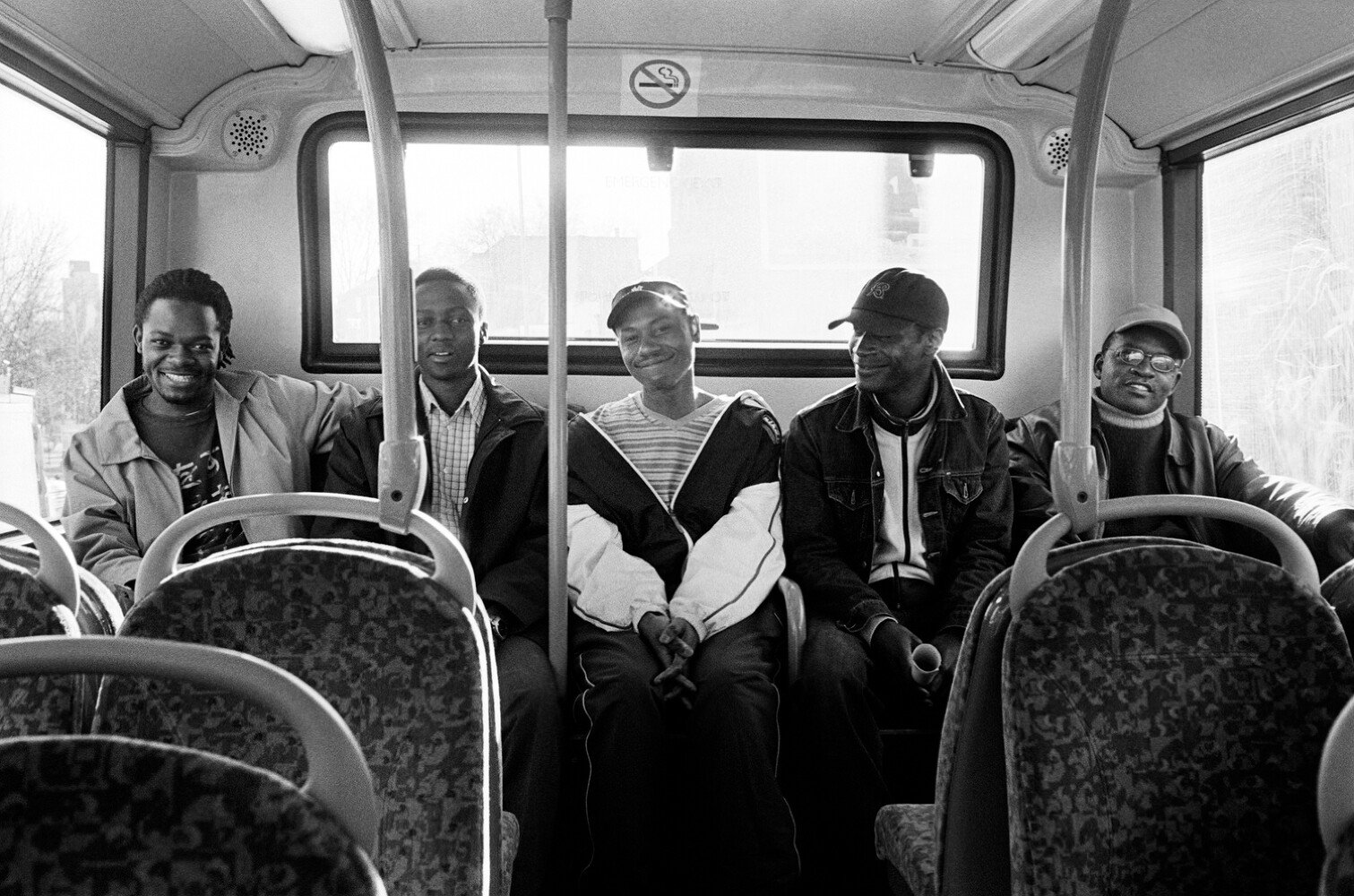
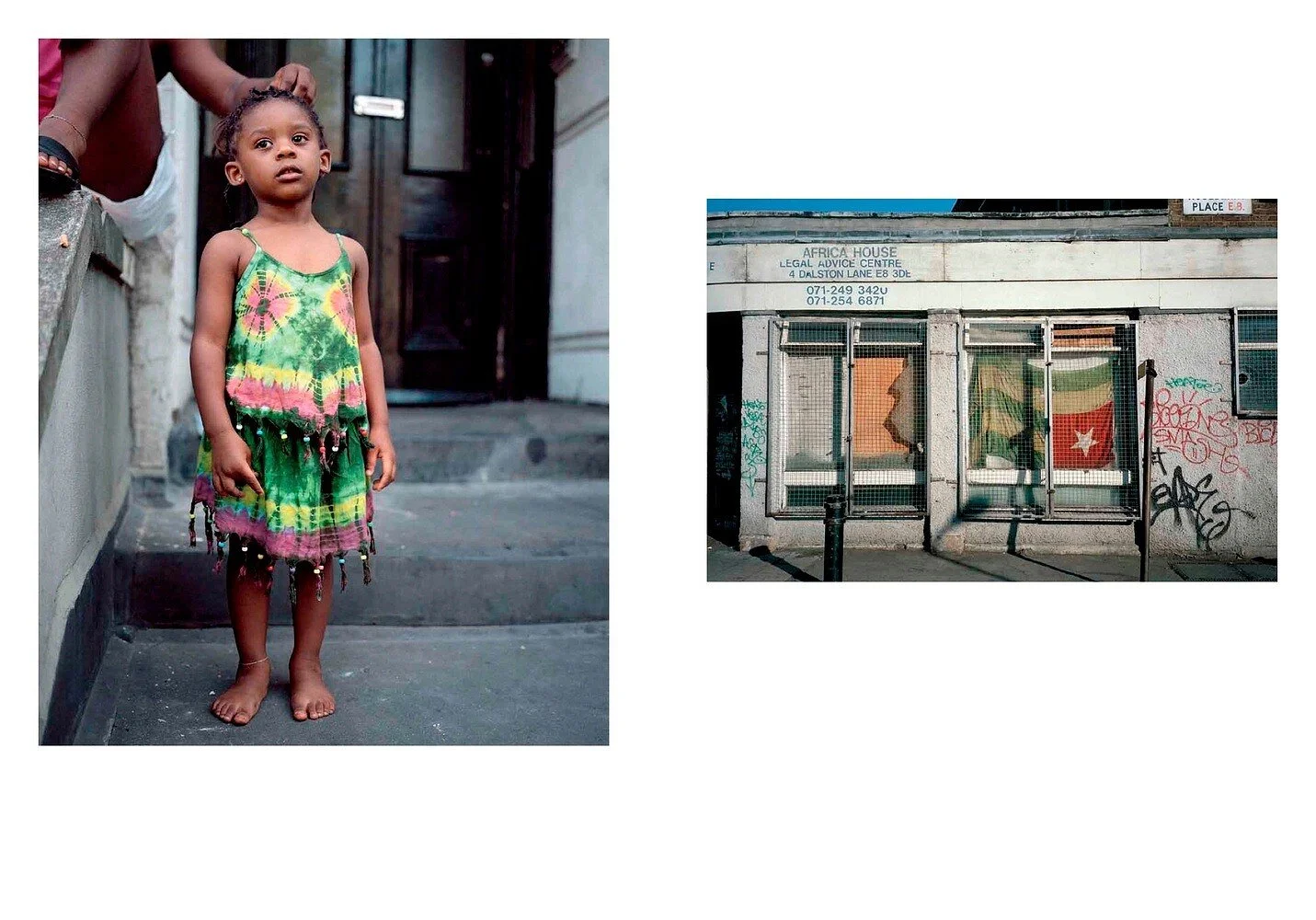
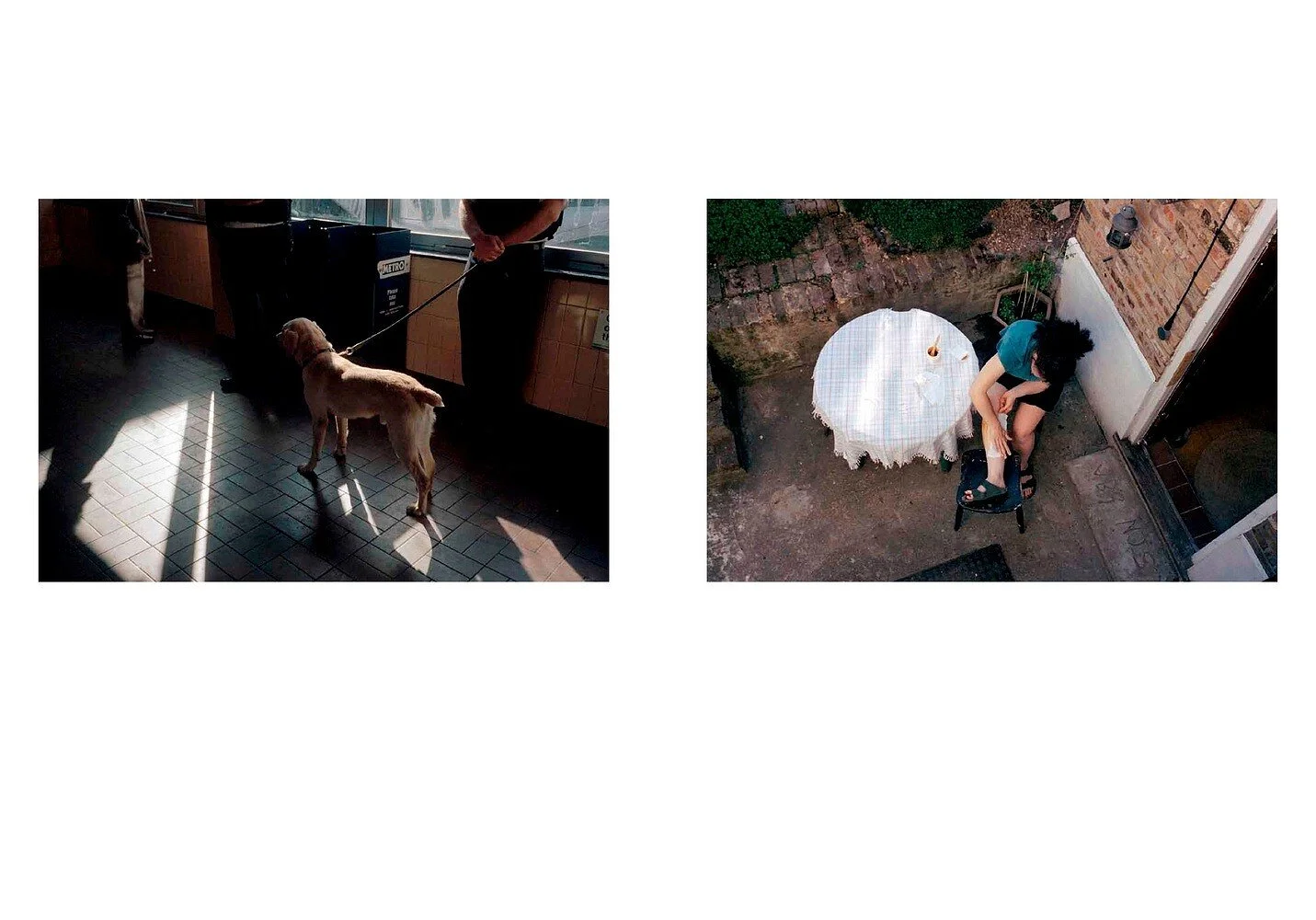
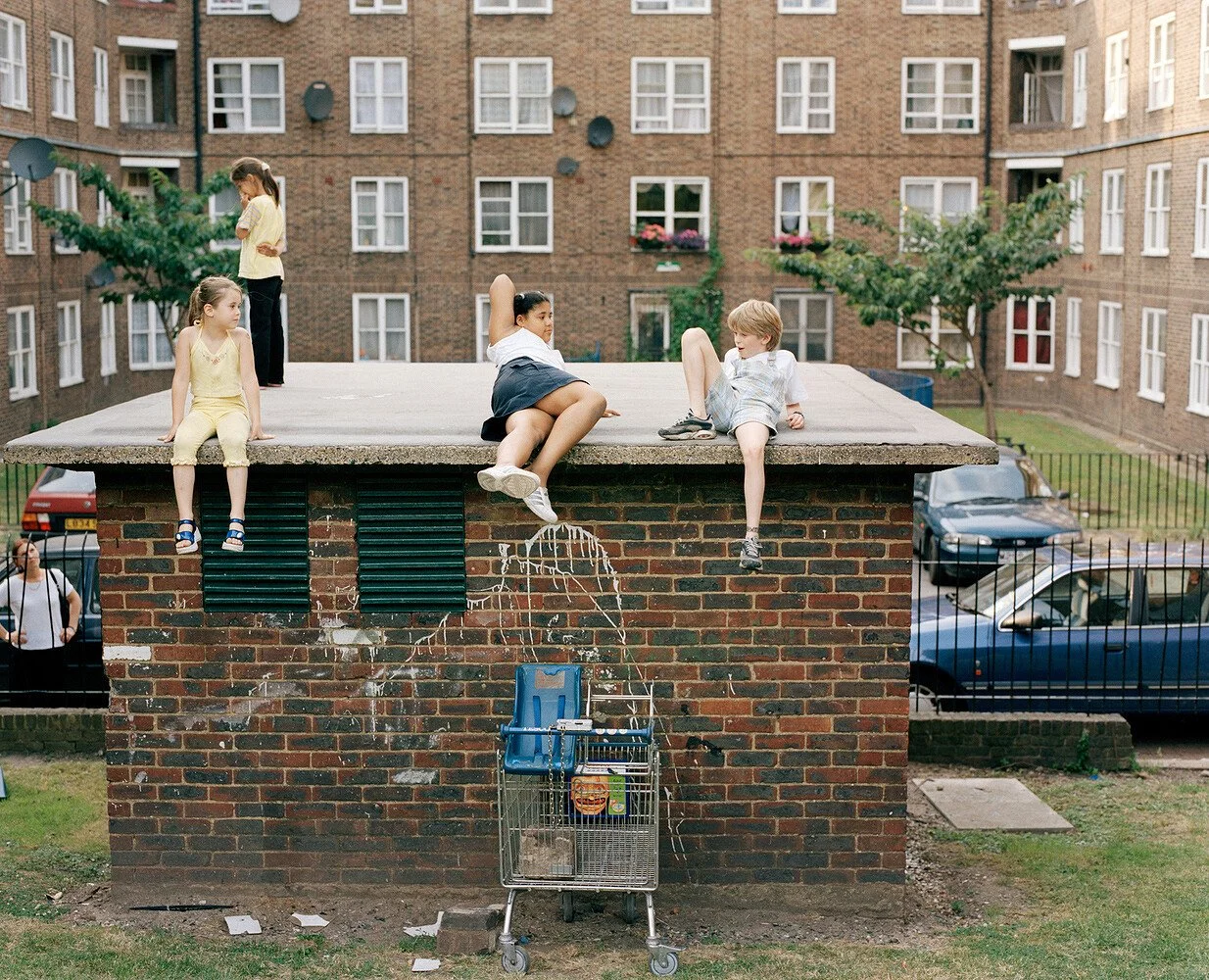
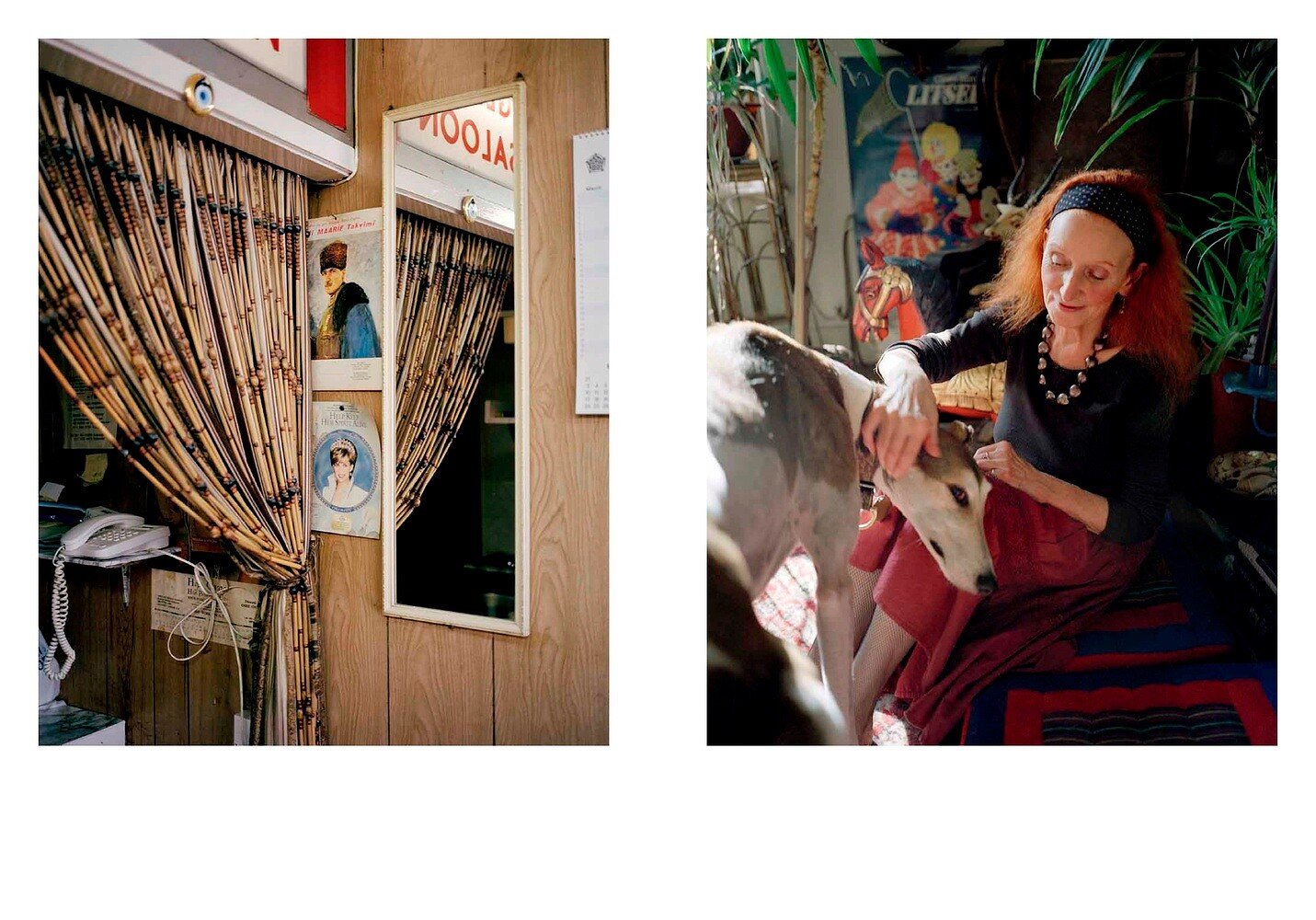
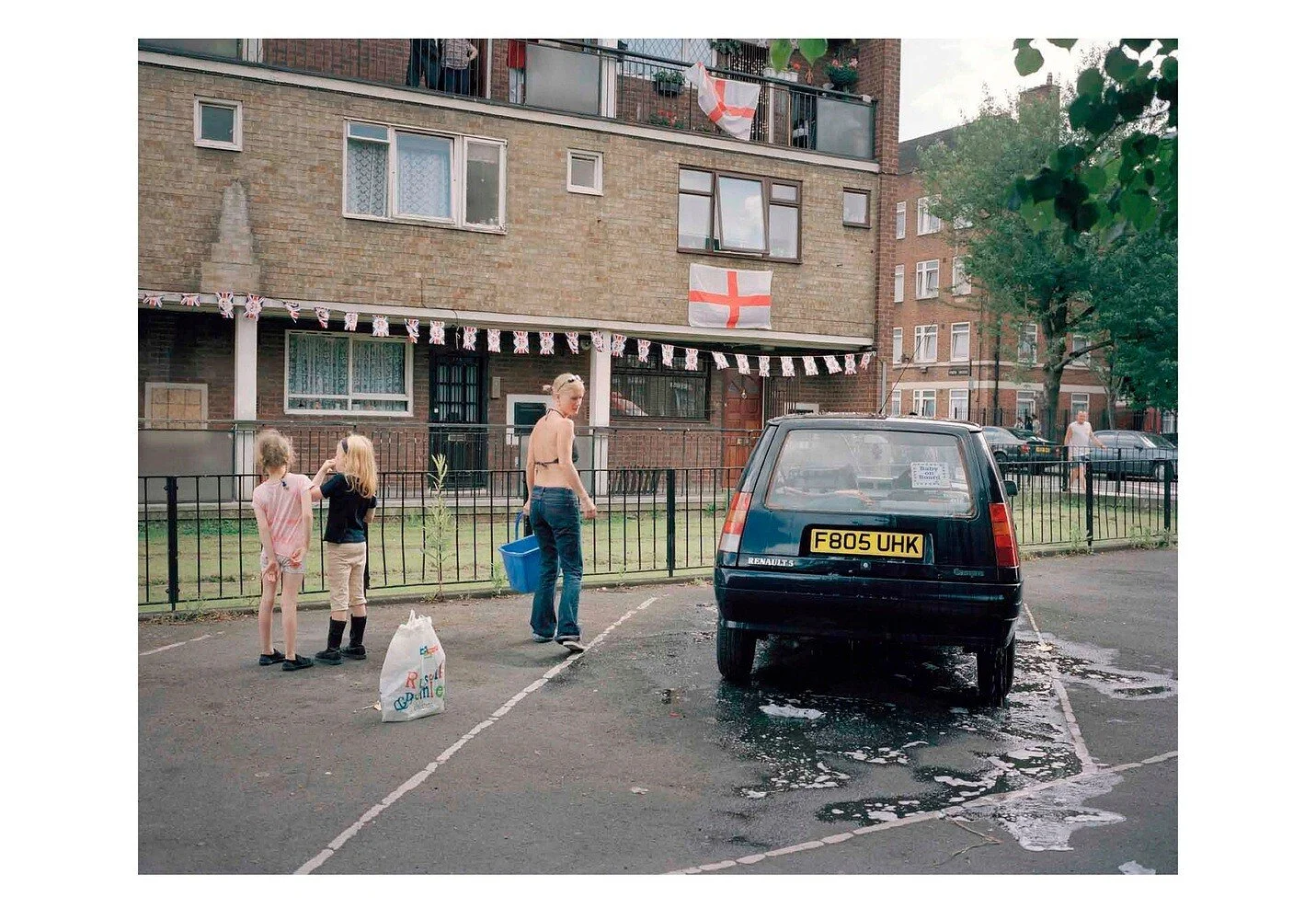
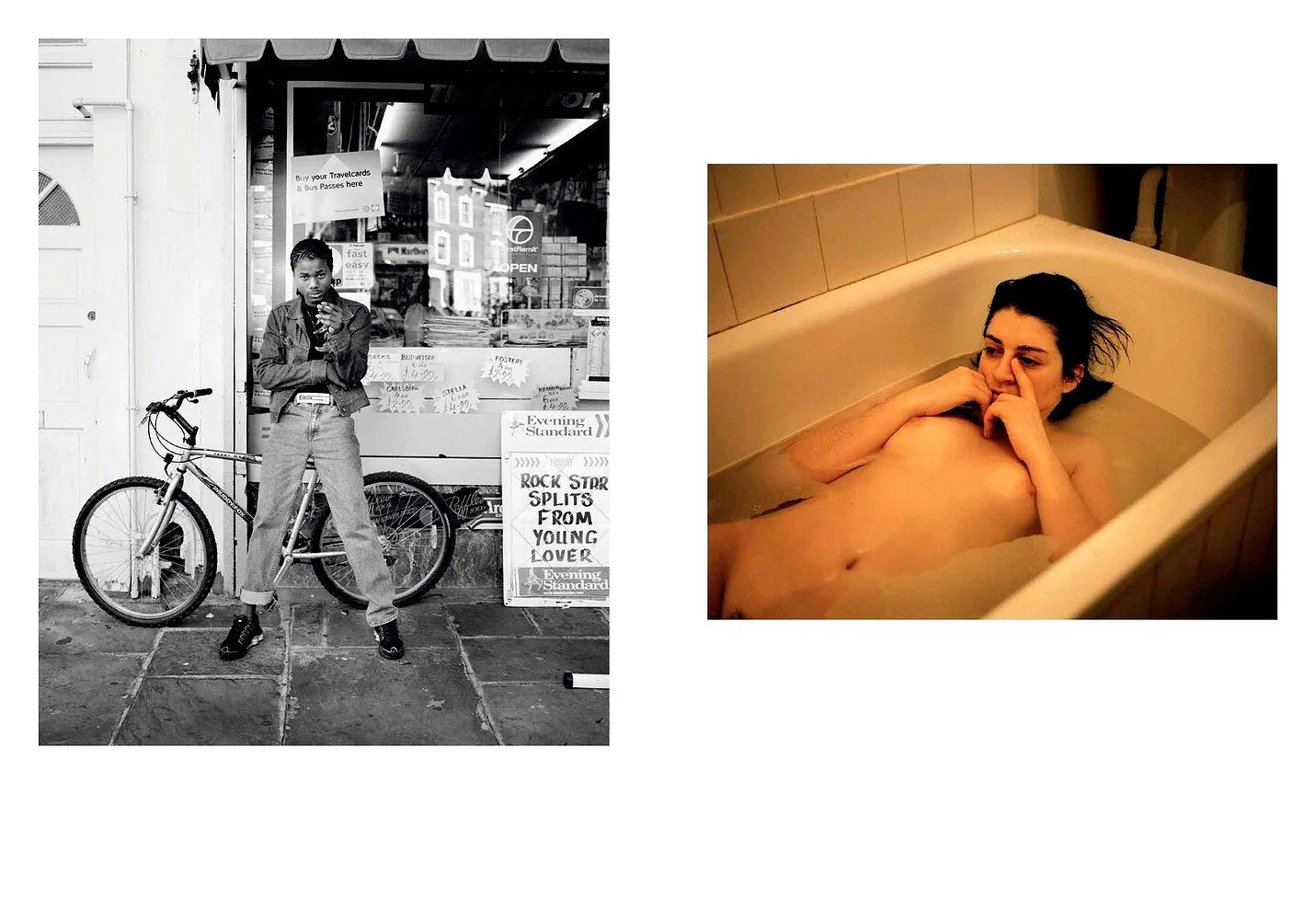
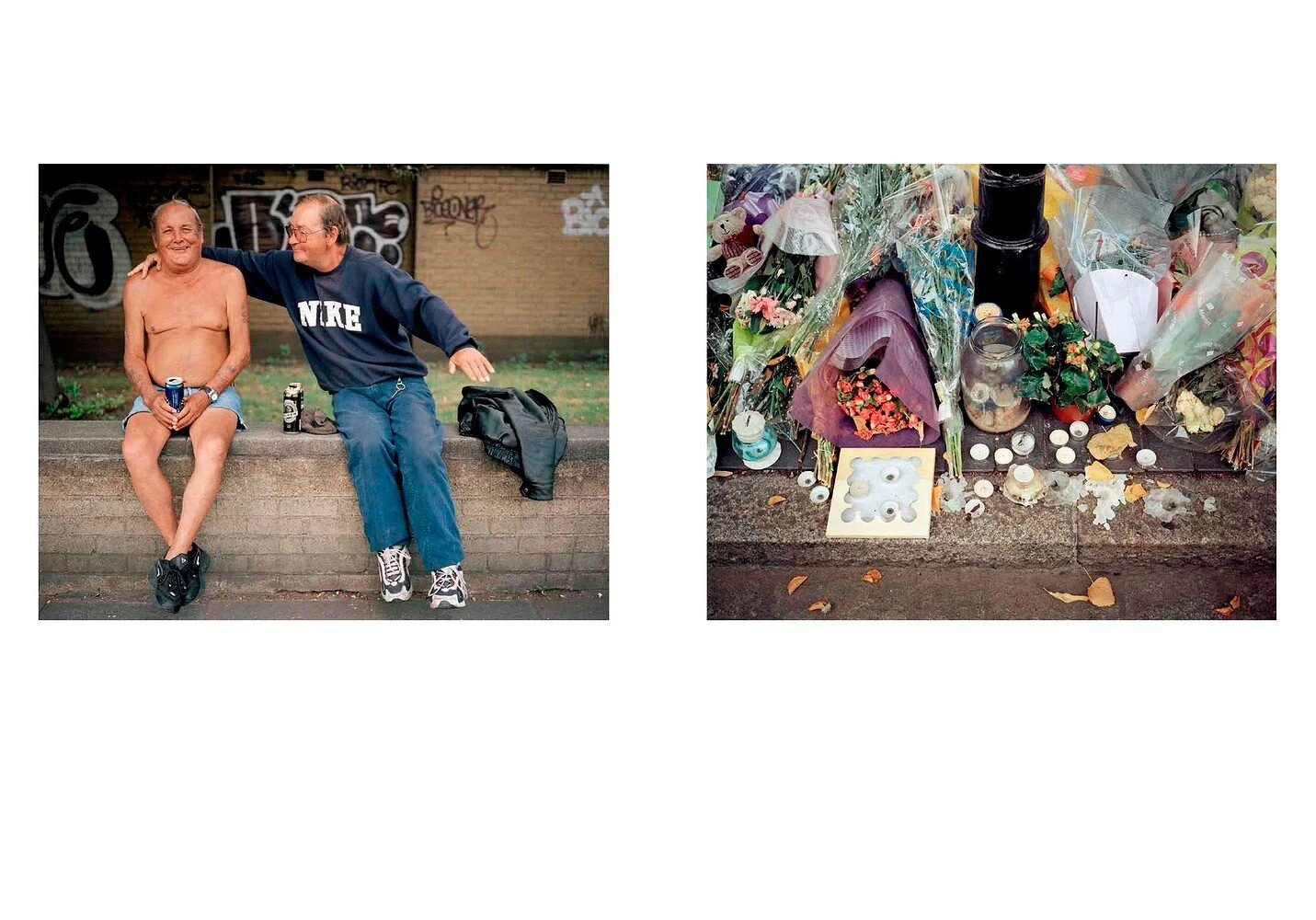
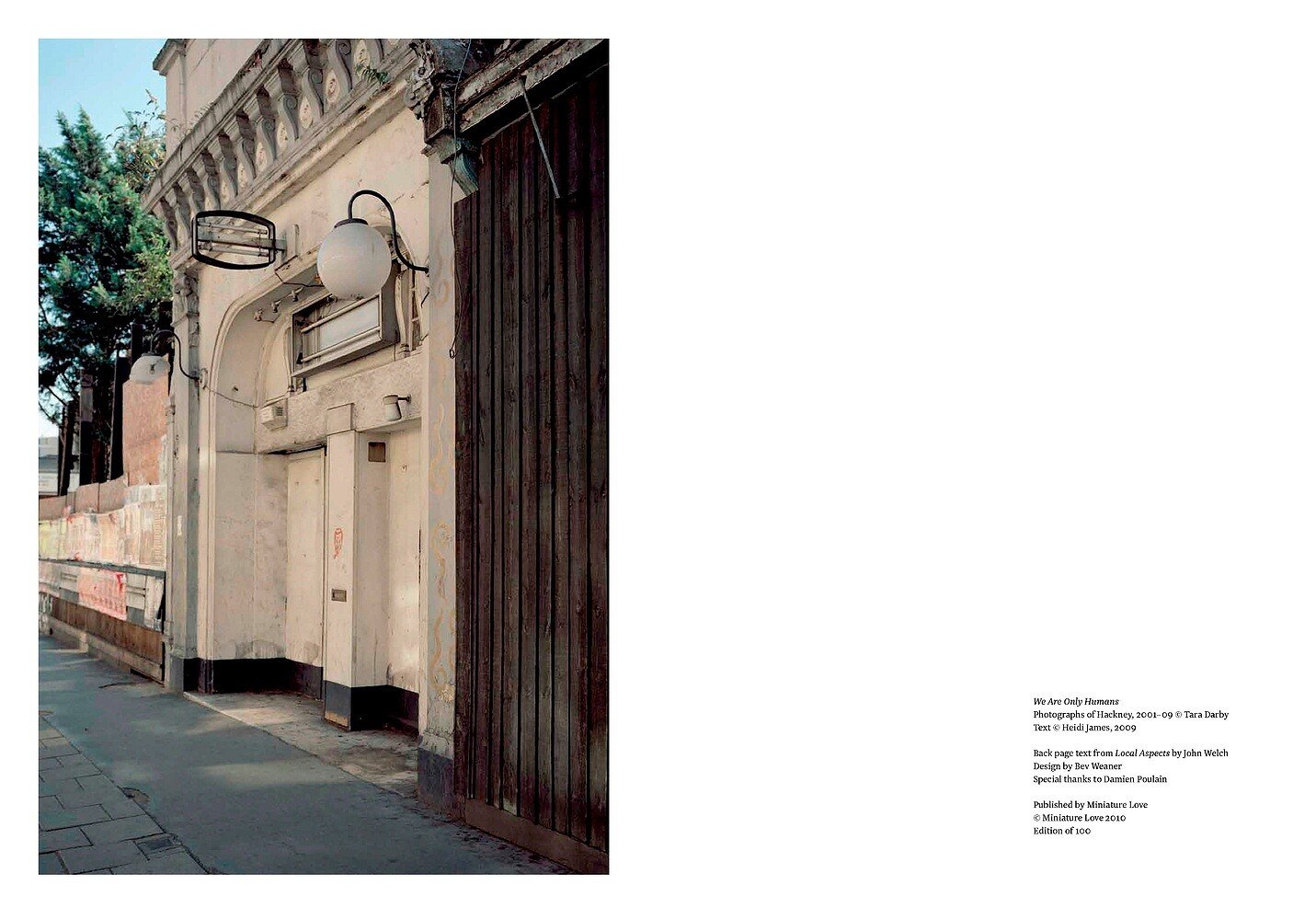
Tara began carrying her camera around when she first moved to Hackney in 2000, engaging with a succession of neighbours and local characters. These documentary portraits, collated under the title ‘We Are Only Humans’, are an unsentimental pictorial celebration of a unique borough in one of the most vibrant cities in the world at a pivotal moment of transition.
Tara’s pictures are about the connection between human beings and their landscape; about society functioning and malfunctioning at an instinctive level with its surroundings. Text by Heidi James and John Welch.
Designed by Damien Poulain
Publisher
Miniature Love
Year
2009
Saville
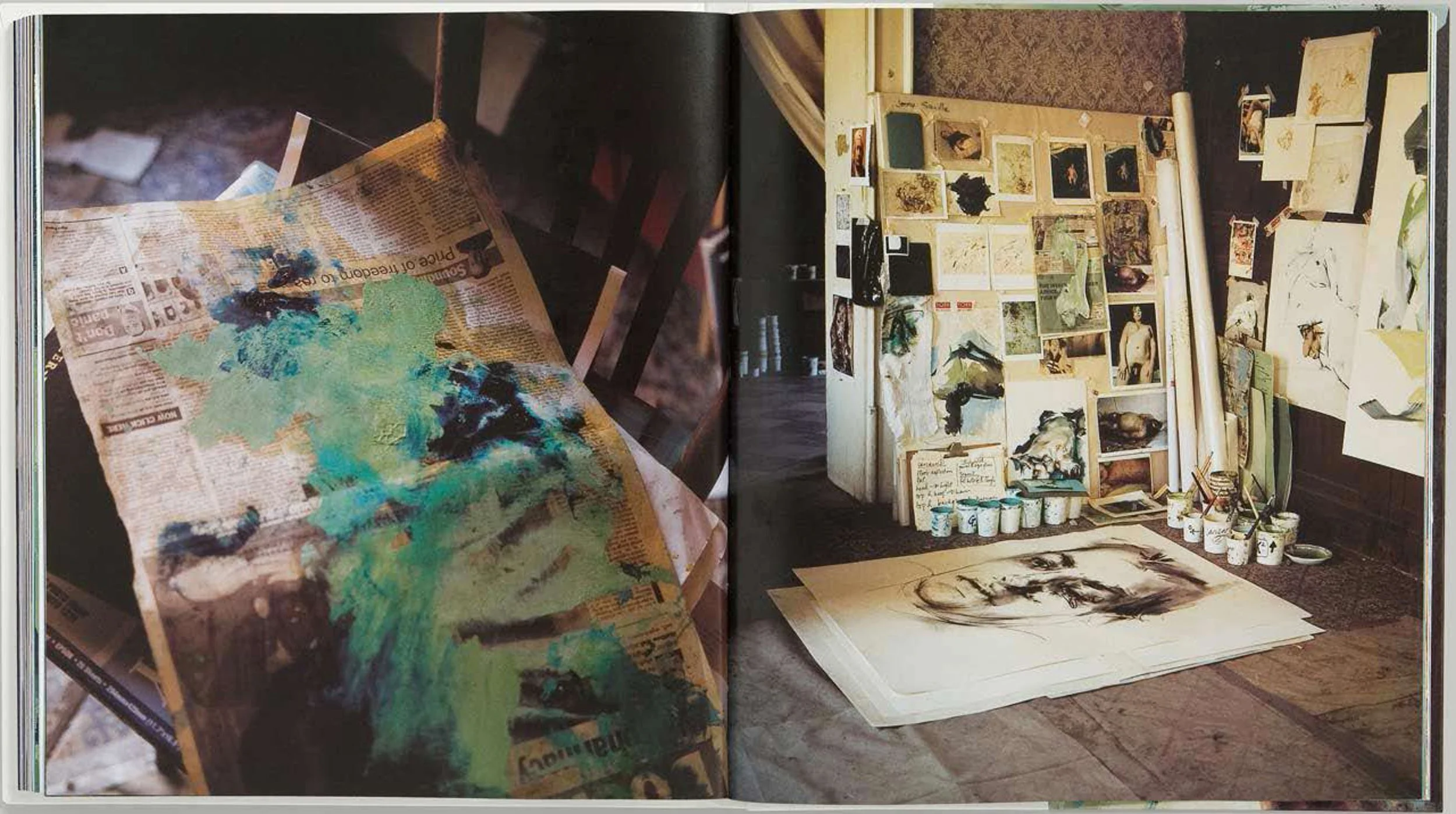
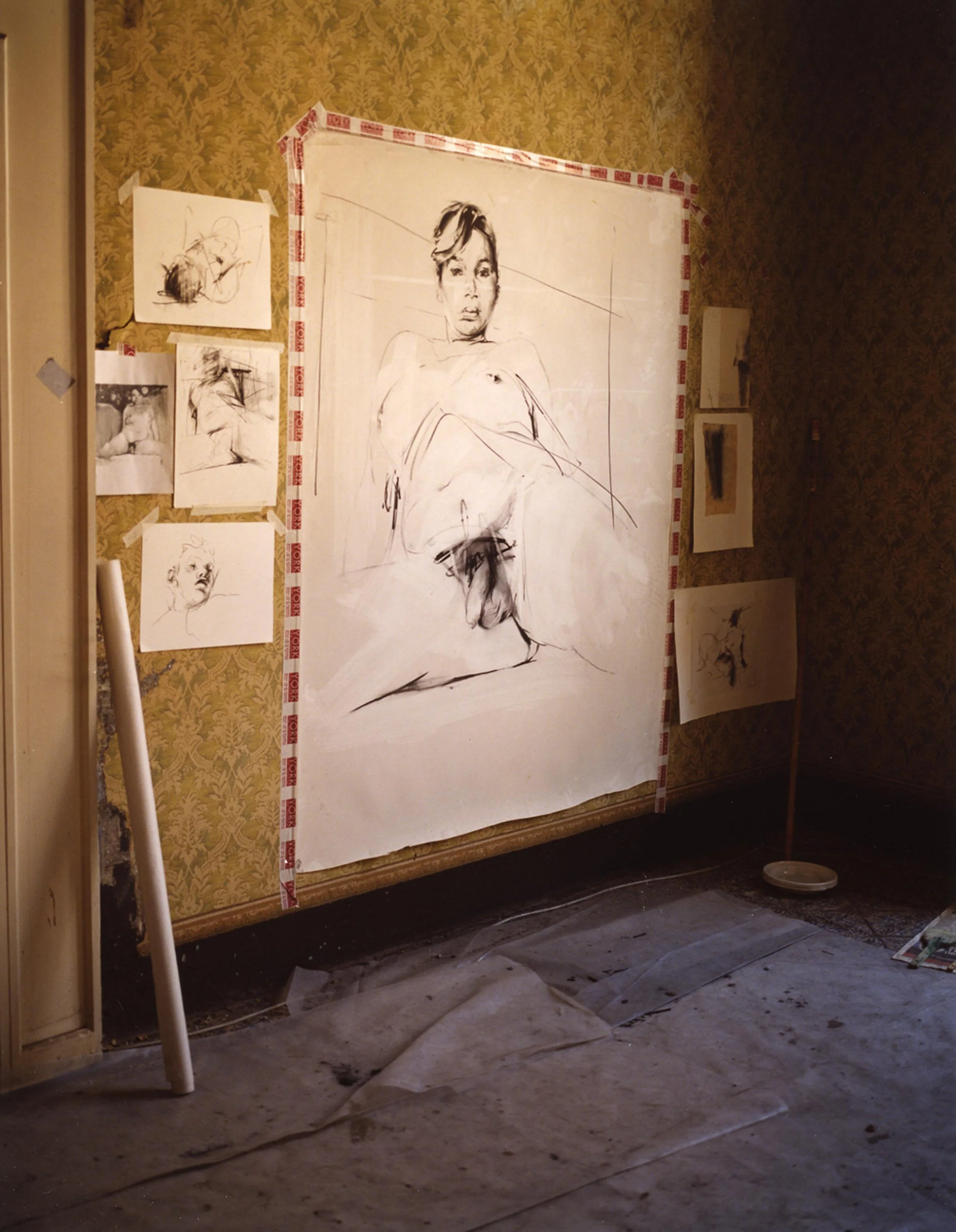
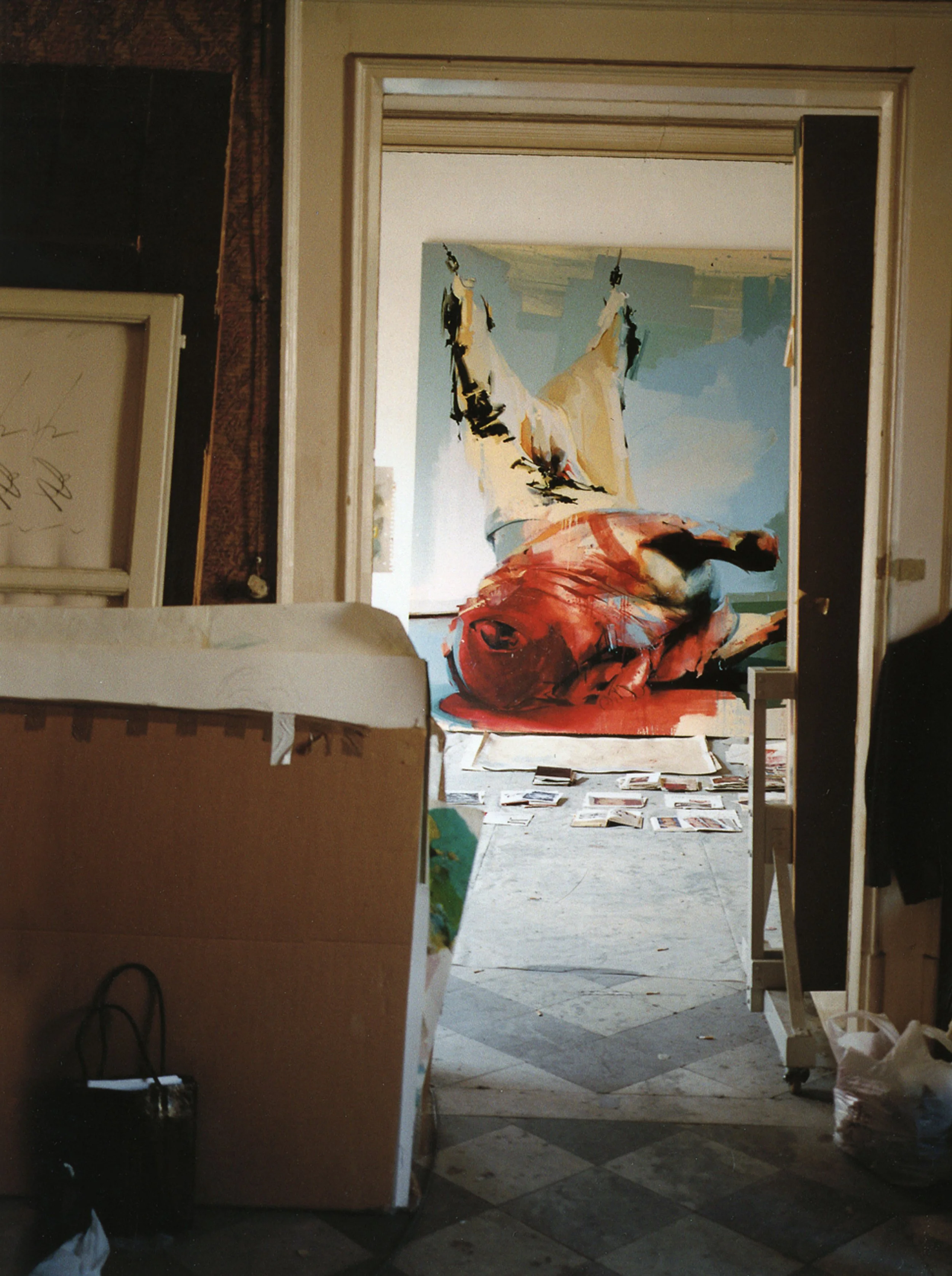
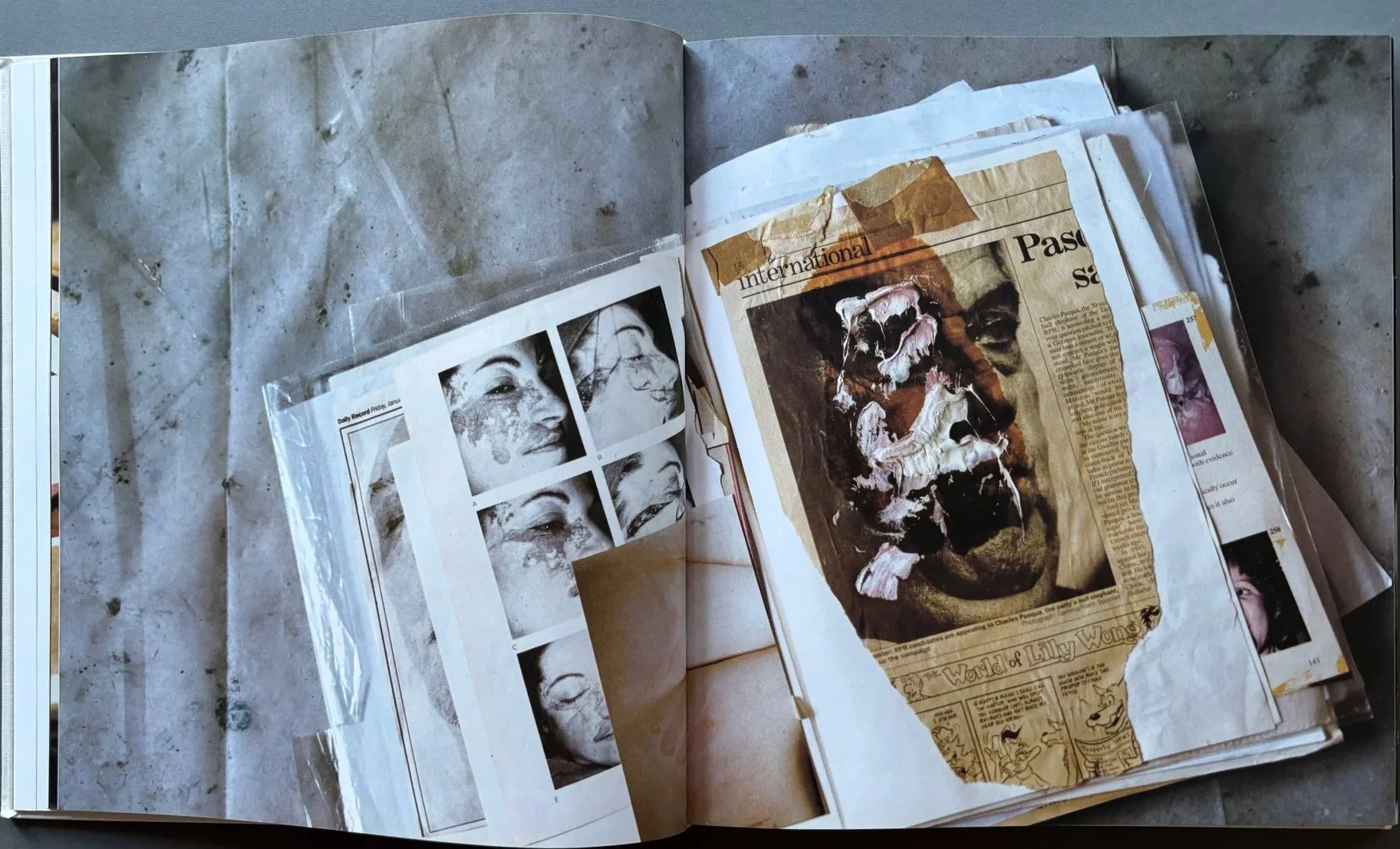
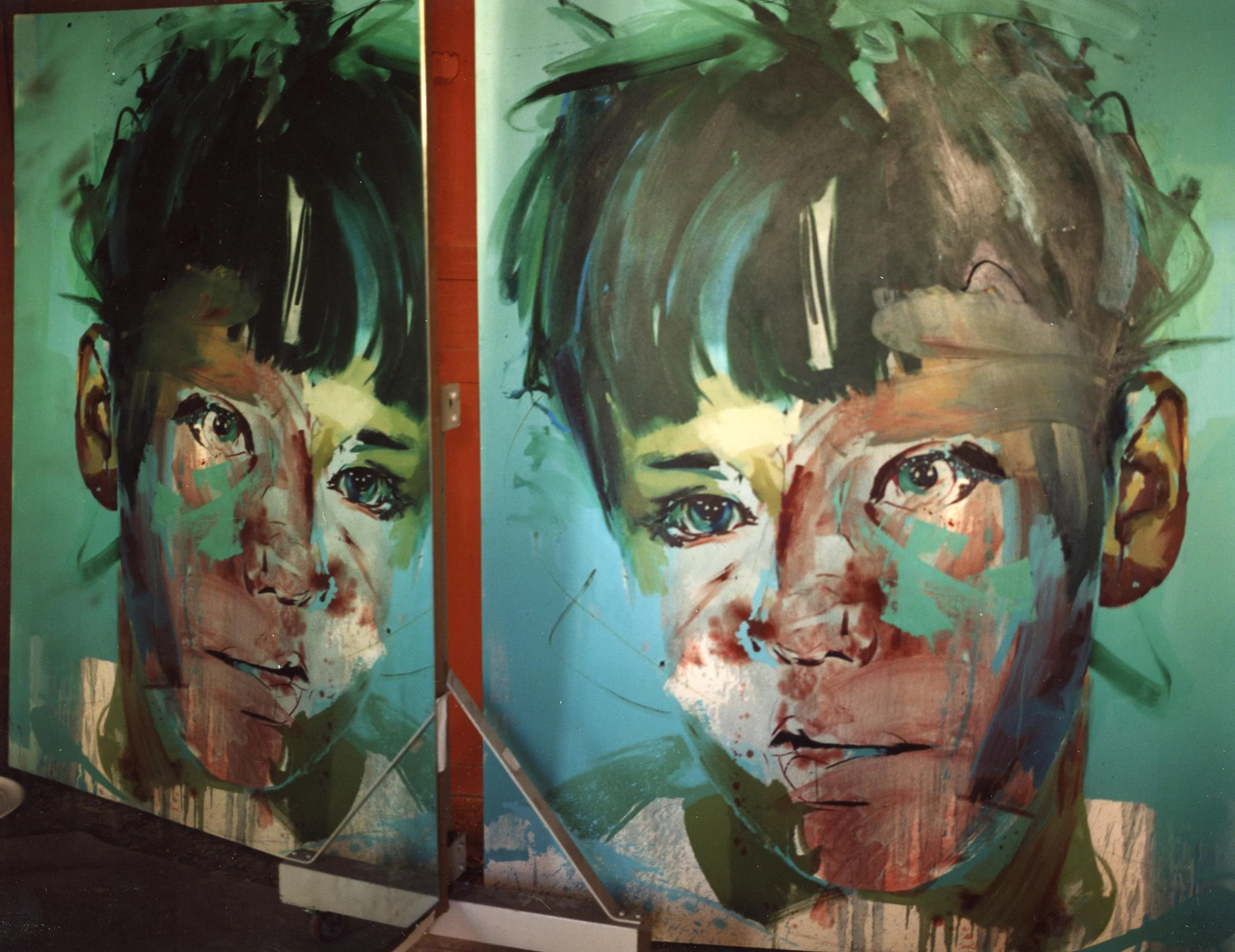
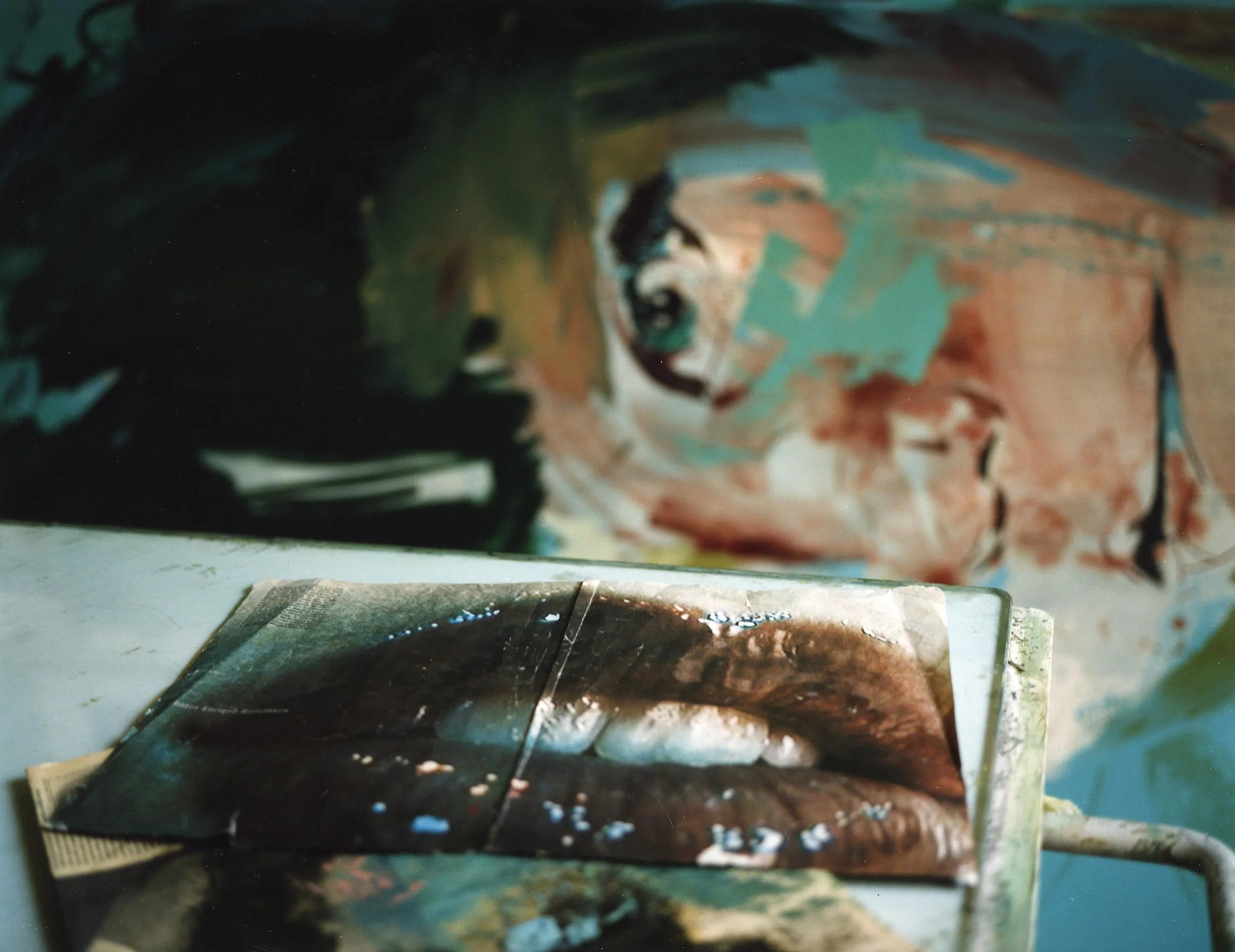
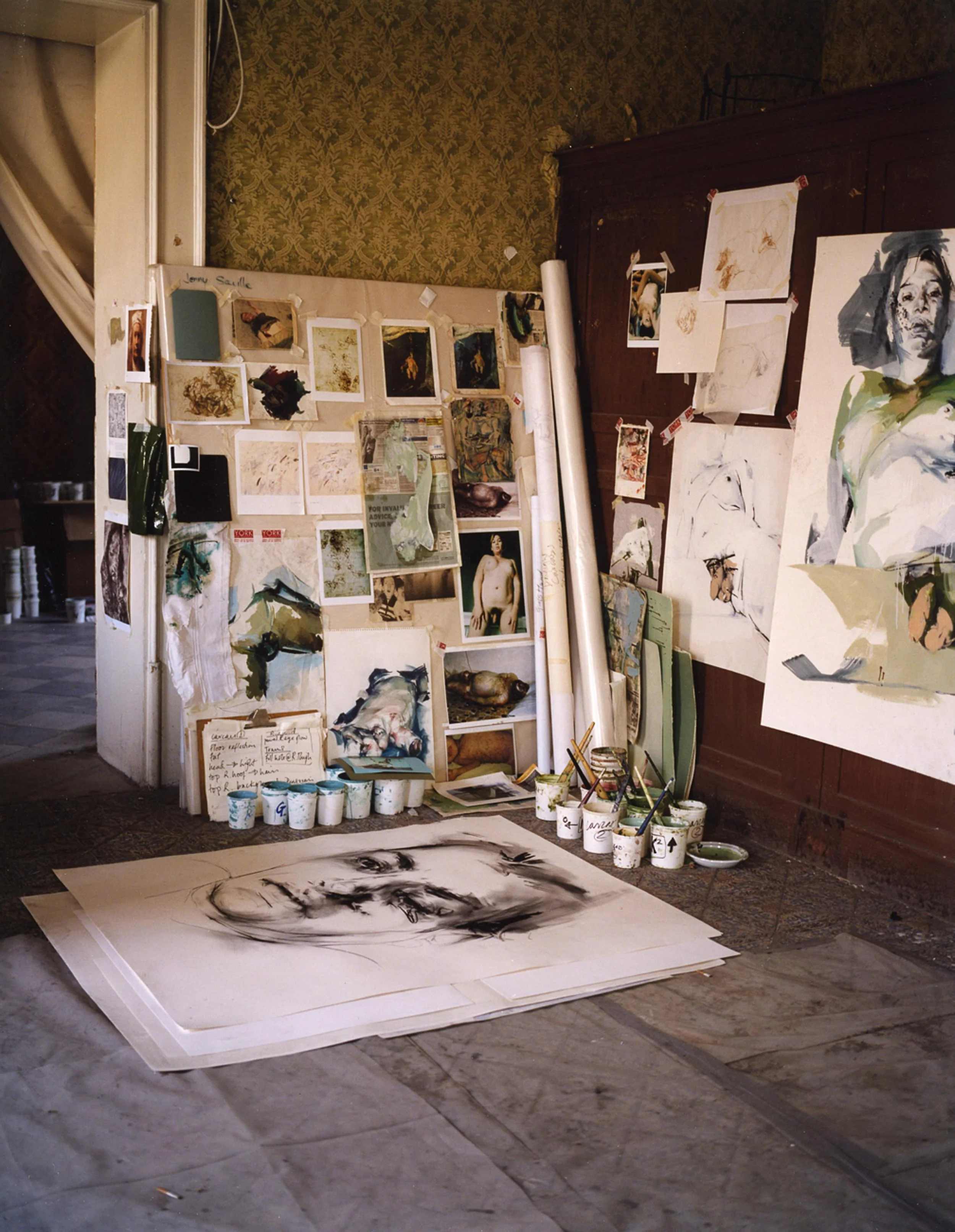
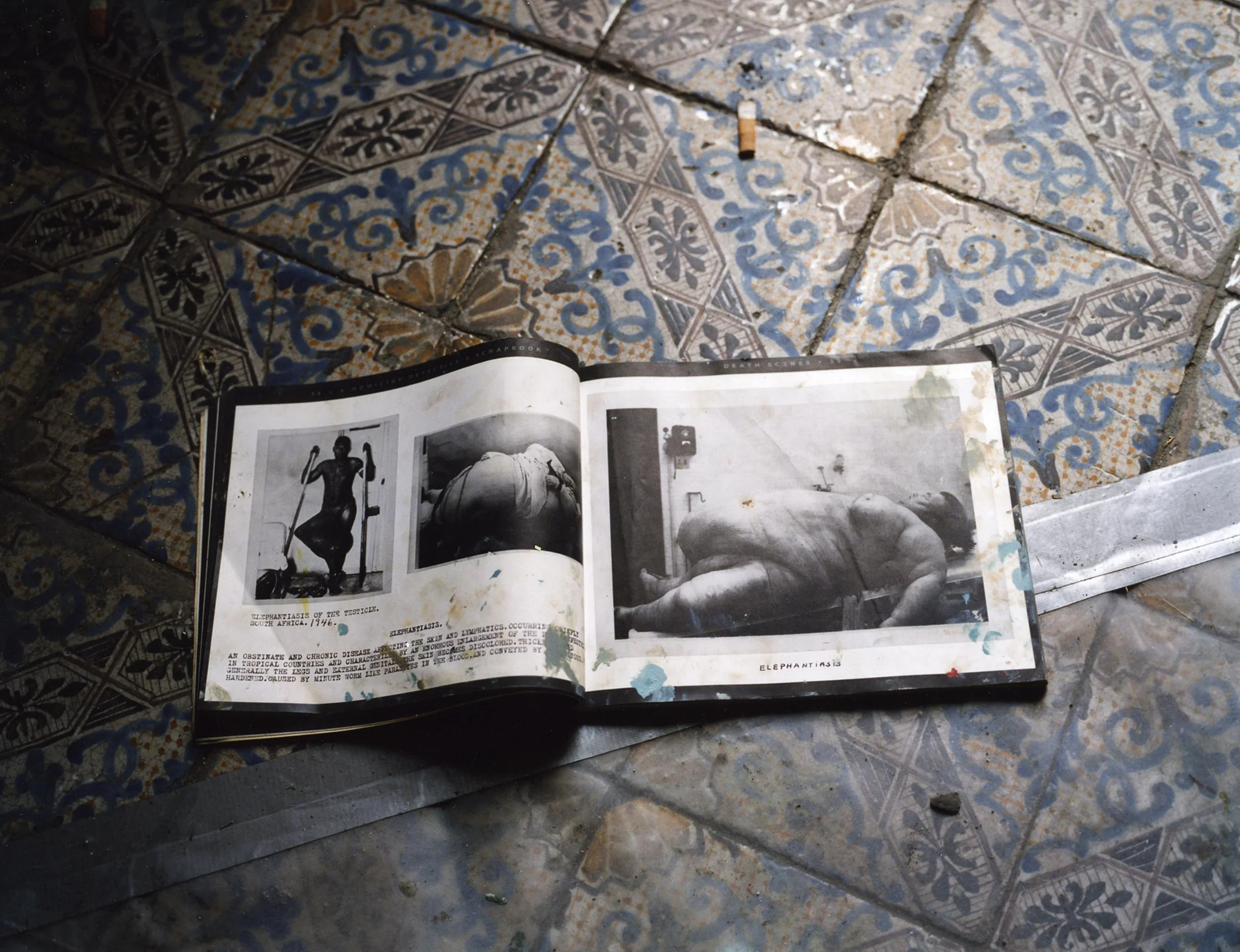
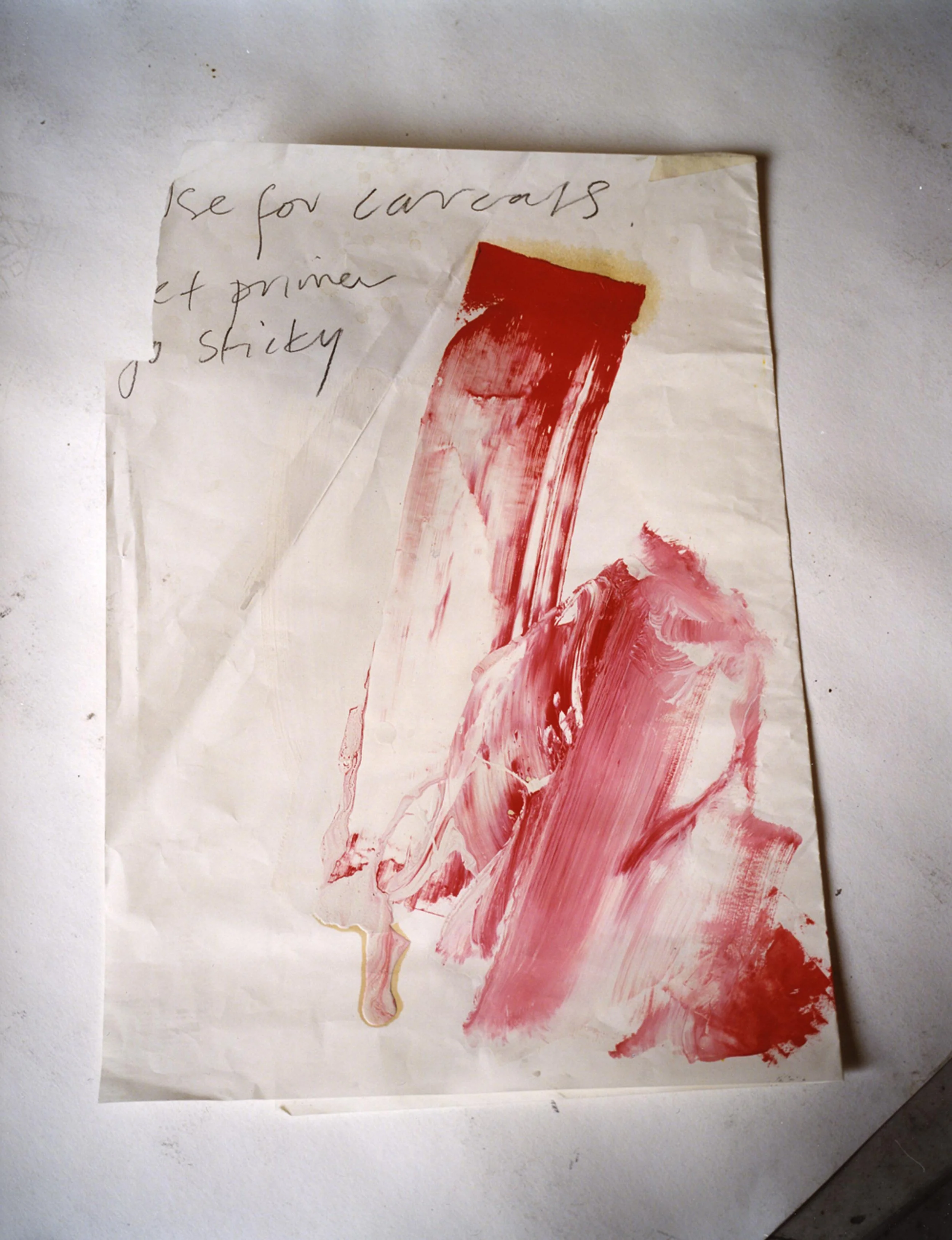
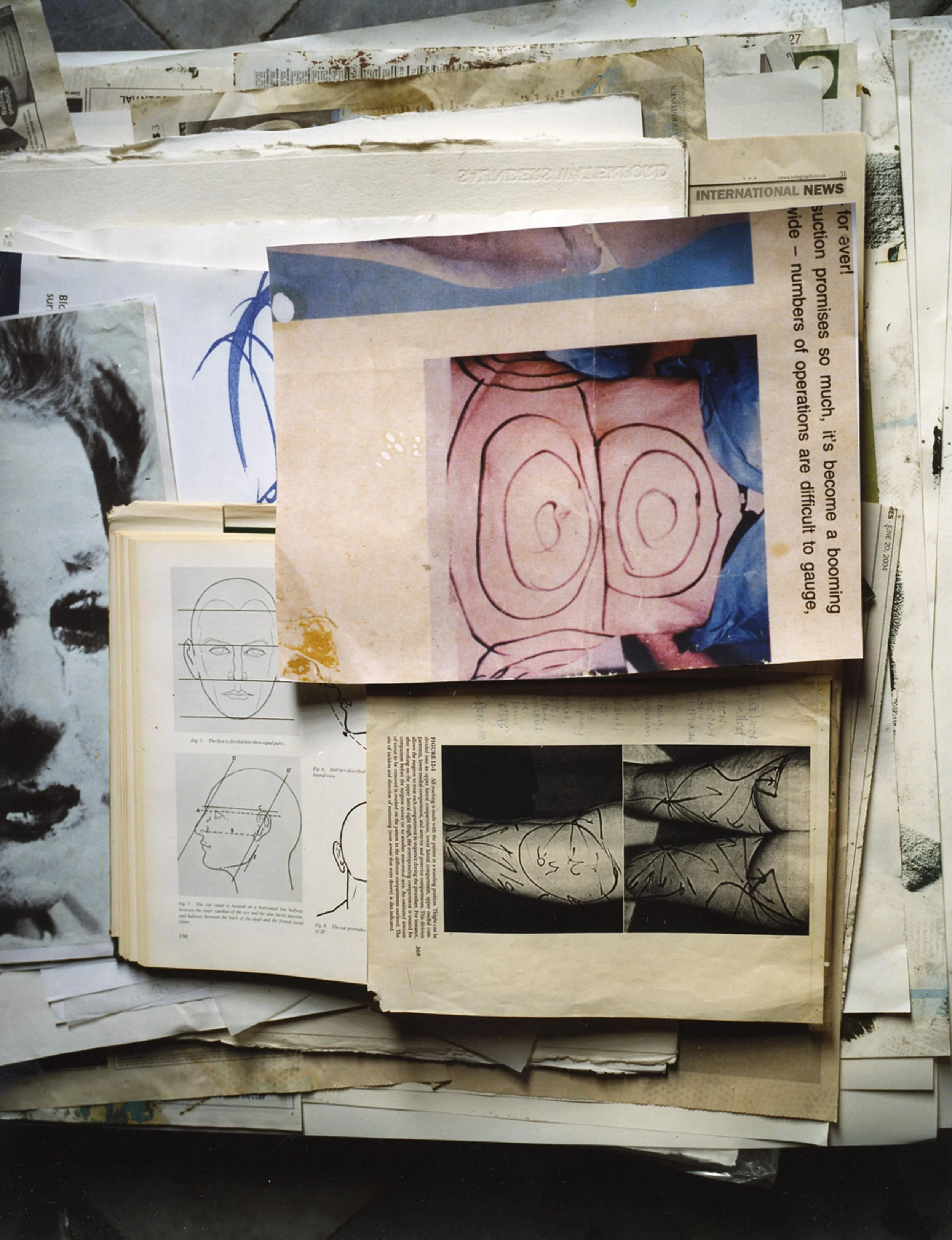
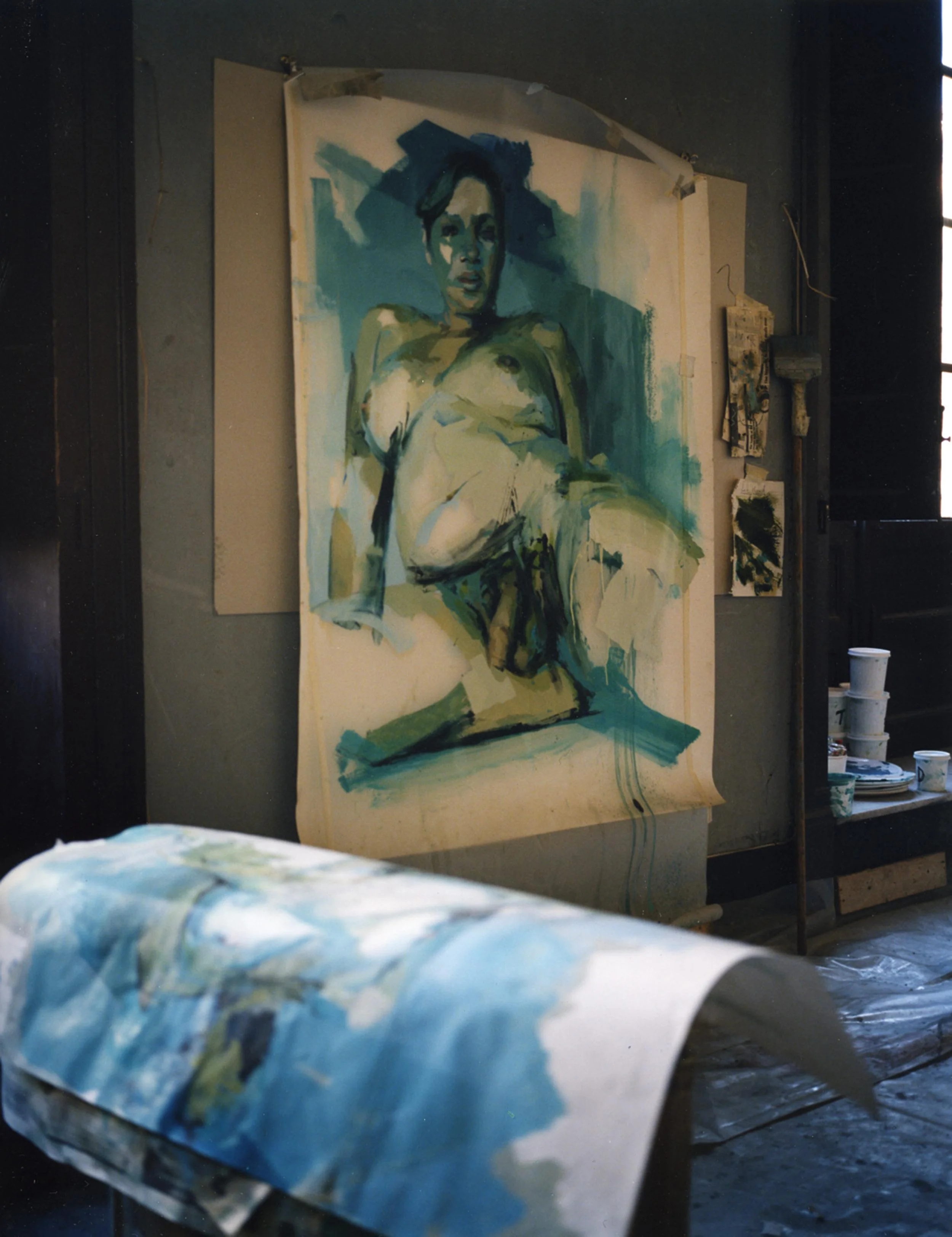
Tara was commissioned to go to Sicily to photograph paintings and notebooks in Jenny Saville’s studio for her first monograph published by Rizzoli. These details intersperse between Saville’s work and show an incredible insight into her influences and inspirations.
Designed by David James Associates
Publisher
Rizzoli
Year
2005
Delaine Le Bas: Room
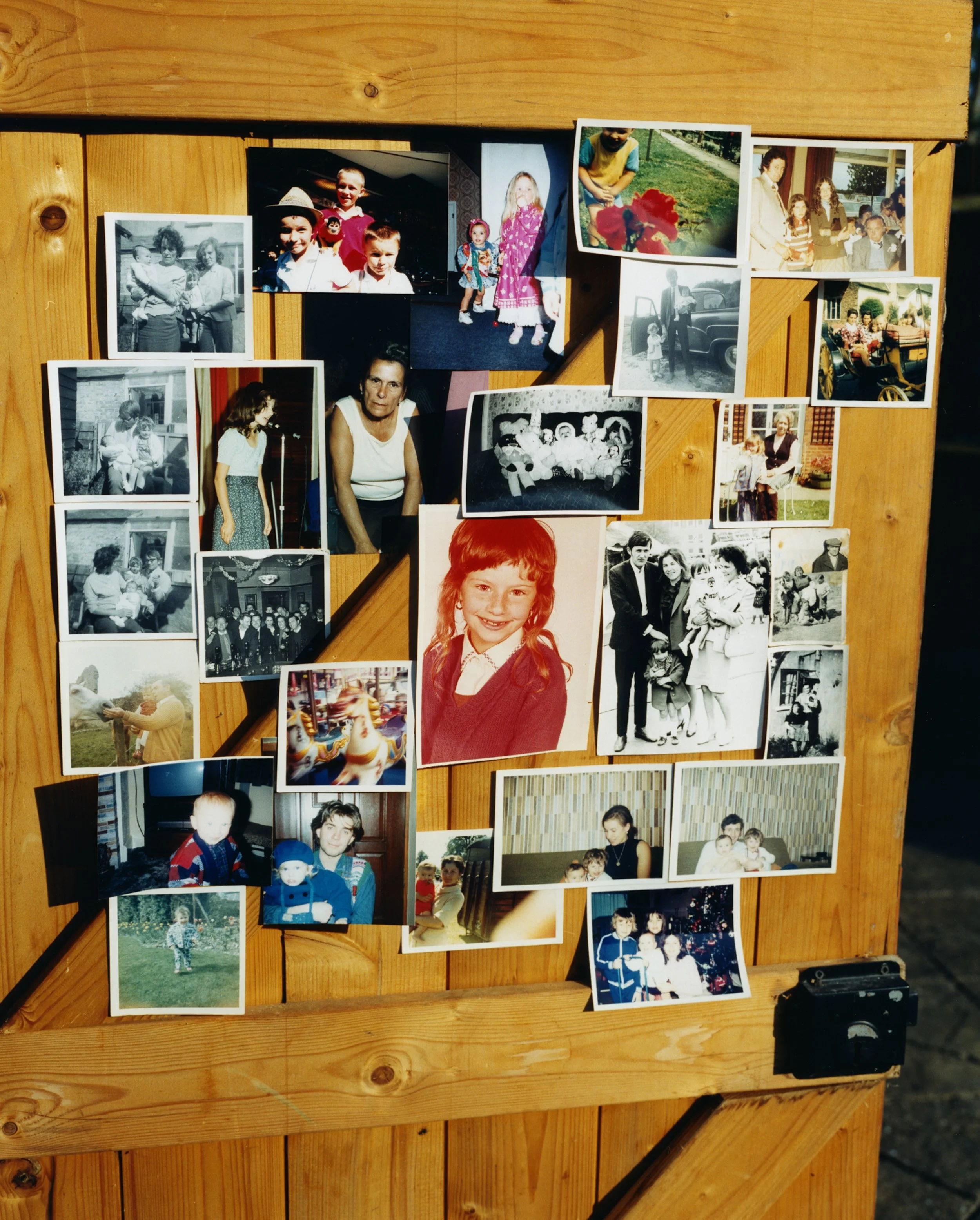
As part of the Room project, Transition commissioned photographer Tara Darby to document Delaine's life in Worthing during the period leading up to the show. These photographs and a series of letters written by Delaine to the artist Alex Michon are included in the publication along with written essays by Colin Rhodes and Alex Michon.
The Room publication contains 40 pages of photographs and 32 pages of text. Its soft cover and exposed binding add to its unique raw aesthetic.
Designed by David James Associates
Publisher
Transition Editions
Year
2005